A repaired wall can look perfect on Monday and show a yellow stain again after the next heavy rain. A cabinet door may stick once more when humid weather returns. These repeat problems are frustrating, but they often point to a cause that was never fully addressed. The key question is: why does home damage keep reappearing after repair? A patch can cover a crack, while movement beneath the surface continues. Fresh paint can hide moisture, but it cannot stop a leaking pipe or roof joint.
In homes across China, conditions vary widely. Coastal humidity, seasonal downpours, temperature changes, aging plumbing, and construction details can all affect how repairs hold up. The same symptom may have different causes in different buildings. A recurring ceiling mark, for example, might come from a roof, an upstairs bathroom, or a pipe inside the wall. Guessing can waste money. So can repeating the same quick fix.
A reliable repair starts with careful inspection, not just a new layer of filler or paint. Note when the damage returns, photograph changes, and check nearby surfaces for dampness, odor, or fresh cracking. Small clues matter. When the source is unclear, a qualified repair professional can assess the area and explain what evidence supports the diagnosis. Even then, no inspection is perfect; hidden damage may only become visible later. That is worth remembering. Understanding the cause—and checking whether the repair lasts—can help homeowners choose a more durable solution.
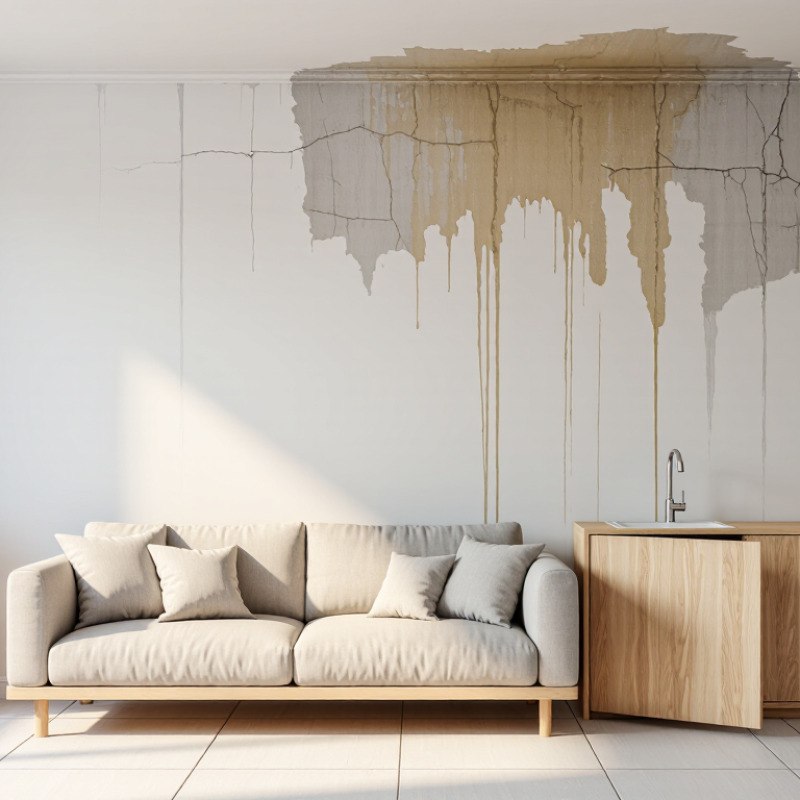
Common home repairs in China often begin with small, visible problems: a damp ceiling, cracked tile grout, a dripping tap, or a window that whistles on windy days. In apartment buildings, plumbing leaks may affect more than one room, while poor bathroom ventilation can leave dark patches around grout and paint. Door and window repairs address loose hinges, worn seals, and difficulty closing frames. These fixes improve comfort, but the mark on the wall may not reveal where water entered.
Recurring damage often means the repair treated the symptom, not its source. Fresh paint can hide a ceiling stain for a while, yet a slow leak above it may continue. Seasonal humidity and temperature changes can also stress sealant, plaster, and tile joints. Not always. A crack may be cosmetic, but widening cracks or repeated dampness deserve a closer inspection. Photos taken before and after repairs can help track changes.
A careful repair starts with checking nearby pipes, exterior joints, drainage, and ventilation, rather than covering the damaged surface immediately. For persistent leaks, a qualified technician can test the likely source and explain what needs opening or replacement. I used to think a neat finish meant a lasting repair; it does not. Sometimes the less attractive step—waiting for a surface to dry and checking it again—prevents another quick patch. Small clues matter.
| Common Repair | Problem It Addresses | Why the Damage May Return | More Durable Approach | When to Act |
|---|---|---|---|---|
| Bathroom or balcony waterproofing | Water seeping through floors, walls, or ceilings, often affecting rooms below or next door. | A surface patch may not fix a failed waterproof layer, leaking pipe, floor drain connection, or poorly sealed joint. | Identify the leak source first; inspect the waterproof layer, drain, and pipe connections. Test the repaired area before restoring tiles or finishes. | Promptly, especially if water is reaching another room or apartment. |
| Wall and ceiling crack repair | Visible cracks in plaster, paint, or drywall-like interior finishes. | Filling and repainting alone may not last if the crack is caused by ongoing movement, moisture, or a loose finish layer. | Check whether the crack is stable and dry, remove loose material, use a suitable repair method, and correct any underlying moisture issue. | Monitor small stable cracks; seek an inspection for widening, recurring, or stair-step cracks. |
| Roof and exterior leak repair | Rainwater entering through roofs, exterior walls, windows, or joints. | Water can travel away from the entry point, so sealing the visible stain may leave the actual gap or damaged flashing untreated. | Trace the water path, inspect roof drainage and exterior joints, and repair the entry point with materials suited to the surface and exposure. | As soon as a leak is found; repeated wetting can damage finishes and encourage mold growth. |
| Window and door sealing | Drafts, rainwater around frames, noise, or difficulty closing doors and windows. | Worn seals may be replaced without correcting frame movement, blocked drainage channels, or gaps between the frame and wall. | Inspect the frame alignment, weather seals, drainage openings, and frame-to-wall joint; replace damaged parts and reseal as needed. | Before periods of heavy rain or cold weather, and whenever water enters around a frame. |
| Pipe and faucet leak repair | Dripping taps, damp cabinets, wet floors, or water stains near plumbing. | Replacing a washer or tightening a fitting may not resolve corrosion, a damaged pipe, excessive pressure, or a loose connection. | Locate the leak precisely, inspect nearby fittings and pipe sections, and replace worn or damaged components rather than repeatedly tightening them. | Promptly; shut off the relevant water supply if a leak is active or worsening. |
| Drain blockage and slow-drain repair | Slow-flowing sinks, floor drains, or showers, sometimes accompanied by odors or backup. | Clearing a nearby clog may leave buildup farther down the pipe; recurring blockages can also indicate an unsuitable slope or pipe problem. | Remove the obstruction using an appropriate method, clean the affected drain, and investigate repeated blockages rather than relying on temporary clearing. | When drainage slows repeatedly or wastewater backs up. |
| Paint and plaster repair after dampness | Peeling paint, bubbling finishes, discoloration, or musty-smelling areas. | New paint can fail again if the wall has not dried or the source of moisture—such as a leak or condensation—remains. | Resolve the moisture source, allow the substrate to dry, remove unsound finish, and use a compatible primer and finish coating. | After the leak or moisture source is controlled; investigate persistent or extensive dampness. |
| Tile and grout repair | Loose tiles, cracked grout, or water passing through joints in wet areas. | Replacing grout alone may not fix movement, a poorly bonded tile, or failed waterproofing beneath the tile surface. | Check tile stability and the condition of the substrate; replace loose tiles properly and address waterproofing where water penetration is suspected. | Repair promptly if tiles are loose or water is reaching adjacent rooms. |
| Electrical outlet or switch repair | Loose fittings, intermittent power, buzzing, or signs of overheating. | Replacing a cover or fitting may not address a loose connection, damaged wiring, or an overloaded circuit. | Have the circuit and connections checked by a qualified electrician; use components appropriate for the circuit and local requirements. | Immediately for burning smells, sparks, heat, or repeated tripping; stop using the affected outlet. |
Note: Repair methods depend on the building, materials, and local conditions. Recurring damage usually calls for identifying the underlying cause—not simply repeating the visible surface repair.
Water may still enter near a roof edge or pipe joint. Paint can hide the mark, not the leak.
Look for peeling paint, a damp smell, soft drywall, or fresh marks after rain. Water leaves clues.
Inspect shutoff valves, pipe joints, and cabinet corners for slow drips. A small wet patch can spread.
Run the exhaust fan during showers and afterward. Check for cracked grout and loose caulk around the tub.
Stop if stains spread, wood feels soft, or cracks keep reopening. Another coat may only cover the problem.
Take dated photos before and after repairs. Note when marks appear, especially after rain or temperature changes.
Dampness beneath filler or paint can weaken the repair. I once trusted a neat finish too quickly.
Clear leaves from gutters and direct downspouts away from the foundation. It is easy to forget this.
Home repairs in China often address familiar problems such as leaking pipes, damp walls, cracked surfaces, faulty fixtures, and damaged floors. Yet a fresh coat of paint or a quick replacement may only hide visible signs of trouble. Understanding why does home damage keep reappearing after repair starts with looking beyond the damaged area. Moisture may come from a concealed leak or poor drainage, cracks may reflect movement or weakened materials, and recurring faults may point to an underlying installation or ventilation problem.
Before repairing, inspect the surrounding area, note when the damage occurs, and trace possible sources rather than treating the symptom alone. Effective repairs should correct the root cause, use suitable materials, and allow proper drying and preparation before surfaces are restored. Regular checks of plumbing, seals, ventilation, and exterior drainage can also catch small issues early. With careful diagnosis, lasting repair methods, and routine maintenance, homeowners can reduce repeat damage and avoid unnecessary work.

 Booka Tool