10 Common Reasons Home Electrical Sockets Stop Working?

Time:2026-07-10 Author:Charlotte
0%

Home electrical sockets play a vital role in our daily lives. They power everything from our appliances to chargers. However, there are times when they simply stop working. This can cause frustration and inconvenience. Understanding what causes home electrical sockets to stop working is essential for homeowners.

There are numerous reasons for socket failures. Common issues include tripped circuit breakers, faulty wiring, and burned-out outlets. A lack of regular maintenance can lead to undetected problems. Homeowners may overlook signs of wear and tear. This can create hazardous environments. Regular checks can prevent larger issues down the line.

Identifying the root cause is crucial. Sometimes, problems stem from a heavy load on the circuit. In other cases, age can play a significant role. As outlets age, their components deteriorate. Homeowners must remain vigilant. Awareness of changing circumstances can help in addressing these issues promptly. Ultimately, understanding and addressing these reasons can help keep your home safe and functional.
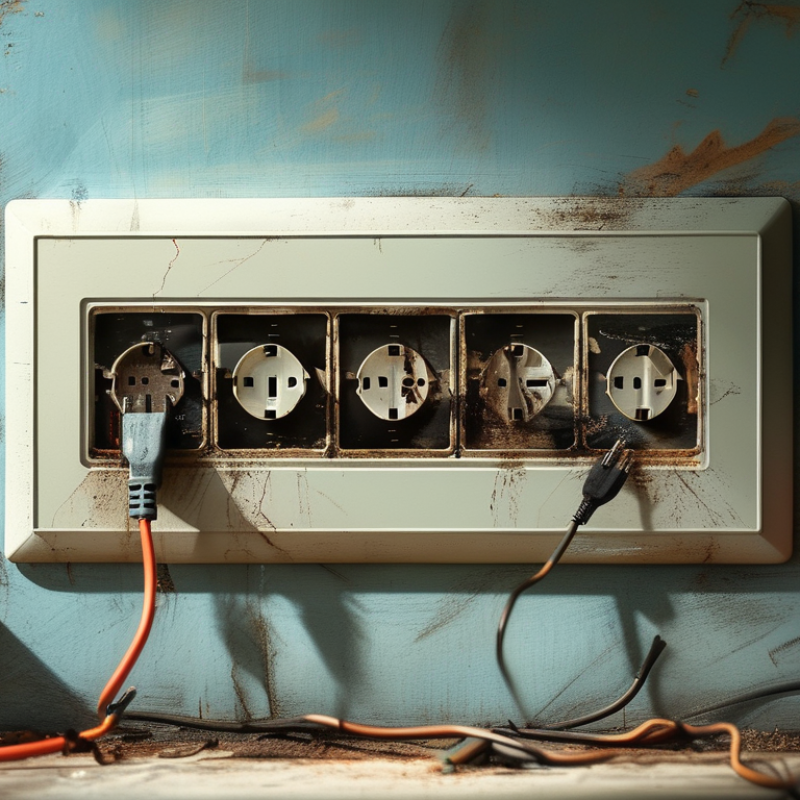
10 Common Reasons Home Electrical Sockets Stop Working?

Common Causes of Non-Functional Electrical Sockets

Home electrical sockets can stop functioning for various reasons. Understanding these causes is essential for homeowners. A 2021 report from the National Electrical Contractors Association (NECA) indicates that nearly 30% of electrical issues are due to faulty connections. Loose or damaged wiring is a prevalent issue. Over time, sockets can wear down. This wear can result in poor connections that lead to intermittent power loss.


Another common reason for non-functional sockets is tripped circuit breakers. According to the U.S. Consumer Product Safety Commission (CPSC), tripped breakers account for up to 20% of electrical outages in homes. Often, this occurs due to overloading a circuit. When too many devices are plugged into a single outlet, it can exceed the circuit's capacity. This leads to safety failures designed to protect your home.


Moreover, older homes may have outdated wiring systems. The Electrical Safety Foundation International (ESFI) notes that nearly 70% of homes built before 1980 have wiring that fails to meet current safety standards. This can create unsafe conditions. Homeowners should regularly inspect their electrical systems. It’s an often overlooked but crucial element of home safety. Addressing these issues before they escalate is vital.

Understanding Circuit Overloads and Their Impact on Sockets

Circuit overloads are a common issue affecting home electrical sockets. They occur when too many devices draw power from a single circuit. For example, plugging in several high-wattage appliances can exceed the circuit's capacity. This situation often leads to tripped circuit breakers. In some cases, it can even cause permanent damage to the sockets.

The impact of circuit overloads extends beyond inconvenience. Over time, overheating may degrade the wiring, creating fire hazards. Many homeowners overlook these risks until they face an emergency. It’s essential to monitor how many devices are used simultaneously. If there are frequent outages, consider redistributing appliances to different sockets.

Regular maintenance also plays a critical role in preventing overloads. Inspecting your home’s wiring is vital. Aging wires can contribute to electrical issues. Consulting an electrician can identify underlying problems. It’s always wise to prioritize safety over convenience when using electrical sockets. A small change can make a significant difference.

The Role of Tripped Circuit Breakers in Socket Failures

When electrical sockets stop working, it can be frustrating. One common culprit is a tripped circuit breaker. These small devices protect your home’s wiring from damage caused by overloads or short circuits. When a circuit breaker trips, it interrupts the flow of electricity, causing your sockets to fail.

To address a tripped circuit breaker, locate your electrical panel. Check for any switches that have moved to the "off" position. Resetting the breaker is often as simple as flipping the switch back on. However, if it trips again, try unplugging devices from the affected circuit. This can help identify if any appliance is causing the issue.

**Tips:** Always keep a flashlight near your electrical panel. A sudden power outage can leave you in the dark. Additionally, ensure your children understand that playing with electrical devices is dangerous. You might consider labeling your breakers for easy identification in case of future trips. Regular checks on your home’s electrical systems can prevent issues down the line. Familiarize yourself with the sounds your breakers make; unusual noises may signal problems.

10 Common Reasons Home Electrical Sockets Stop Working

Reason Description Typical Signs Recommended Action
Tripped Circuit Breaker The circuit breaker shuts off power due to an overload. Loss of power, flickering lights. Reset the breaker.
Damaged Wiring Wires may be frayed or damaged, leading to poor connections. Burning smell, sparks. Hire a professional electrician to repair.
Loose Connections Connections within the outlet may have come loose. Intermittent power, outlet feels warm. Check and tighten connections.
Overloaded Circuit Too many devices are drawing power from the same circuit. Unexpected shut-off of devices. Reduce the number of devices on the circuit.
Faulty Outlet The outlet itself may malfunction due to wear and tear. Outlet does not provide power. Replace the outlet.
GFCI Tripped Ground Fault Circuit Interrupters can trip if they detect a fault. Outlet reset button is popped out. Press the reset button.
Incorrect Voltage The outlet may receive incorrect voltage due to configuration errors. Devices may not operate correctly. Consult an electrician for testing.
Power Surge A sudden spike in voltage can damage outlets. Devices fail unexpectedly. Install a surge protector.
Age of the Wiring Older wiring may not handle modern electrical loads. Frequent circuit breaker trips. Consider upgrading the electrical system.

Identifying Faulty Wiring and Its Effects on Home Electrical Systems

Faulty wiring is a common issue that affects home electrical systems. According to the National Fire Protection Association, faulty wiring accounts for around 57% of electrical fires in homes. This statistic highlights the importance of identifying wiring problems early. Signs of faulty wiring can include frequently tripped breakers, flickering lights, or the smell of burning plastic near outlets.

Homeowners should be vigilant about these indicators. Moreover, outdated wiring systems are often a culprit. Many homes, particularly those built more than 30 years ago, may have aluminum wiring instead of copper. Aluminum is less conductive and more prone to deterioration. This can lead to increased risk of overheating, creating hazardous conditions.

Inadequate insulation around wires can also lead to problems. Wires may come into contact with moisture, leading to corrosion. A lack of professional inspections can exacerbate issues. Regular check-ups by qualified electricians can prevent major breakdowns. In fact, a report from the Electrical Safety Foundation International emphasizes that homes with periodic inspections are 80% less likely to experience electrical failures. Awareness and proactive measures can make a significant difference in maintaining safe electrical systems at home.

10 Common Reasons Home Electrical Sockets Stop Working

This chart illustrates the most common reasons electrical sockets stop working in homes. Understanding these issues can help homeowners identify and address electrical problems promptly.

Importance of Regular Maintenance for Home Electrical Outlets

Regular maintenance of home electrical outlets is crucial for safety and efficiency. Over time, wear and tear can lead to faults. Checking outlets for signs of damage can prevent larger issues. A loose connection may seem minor but could cause serious problems later.

Neglecting regular maintenance could lead to inconvenient outages. Sometimes, you may notice a socket that doesn’t work. It's easy to overlook the potential risks. Burn marks or buzzing noises are red flags. These issues should not be ignored. Calling a professional can alleviate concerns and ensure everything functions safely.

Understanding your electrical system is vital. Simple tasks like dusting outlets can help. Sometimes, outdated outlets may require replacement. Homeowners often underestimate the importance of this. Regular checks can save you from costly repairs. Prioritize your electrical system's health, and don’t wait for problems to arise.

FAQS

: What are common causes of non-functional electrical sockets?

: Common causes include faulty connections, loose wiring, or damaged parts. Age and wear can affect connectivity.

How often do tripped circuit breakers cause power loss?

Tripped breakers account for about 20% of outages. Overloading a circuit often causes this issue.

Why should I inspect my electrical systems regularly?

Regular inspections can prevent unsafe conditions. Many older homes have outdated systems that may not meet safety standards.

What signs indicate faulty wiring in my home?

Signs can include tripped breakers, flickering lights, or a burning smell near outlets. Be vigilant about these indicators.

Why is aluminum wiring a concern?

Aluminum wiring is less conductive and prone to deterioration. This increases the risk of overheating and hazards.

How does insulation affect wiring safety?

Inadequate insulation can lead to moisture exposure. This may cause corrosion, which can significantly undermine safety.

How can professional inspections help my home's wiring?

Regular inspections reduce the likelihood of failures by 80%. Qualified electricians can spot issues early and prevent breakdowns.

Are older homes at greater risk for electrical problems?

Yes, homes built over 30 years ago often have outdated wiring systems. These systems may pose significant safety risks.

Conclusion

Understanding what causes home electrical sockets to stop working is essential for every homeowner. Common issues include circuit overloads, which occur when too many devices draw power from the same outlet, leading to potential malfunctions. Tripped circuit breakers also play a significant role, as they cut off power to prevent damage but may inadvertently disable sockets when overloaded.

Moreover, faulty wiring can have detrimental effects on home electrical systems, resulting in intermittent or complete socket failures. Therefore, regular maintenance of electrical outlets is crucial to ensure safety and functionality. By addressing these common causes, homeowners can prevent disruptions in their electrical systems and maintain a safe living environment.

Charlotte

Charlotte

Charlotte is a seasoned marketing professional with a deep understanding of the company's portfolio and a passion for elevating its presence in the market. With a keen eye for detail and a commitment to excellence, she ensures that our professional blog is regularly updated with insightful articles......