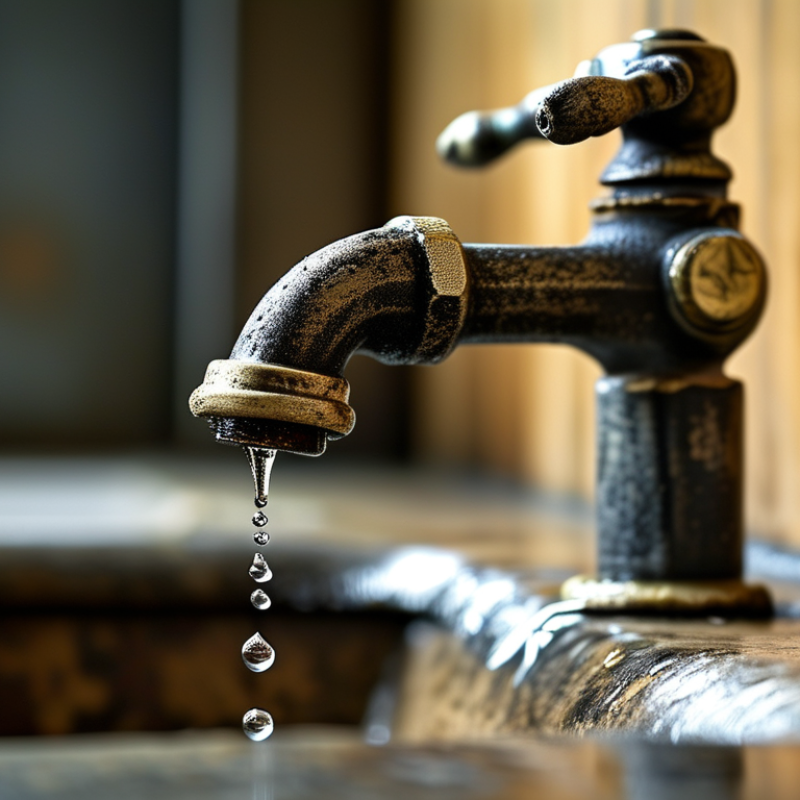
Constantly dripping faucets can be a source of frustration for many homeowners. Plumbing expert, John Smith, states, "A dripping faucet is not just annoying; it's a sign of underlying issues." His insights help us understand why it's crucial to address the problem promptly.
Many people wonder, "why is my faucet dripping constantly?" The answer often lies in worn-out washers or damaged seals. These components can deteriorate over time, leading to leaks. Each drip may seem small, but over days and weeks, this can waste significant water.
Ignoring a dripping faucet can lead to bigger problems. It may cause water damage to your sink and increase your water bill. Understanding the source of the drip helps in finding the right solution. By focusing on repairs early, you can ensure your plumbing remains efficient.
Understanding the Causes of Faucet Dripping: Key Insights
A dripping faucet can be more than just an annoyance. Understanding the causes helps address the issue effectively. Common reasons include worn-out washers, loose parts, or corroded components. A pebble stuck in the aerator can also contribute to leaks. These small culprits can lead to continuous dripping, increasing water wastage.
Inspecting your faucet is crucial. Sometimes, the fix is simple. Replacing a washer or tightening a screw often solves the problem. However, other issues may require a more in-depth look. Corrosion can damage parts beyond simple repair. Ignoring these problems can lead to bigger issues down the line, including costly water bills.
It’s essential to reflect on your faucet's condition regularly. Not all problems are straightforward, and some may require professional help. Seeking expert advice ensures repairs are done correctly. A well-maintained faucet not only saves water but also prolongs the life of your plumbing system.
Common Faucet Types and Their Susceptibility to Leaks
When dealing with a dripping faucet, understanding the common types can help identify the problem. Compression faucets are among the most traditional designs. They often leak due to worn rubber washers. Over time, these washers lose their elasticity. Once they fail, they can’t create a proper seal. Regular inspection can prevent persistent drips.
Ball faucets are another popular option. These faucets have a more complex structure. They rely on a cam and ball mechanism. If the ball or rubber seals wear out, water may leak. The intricate parts might be hard to assess. Regular maintenance is key to keeping them functioning well.
Cartridge faucets combine features of both types. They have a cartridge that controls the flow and temperature. If the cartridge wears out, it can lead to leaks, too. Unlike compression faucets, changing out a cartridge can be a bit straightforward. However, finding the right replacement is not always easy. Some homeowners get confused during the repair process. Addressing these issues promptly can save time and resources.
Common Faucet Types and Their Susceptibility to Leaks
Step-by-Step Guide to Diagnose a Dripping Faucet
Diagnosing a dripping faucet can be a frustrating task. Begin by turning off the water supply. This will prevent any unexpected water flow while you investigate the issue. Look closely at the faucet to check for visible leaks or corrosion. These signs often indicate wear and tear that can lead to dripping.
Next, disassemble the faucet. Use the right tools to avoid damage. Pay careful attention to the order of the components as you remove them. Look for worn washers or O-rings. These are common culprits behind leaks. If you notice any cracks or fraying, consider replacing them. It’s a small detail that makes a big difference.
Reassemble the faucet carefully, ensuring everything fits snugly. Afterward, turn the water supply back on and test the faucet. Is it still dripping? If so, you may need to revisit each step. Sometimes, a simple oversight can lead to continued issues. Don't rush; take your time to ensure accuracy.
Tools and Materials Needed for Faucet Repair
When tackling a constantly dripping faucet, having the right tools and materials is essential. Start with a standard screwdriver, which helps remove the faucet handle. A pair of pliers is useful for gripping and turning tough parts. A wrench, particularly an adjustable one, allows for better torque on fittings and nuts. Additionally, consider using a basin wrench, which can reach tight spots.
You'll need replacement parts like washers, O-rings, or cartridge kits specific to your faucet type. A small bucket can catch water during repairs, preventing a mess. Having plumber's tape on hand helps seal connections. Lastly, a flashlight improves visibility in dark spaces under the sink.
While gathering tools, reflect on your DIY skills. Repairs sometimes lead to complications. Perhaps a part breaks, or you might lose a small screw. Assess your level of confidence in fixing plumbing issues. Mistakes can happen, so be ready for challenges. It’s best to acknowledge when to call a professional if the problem becomes overwhelming.
Expert Tips for Preventing Future Faucet Leaks and Drips
Faucet leaks can be a significant inconvenience. An estimated 10% of homes have leaks that waste nearly 90 gallons of water daily. Addressing these leaks early can save both water and money. The first step is understanding common causes of drips. Often, a malfunctioning washer or O-ring is to blame. Over time, these components wear out and lose their ability to create a watertight seal.
To prevent future leaks, consider these tips: Regularly inspect your faucets for signs of wear. Look for corrosion or mineral buildup. Even minor issues can become major problems over time. Ensure that all fittings are tightened but avoid overtightening, which can lead to damage. If you notice constant drips, don’t delay repairs. Data shows that unresolved leaks can lead to increased water bills and damage to your home.
Educating yourself about faucet maintenance is key. Employing proper techniques and tools can extend the life of your faucets. Keeping spare parts available can help with quick fixes. Though DIY repairs can seem daunting, many homeowners find success with a little effort and patience. Taking proactive steps today can prevent significant headaches tomorrow.
FAQS
: Common causes include worn rubber washers and seals. These parts lose elasticity over time.
Regular inspection and maintenance of components can prevent persistent drips. Address issues promptly.
Compression faucets are traditional designs that often leak due to worn rubber washers. They require careful inspection.
Ball faucets use a cam and ball mechanism. Leaks occur when the ball or seals wear out.
Important tools include a screwdriver, pliers, wrench, and basin wrench. These aid in handling parts.
Replacing a cartridge can be straightforward, but identifying the right replacement might be difficult.
Reflect on your DIY skills and confidence. Repairs can lead to complications, so be prepared.
A flashlight improves visibility in dark spaces under the sink, aiding the repair process.
Losing a small screw or part can happen. It’s essential to stay organized and calm.
Consider calling a professional if the problem escalates or becomes overwhelming during DIY attempts.
Conclusion
In the article "2026 How to Fix a Faucet Dripping Constantly?", we delve into the common question, "why is my faucet dripping constantly?" Understanding the underlying causes is essential for effectively diagnosing and repairing leaks. Various faucet types have different susceptibility to leaks, which can stem from worn-out washers, corroded valve seats, or loose connections.
The article provides a step-by-step guide to help homeowners identify and address the issue, along with a comprehensive list of tools and materials needed for the repair. Additionally, expert tips are shared to assist in preventing future leaks and drips, ensuring a more efficient plumbing system. By following these guidelines, you can stop the incessant dripping and save water, ultimately enhancing your home’s comfort and functionality.

 Booka Tool