How to Fix Loose Screws in Furniture for Stronger Stability?

Time:2026-08-24 Author:Henry
0%

Loose screws in furniture can lead to instability and safety hazards. According to a 2022 report by the American Furniture Manufacturers Association, 85% of furniture failures are due to loose connections. This statistic highlights the importance of understanding how to fix loose screws in furniture effectively. Expert craftsman John H. Thompson states, “Timely repairs can extend the life of your furniture and ensure safety.”

Addressing loose screws starts with identifying the problem. Inspect chairs, tables, and shelves regularly. Most often, screws loosen due to frequent use or changes in humidity. In fact, even the best furniture can suffer over time. Simple tools can help, yet achieving optimal strength requires technique.

Repairing loose screws might seem straightforward, but it can be tricky. Utilizing wood glue along with screws might improve the hold. Remember, not all fixes are permanent. Evaluate your efforts regularly. Reflecting on your repair strategy can optimize future results. Understanding how to fix loose screws in furniture not only enhances stability but also promotes longevity.
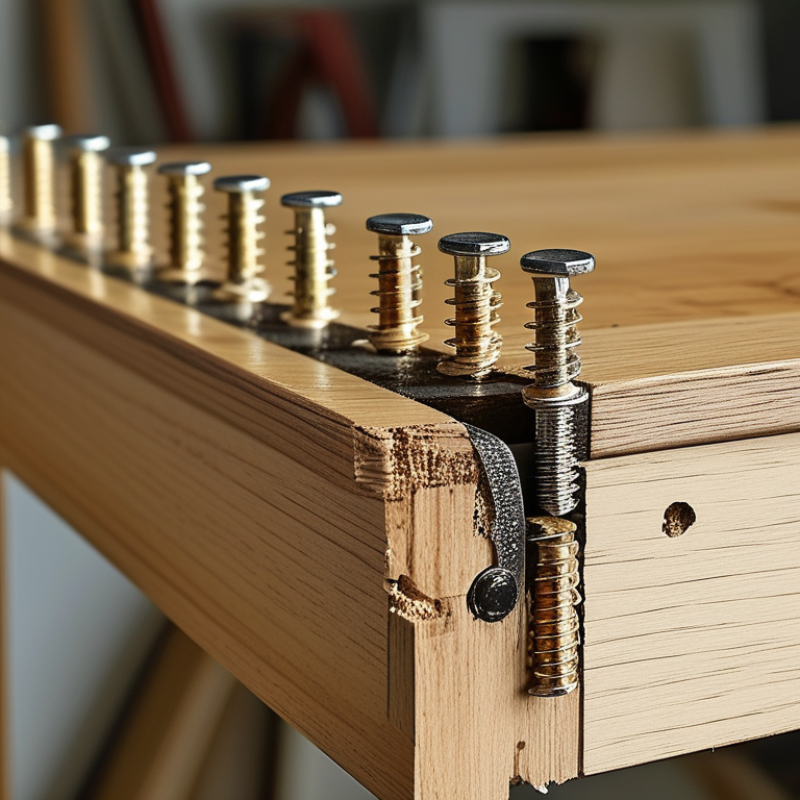
How to Fix Loose Screws in Furniture for Stronger Stability?

Identifying Loose Screws in Your Furniture for Inspection

Identifying loose screws in furniture is essential for maintaining its stability. Regular inspections can help prevent future issues. Start by gently shaking the piece of furniture. If you notice any wobbling, it’s a sign of a problem. Pay attention to chairs and tables, as they are more prone to wear.

Next, visually inspect each joint and connection. Look for gaps between the wood and screw heads. A loose screw may be partially sticking out or appear rusted. Sometimes, the screw may not be visible, especially if it's hidden in a corner. If you hear any creaking noises when using the furniture, it’s time to investigate further. These sounds often indicate loose screws that need tightening.

Using a simple screwdriver, you can check for tightness. Turn the screws gently to see if they move. If they do, it’s a cue for you to secure them. Be cautious; overtightening may damage the wood. It’s a balancing act. If you find a screw won’t tighten, the hole might be stripped, requiring a more careful approach. Always remember to check frequently. Identifying loose screws early can provide longer-lasting solutions for your furniture.

How to Fix Loose Screws in Furniture for Stronger Stability?

Furniture Type Common Loose Screw Locations Recommended Fix Frequency of Inspection
Dining Table Table legs and supports Tighten screws or replace with longer screws Every 6 months
Chair Seat and leg connections Use wood glue on loose joints and tighten screws Every 3 months
Bookshelf Shelf brackets and back panel Reinforce with additional screws or brackets Annually
Bed Frame Side rails and center support Check and tighten all screws, consider locking mechanisms Every 4 months
Cabinet Hinges and drawer slides Lubricate hinges and tighten all screws Every 6 months

Gathering Necessary Tools for Fixing Loose Screws

When tackling loose screws in furniture, having the right tools is essential. You will need a screwdriver set that accommodates various screw types. A power drill can be helpful for larger or wooden screws. Ensure that you have wood glue and wood filler handy. According to a recent survey by the Home Improvement Research Institute, over 70% of homeowners face furniture stability issues due to loose screws, emphasizing the importance of proper tools.

Additionally, consider investing in a torque wrench. This can ensure screws are tightened to the correct specifications without over-tightening. The National Hardware Association reports that 40% of furniture repairs stem from improper assembly, highlighting the need for appropriate tools. A simple tool like a level can also aid in assessing the stability of your furniture before and after repairs.

Don’t overlook maintenance. Regularly check screws and joints for signs of wear. Even minor imperfections can lead to bigger issues down the line. It's important to take a moment to inspect your furniture every few months. Authentic repairs require both the right tools and an honest appraisal of current conditions. A successful fix isn’t just about tightening; it’s about understanding furniture dynamics.

Techniques for Tightening Screws Without Damage

Loose screws can compromise the stability of your furniture. To address this issue, you should use effective techniques that minimize damage. First, identify loose screws by gently testing each joint. If any screws spin without resistance, they need attention.

When tightening screws, use a screwdriver that fits snugly. A loose fit can strip the screw head. If screws are stripped, consider using wood filler or a toothpick in the hole, then reinsert the screw. This method provides a tighter grip, enhancing overall stability.

Apply pressure but avoid overtightening. Excessive force can break wood or damage the screw. Regularly check your furniture after these adjustments. Look for any shifts or new signs of instability. Remember, consistent maintenance will prolong the life of your furniture.

Using Wood Fillers and Glue for Enhanced Stability

Furniture stability is essential for longevity, and loose screws often compromise it. To reinforce the joints, wood fillers and glue can be invaluable. Start by assessing the area around the loose screw. Remove the screw fully and clean the hole from any debris. This step is vital for proper adhesion.

Next, apply wood filler to the hole. Ensure even distribution, filling in any gaps. Choose a filler that matches your furniture’s color. After it dries, sand the surface smooth. This preparation allows for better screw insertion later.

Once the filler is ready, use a strong wood glue on the screw. This combination strengthens the joint significantly. Insert the screw carefully to avoid stripping the wood. Apply consistent pressure while tightening. If you notice the screw slipping again, reflect on the amount of filler used or the screw size. Adjusting these components can enhance overall stability. Regular checks will help maintain your furniture's integrity.

Effectiveness of Methods to Fix Loose Screws in Furniture

Regular Maintenance Tips to Prevent Future Loose Screws

Regular maintenance is crucial for furniture longevity. Inspect your furniture every few months. Pay special attention to screws and joints. Loose screws can compromise stability and safety. If you notice movement or creaking sounds, it’s time to act.


To prevent screws from loosening, use wood glue on the threads. This can help hold them securely in place. Additionally, tighten screws gently but firmly. Over-tightening can lead to damage. Rotating furniture pieces every now and then can also help distribute weight evenly.


Remember, even well-maintained furniture may need occasional adjustments. Don’t overlook minor issues. Taking time to address them can save you from more significant repairs later. Engaging in regular checks is an investment in your furniture's future stability.

FAQS

: How can I identify loose screws in my furniture?

: Gently shake the furniture. Wobbling indicates a problem.

What should I visually inspect when checking for loose screws?

Look for gaps between wood and screw heads. Note rusted or partially visible screws.

What sounds suggest I need to check for loose screws?

Creaking noises when using furniture often indicate loose screws.

How can I check the tightness of screws?

Use a screwdriver. Turn gently to see if screws move.

What should I avoid when tightening screws?

Overtightening can damage the wood. Aim for balance.

What should I do if a screw won't tighten?

The hole might be stripped. You need a careful approach.

How can I reinforce loose screws for better stability?

Use wood fillers and glue to strengthen the joints.

What is the first step when reinforcing a loose screw?

Remove the screw and clean the hole from any debris.

How do I apply wood filler properly?

Fill the hole evenly, ensuring it matches your furniture's color.

What can I do if a screw keeps slipping after reinforcement?

Reflect on the fillers used or the screw size for adjustments.

Conclusion

In addressing the question of how to fix loose screws in furniture, it's essential to first inspect your furniture for any indications of instability. Identifying loose screws allows you to effectively plan your repair. Gathering necessary tools such as screwdrivers, wood fillers, and glue is crucial for this task.

Techniques for tightening screws without causing damage, such as using the correct screwdriver size and applying appropriate torque, can help maintain the integrity of the furniture. Additionally, for enhanced stability, consider using wood fillers and glue to secure any stripped screws. Regular maintenance, including periodic inspections and tightening of screws, can help prevent the recurrence of loose screws, ensuring your furniture remains strong and stable over time.

Henry

Henry

Henry is a dedicated marketing professional with a profound expertise in the company's offerings. With years of experience in the industry, he possesses an impressive understanding of the market dynamics and consumer behaviors that drive success. Henry is committed to sharing his insights through......