Uneven furniture is a common issue in many homes. It can cause discomfort and disrupt the aesthetics of your space. Knowing how to fix uneven furniture at home is essential for creating a balanced and inviting environment. Whether your chair wobbles or your table tilts, small adjustments can make a significant difference.
Many factors contribute to this problem. Floors may be uneven, or furniture legs might be damaged or different lengths. Identifying the cause is the first step to solving it. You might need simple tools or materials found around the house. Using furniture pads or adjusting leg heights can lead to quick fixes.
Remember, perfection is challenging to achieve. Sometimes, small imperfections can add character to your home. Embrace the quirks of your furniture while ensuring stability. This balance protects your investment and enhances comfort. Mastering how to fix uneven furniture at home empowers you to enjoy your living space fully.
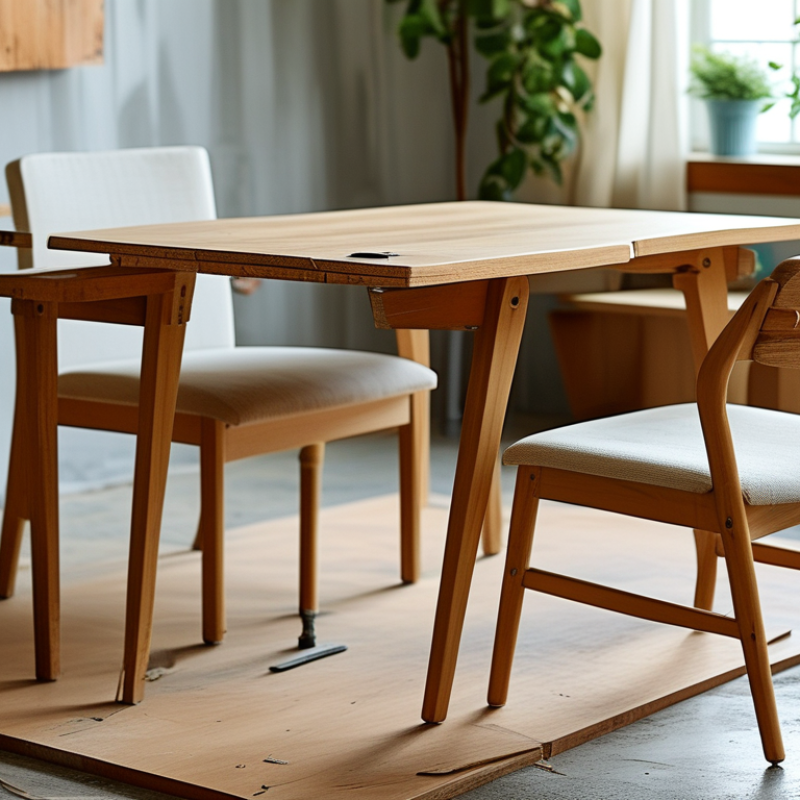
Uneven furniture at home can be frustrating. Identifying its causes is essential for an effective fix. A study by the National Institute of Standards and Technology found that over 40% of homeowners experience furniture unevenness due to flooring issues. The floors in many homes are rarely perfectly level, especially in older buildings. Variations in the foundation can lead to significant discrepancies.
Another common cause is the furniture's own construction. A report from the American Home Furnishings Alliance states that about 30% of furniture pieces exhibit manufacturing flaws. Poor assembly or cheap materials can result in wobbly legs or misaligned components. Inspecting your furniture closely for these defects can highlight issues that need addressing.
In addition, environmental factors play a role. Humidity levels can warp wooden furniture. A survey conducted by the Furniture and Woodworking Journal revealed that high humidity can lead to a 15% increase in uneven surfaces. Adjusting the environment in your home may help combat this issue. Consider using a dehumidifier in damp areas to maintain stable conditions. Being aware of these causes can guide you in fixing uneven furniture effectively while ensuring a more comfortable living space.
When tackling uneven furniture, having the right tools and materials can make a significant difference. Start with a level. This tool ensures that you identify which legs of your furniture are taller or shorter. A simple wood block can also serve as a quick fix. Cut it to the needed height, and place it under the short leg. If you’re feeling ambitious, consider using adjustable furniture feet. They offer a permanent solution for uneven surfaces.
For stabilization, wood shims are essential. They are simple wedges that fit beneath furniture legs. Shims are inexpensive and easy to work with. If your furniture is unstable due to loose joints, a wood glue can help reattach parts securely. A clamp can hold everything in place as the glue dries. It's crucial to allow sufficient drying time for optimal strength.
Another tool worth mentioning is a rubber furniture pad. These pads absorb shock and reduce slippage. While applying these fixes, reflect on how the furniture is used. Some solutions may not be perfect. Uneven floors can complicate things, and sometimes, perfection isn’t necessary. Each approach has its merits and challenges. Work with what you have, and identify areas for improvement.
| Tool/Material | Purpose | Usage Instructions |
|---|---|---|
| Wood Shims | Leveling furniture on uneven floors | Insert shims under the legs of the furniture until it is level. |
| Adjustable Furniture Feet | Height adjustment for stability | Screw or adjust the feet to raise or lower the furniture. |
| Bubble Level | Ensure furniture is level | Place the level on top of the furniture to check for evenness. |
| Furniture Pads | Prevent scratching and provide stability | Attach pads to the bottom of furniture legs. |
| Wood Glue | Repair broken or loose joints | Apply glue to joints and clamp until set. |
Uneven furniture can disrupt your home’s aesthetics and comfort. Fortunately, leveling it isn't difficult. Follow this step-by-step guide for effective solutions.
Begin by identifying the uneven piece of furniture. A simple way to check is by using a level. Place it on the surface of the furniture. If it indicates a tilt, note the area that needs adjustment. Measure the height difference between the legs. This informs your leveling strategy.
Tips for quick fixes: Use coasters or cardboard as temporary solutions. Cut them to the desired height and place them under the shorter legs. For a more permanent solution, consider adjusting the screw-in legs if applicable. Tightening or loosening these can help achieve balance.
Another method is using furniture risers. These can support uneven legs and improve stability. Test the furniture by placing weight on it once leveled. This helps ensure it holds up to daily use.
Remember, every adjustment may not be perfect the first time. Take your time to assess and readjust as necessary. Your efforts will create a more inviting space in your home.
Uneven floors can be a real challenge for homeowners. Furniture wobbles, causing frustration and discomfort. Fortunately, there are creative solutions to stabilize your furniture on these tricky surfaces. One effective method is using simple wooden shims. You can slip these under the legs of your table or chair to raise it slightly. This method is easy and cost-effective, making it a popular choice.
Consider experimenting with rubber pads as well. These pads adhere to the bottom of furniture legs and provide traction. They can help absorb shocks while improving stability. You might find it useful to adjust the number of pads used based on the degree of unevenness. Also, don’t hesitate to mix and match techniques. Using shims on one piece and pads on another can create a balanced aesthetic in your room.
Remember, it’s okay if your initial solutions don't completely solve the problem. Furniture may still shift slightly or feel off. Reflect on what works best in your space and be open to adjustments. Creating a stable environment takes time and practice. Take a step back and reassess your setup periodically. This honest approach can lead to improved comfort and functionality in your home.
Keeping furniture stable over time requires attention to detail. Uneven floors can lead to wobbly chairs and unsteady tables. To combat this, a few preventative measures can be implemented. Start by placing felt furniture pads under legs. This simple step improves balance and reduces floor scratches. Choose pads that fit your furniture size. Regularly check for wear and replace them as needed.
Humidity and temperature changes can also affect furniture stability. Wooden pieces may warp or shrink, resulting in uneven surfaces. Maintain a consistent indoor climate. Use a dehumidifier in damp areas and adjust heating in colder months. Regular maintenance is key. Check joints and screws every few months. Tightening loose screws can prevent further issues down the line.
Pay attention to your surroundings. A cluttered living space may lead to accidental bumps and misalignments. Rearranging furniture periodically can help you spot instability. Embrace imperfections. Sometimes, a slight wobble can remind you to appreciate the craftsmanship. A gentle touch may be all it takes to restore stability. Observing these practices offers a proactive approach to maintaining your home environment.
: Uneven furniture can be caused by flooring issues, manufacturing flaws, or environmental factors like humidity.
Use a level on the furniture surface. Check for any tilts to locate the uneven areas.
Essential tools include a level, wood blocks, wood shims, wood glue, and rubber furniture pads.
Yes, coasters or cardboard can act as quick fixes for shorter legs until a permanent solution is found.
Insert shims under unstable furniture legs. They are inexpensive and simple to work with.
Adjustable furniture feet or risers offer a lasting fix for uneven surfaces, improving stability.
High humidity can warp wooden furniture. This may increase unevenness significantly, making adjustments necessary.
It’s common for adjustments to require multiple attempts. Reflect on each fix and refine as needed.
After leveling, place weight on the furniture. This ensures it can withstand daily use.
Level furniture enhances comfort and aesthetics in your home, contributing to a more inviting atmosphere.
In "How to Fix Uneven Furniture at Home in 2026," the article outlines a comprehensive approach to addressing the common issue of wobbly or unstable furniture. It begins by helping readers identify the causes of uneven furniture, which can range from floor irregularities to damaged legs. The piece then lists essential tools and materials needed for stabilization, ensuring you are well-equipped for the task.
The heart of the article features a step-by-step guide to leveling uneven furniture, making the process straightforward for anyone, regardless of their DIY experience. Additionally, it presents creative solutions for stabilizing furniture on uneven floors, such as using adjustable pads or risers. Finally, to prolong furniture stability over time, it highlights preventative measures that homeowners can take, ultimately making it an invaluable resource for those seeking guidance on how to fix uneven furniture at home.

Booka Tool