Top Quick Emergency Home Repairs How to Fix Them?

Time:2026-10-13 Author:Sophia
0%

When a home emergency strikes, calm action can prevent a minor fault from becoming expensive damage. A burst pipe, leaking roof, failed toilet, or broken window needs attention within minutes. This guide explains how to do quick emergency home repairs with practical steps and realistic expectations. The goal is not to replace skilled tradespeople. It is to reduce immediate risks until qualified help arrives.

Start by identifying the danger. Turn off the main water valve when a pipe leaks. Switch off electricity only if the area is dry and the panel is safe to reach. Place a bucket beneath dripping water, and move furniture away from the affected area. For a broken window, wear thick gloves and keep children away from the glass. Small actions matter.

Use basic tools you can trust, including adjustable pliers, screwdrivers, towels, a flashlight, and temporary repair tape. Follow manufacturer instructions for sealants, valves, and electrical products. Never guess around exposed wiring or major structural damage. I have found that rushed repairs often create a second problem. A tape patch may slow a leak, but it rarely solves the cause. Take clear photos, note when the problem began, and contact a licensed professional when safety is uncertain. Quick help is useful. Safe help is better.
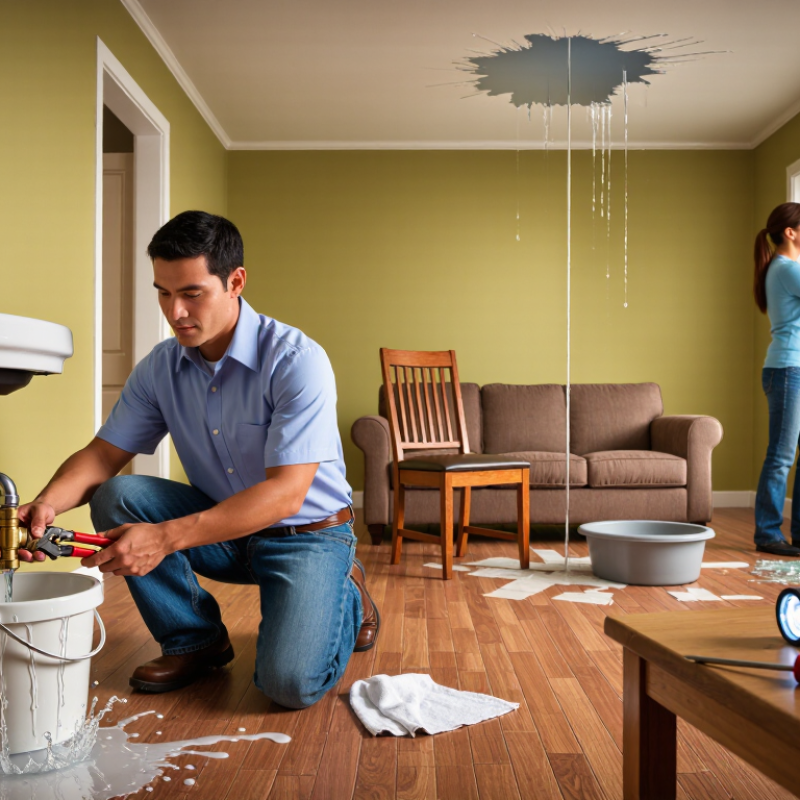
Top Quick Emergency Home Repairs How to Fix Them?

Identifying the Most Urgent Home Repair Problems

Top Quick Emergency Home Repairs: How to Fix Them?

Urgent repairs are identified by danger, damage speed, and loss of essential services. Water pouring from a ceiling, a burst pipe, or sewage backing up needs immediate attention. Shut off the nearest valve if you can reach it safely. Electrical smells, sparking outlets, and warm switch plates require power isolation at the main panel. Do not touch wet electrical equipment. Leave the area and call a qualified electrician. A gas odor is different. Leave immediately, avoid flames and switches, and contact emergency services from outside.

Structural warning signs deserve equal urgency. A sagging ceiling, widening foundation crack, or door that suddenly jams may signal movement. Keep people away from the affected room. Do not brace or demolish anything without professional advice. For small leaks, place a container beneath the drip and photograph the source. Then record when it started. These details help a plumber find hidden damage faster. Temporary repairs are not final repairs.

One mistake is treating visible damage as the whole problem. A dry wall can hide wet insulation, mold growth, or damaged wiring. I have learned that quick patching can create a second repair later. Check moisture with a meter when possible, and arrange an inspection after the emergency is controlled. If you feel rushed, stop. Safe decisions matter more than a perfect finish.

Stopping Water Leaks and Preventing Further Damage

Top Quick Emergency Home Repairs: How to Fix Them?

Stopping Water Leaks and Preventing Further Damage

Water travels. A small ceiling stain can hide a larger plumbing failure. Act quickly, but do not guess. Turn off the nearest fixture valve, then close the main water supply if the leak continues. Move furniture away from the wet area. Place a container beneath dripping pipes, and photograph the damage before cleaning. Keep water away from outlets, appliances, and exposed wiring. Call a qualified professional when water reaches electrical systems or structural materials.

The Environmental Protection Agency’s WaterSense program estimates that household leaks waste nearly 10,000 gallons of water yearly. It also reports that one in ten homes has leaks wasting at least 90 gallons daily. These figures make a loose supply line more than a minor nuisance. Drying matters too. Remove soaked rugs, open cabinets, and use fans only where electrical conditions are safe. Hidden moisture can encourage mold growth behind walls and beneath flooring.

The Insurance Information Institute reports that water damage and freezing caused about 29% of homeowners claims from 2017 to 2021. Its analysis lists an average claim cost above $12,000. A temporary patch may reduce dripping, but it cannot confirm the pipe’s condition. I have seen repairs fail because the visible leak was treated, while the damaged joint remained untouched. Check nearby ceilings, baseboards, and insulation again after several hours. If staining expands, water pressure changes, or a wall feels soft, stop the repair and request an inspection.

Top Quick Emergency Home Repairs: How to Fix Them? — Stopping Water Leaks and Preventing Further Damage

Leak Location Urgency Immediate Action Temporary Repair Materials Typical DIY Time When to Call a Professional Damage-Prevention Step
Flexible supply line under a sink High Close the local shutoff valve. If it does not stop the flow, shut off the main water supply. Replacement braided supply line and an adjustable wrench. 15–30 minutes The shutoff valve is stuck, the connection is corroded, or the leak continues after replacement. Check supply connections periodically and avoid overtightening threaded fittings.
Drain or trap beneath a sink Moderate Place a bucket below the trap and remove standing water from the cabinet. Replacement washer, slip-joint pliers, bucket, and cloth. 20–45 minutes The pipe is cracked, seized, severely corroded, or leaking inside the wall. Do not use excessive force on plastic nuts, and clean the trap before reconnecting it.
Toilet tank or bowl connection Moderate to High Turn off the toilet’s shutoff valve and dry the area to identify the source. Replacement washer or connector, adjustable wrench, and towels. 30–60 minutes The porcelain is cracked, the floor feels soft, or wastewater is escaping from the base. Keep the base dry and investigate rocking, which can damage the seal and flooring.
Water heater connection or relief valve High Turn off the water supply. For an electric unit, switch off the circuit; for a fuel-burning unit, follow the appliance shutdown instructions. Bucket, towels, and a wrench for accessible water connections only. 15–30 minutes for isolation The tank itself leaks, hot water is spraying, the relief valve discharges repeatedly, or fuel/electrical components are involved. Keep the area clear, inspect for corrosion, and test the shutoff valve periodically.
Burst or frozen water pipe Critical Shut off the main water supply, open a nearby faucet to relieve pressure, and remove water from affected areas. Bucket, towels, pipe repair clamp for a temporary measure, and protective gloves. 15–30 minutes for isolation The pipe is inside a wall, ceiling, or slab; multiple areas are affected; or the pipe has split extensively. Insulate exposed pipes, seal drafts, and keep indoor temperatures above freezing.
Roof or ceiling water stain High Place a container under the drip, move furniture, and avoid electrical fixtures or wet wiring. Container, towels, plastic sheeting, and temporary roof covering if safely accessible. 10–20 minutes for containment The roof is steep or unsafe, the ceiling is bulging, water is near wiring, or the source cannot be located. Inspect roofing, flashing, gutters, and attic ventilation at appropriate intervals.
Washing machine hose or drain overflow High Stop the cycle, close both water valves, unplug the appliance only if the area is dry, and contain the water. Replacement hoses, bucket, towels, and a drain-cleaning tool if appropriate. 20–40 minutes The wall valve leaks, the drain is blocked inside the wall, or electrical components have become wet. Replace aging hoses before they crack and leave clearance for routine inspections.
Exterior faucet or hose connection Moderate Close the interior shutoff valve if available and disconnect the hose. Replacement washer, adjustable wrench, and approved thread seal tape where suitable. 15–30 minutes Water leaks through the wall, the faucet cannot be shut off, or freeze damage is suspected. Disconnect hoses before freezing weather and protect exposed outdoor plumbing.

Safety note: Before working near electrical outlets, appliances, or wiring, switch off power at the relevant circuit only if it is safe to do so. Never enter flooded areas where electrical hazards may be present.

Restoring Power Safely During Common Electrical Failures

When power fails, stay calm and identify the pattern. Check whether one room, the whole home, or nearby homes are affected. If the outage is widespread, contact the electricity provider and keep refrigerator doors closed. Do not use candles near curtains or children. Battery lights are safer.

For one dead room, switch off appliances and inspect the electrical panel with dry hands. A tripped breaker may sit between positions. Move it fully off, then on once. If it trips again, stop. Repeated trips can signal overload, damaged wiring, or a faulty appliance. Never remove the panel cover or touch exposed wires. A licensed electrician should investigate. For a bathroom, kitchen, or outdoor outlet, press the reset button only when the area is dry and the outlet shows no damage. I have learned that rushing this step creates more risk than delay.

Tips: Unplug sensitive electronics before resetting power. Keep children away from the panel. Use a flashlight, not a phone held near wet surfaces. If you smell burning, hear buzzing, see smoke, or feel heat from an outlet, leave the circuit off and seek professional help immediately. Extension cords should not replace permanent wiring. I still find this easy to overlook during a stressful outage. Safety checks are simple, but they are not optional.

Restoring Power Safely During Common Electrical Failures

Typical household circuit breaker ratings can help identify the affected circuit before resetting power. Turn off and unplug damaged appliances first, and never reset a breaker repeatedly if it trips again.

Common lighting and receptacle circuits are often protected at 15–20 amps, while high-load appliances commonly use 30–50 amp circuits. Actual ratings vary by home wiring and local electrical codes. Call a qualified electrician for burning smells, sparks, water exposure, damaged wiring, or repeated breaker trips.

Fixing Broken Doors, Windows, Locks, and Security Issues

Top Quick Emergency Home Repairs: How to Fix Them?

A damaged door needs immediate attention, especially after forced entry or a broken hinge. Move children away and check everyone for injuries. If the frame still holds, close the door gently and use a temporary brace from inside. Do not force a jammed lock. A misaligned latch may worsen with pressure. I once tightened a loose hinge too quickly, and the door sagged further. That mistake taught me to inspect the frame before using tools. Call a qualified locksmith when the lock, frame, or security hardware is damaged.

Broken windows create sharp, hidden hazards. Wear thick gloves, closed shoes, and eye protection before approaching the glass. Keep people and pets in another room. Remove only loose fragments with controlled movements. Cover the opening with sturdy cardboard and thick plastic sheeting, then secure it without pressing against remaining glass. Do not treat this cover as a permanent repair. A trained glazier should replace the pane and check the frame for distortion.

Security problems can also come from lifted hinges, loose strike plates, or damaged window catches. Check each entry point in daylight, if possible. Photograph the damage before repairs, and keep a written record of temporary measures. Test a repaired door several times without slamming it. Small gaps matter. If you notice forced-entry marks, avoid disturbing the area and contact local emergency services when anyone may still face danger.

Handling Heating, Cooling, and Essential Appliance Emergencies

Top Quick Emergency Home Repairs: How to Fix Them?

Heating, cooling, and essential appliances can fail without warning. In emergency callouts, the safest repair often begins with stopping the danger, not restoring comfort. Turn off power at the breaker before inspecting a heater, oven, or washing machine. If you smell gas, leave immediately and contact emergency services or a licensed professional. Do not test switches or create sparks.

For a heating failure, check the thermostat setting, visible power supply, and filter. A clogged filter can restrict airflow and strain the system. Never remove sealed panels or bypass safety controls.

During cooling problems, clear leaves from the outdoor unit and confirm that indoor vents remain open. Water around the indoor unit may indicate a blocked drain, not a harmless spill. I have seen rushed cleaning attempts push debris deeper into the line.

Tips: Keep towels, a flashlight, spare filters, and a basic voltage tester nearby. Label the main shutoff switches. Take clear photos before disconnecting anything. This can help a technician diagnose the fault faster. For refrigerators, keep doors closed during a power interruption. Move medicines or perishable food when temperatures rise.

A strange burning smell, repeated breaker trips, smoke, or unusual noise requires professional inspection. Temporary fixes can feel successful, but they may hide damaged wiring or failing components.

FAQS

What should I do when water pours from the ceiling?

Move away from the wet area. Shut off the nearest valve if safe. Place a bucket below the drip. Keep water away from outlets.

When should I shut off the main water supply?

Shut it off when the local valve fails or water continues spreading. Check nearby walls, ceilings, and baseboards afterward. Small stains can hide larger leaks.

How can I reduce damage from a small plumbing leak?

Move furniture and soaked rugs away. Photograph the leak before cleaning. Record when it started. Dry the area only when electrical conditions are safe.

What should I do if I smell gas indoors?

Leave immediately. Avoid flames, switches, and electrical devices. Contact emergency services from outside. Do not return until professionals say it is safe.

How should I respond to sparks or a burning electrical smell?

Leave the circuit off. Do not touch wet equipment or exposed wires. Avoid removing the panel cover. Contact a qualified electrician promptly.

What can I do during a household power outage?

Check whether one room or the whole neighborhood is affected. Keep refrigerator doors closed. Use battery lights. Candles can ignite nearby curtains.

Is resetting a tripped breaker safe?

Use dry hands and switch it fully off, then on once. If it trips again, stop. Repeated trips may indicate damaged wiring or an overloaded circuit.

Which structural signs need urgent professional attention?

A sagging ceiling, widening foundation crack, or suddenly jammed door may signal movement. Keep people outside the room. Do not brace or demolish anything yourself.

Can a temporary patch solve a serious leak?

It may slow dripping, but it cannot confirm hidden damage. Wet insulation, mold, or damaged wiring may remain. I have learned that quick patches sometimes create later repairs.

What should I check after controlling an emergency?

Recheck ceilings, flooring, walls, and insulation after several hours. Stop if stains expand or a wall feels soft. A perfect finish can wait.

Conclusion

When a home emergency occurs, quick and organized action can limit damage, protect your family, and prevent a minor problem from becoming expensive. This guide explains how to identify the most urgent repair issues, including active water leaks, electrical failures, damaged doors or windows, security concerns, and problems involving heating, cooling, or essential appliances. It emphasizes assessing immediate risks first, shutting off water or power when necessary, and avoiding repairs that may create additional danger.

Readers will learn how to do quick emergency home repairs using practical, temporary solutions while deciding when professional assistance is needed. The article covers containing leaks, restoring power safely, securing broken entry points, and maintaining basic comfort during heating or cooling emergencies. By following clear safety steps, documenting damage, and prioritizing essential systems, homeowners can reduce further harm and create a safer environment until permanent repairs are completed.

Sophia

Sophia

Sophia is a dedicated marketing professional with an exceptional depth of knowledge about her company's products and services. With a keen understanding of market trends and customer needs, she crafts insightful blog posts that not only inform but also engage readers, enriching the company’s online......