A loose door hinge can be a frustrating issue in any home. It compromises the door's functionality and may even affect security. Understanding how to repair a loose door hinge is essential for maintaining both the door's proper operation and the overall integrity of your living space. This task may seem daunting, but with a few simple tools and techniques, you can tackle it effectively.
Many homeowners encounter this problem at some point. A hinge can become loose due to wear and tear over time. Sometimes, the screws may not be as secure as they should be, or the hinge itself could be damaged. Regardless of the cause, knowing how to address it can save you the hassle of repeatedly adjusting the door.
Properly fixing a loose door hinge improves functionality and encourages safety. Ensuring your door operates smoothly can enhance your home’s security, ease of access, and even energy efficiency. Although the process might seem straightforward, it’s important to take a step back and assess your approach. Small mistakes can lead to bigger issues down the road. Being cautious and methodical will put you on the right track.
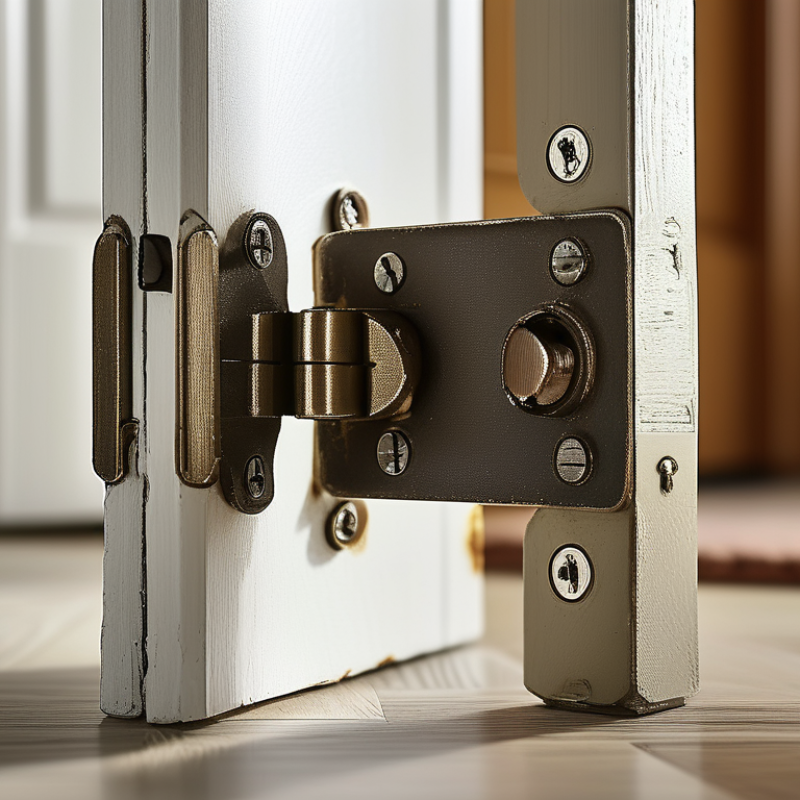
Understanding the Common Causes of a Loose Door Hinge
A loose door hinge is often a sign of wear and tear, but it can also arise from improper installation. According to industry reports, more than 50% of door hinge issues stem from repeated use without proper maintenance. The constant stress on the hinge can cause screws to loosen, leading to misalignment. This can create gaps between the door and frame, which are often overlooked until they become problematic.
One effective tip for addressing loose hinges is to tighten the screws regularly. A simple routine check can prevent bigger issues. If screws spin freely, consider using a larger screw or adding wood filler to provide extra grip. Also, inspect the hinge for any signs of rust or damage. If found, replacing the hinge might be necessary.
Understanding the environment is equally crucial. Humidity can cause wood to swell, affecting hinge stability. Keeping doors aligned and regularly lubricating hinges will enhance longevity. A professional report indicates that maintenance checks twice a year can extend the lifecycle of door hardware significantly. Awareness of these common causes can save homeowners time and money in repairs.
Essential Tools and Materials Needed for Repairing Door Hinges
Repairing a loose door hinge is straightforward with the right tools and materials. You need a few essentials to start. A screwdriver is crucial for tightening screws. Pliers can help if screws are stuck. A level will ensure the door hangs straight after the repair. You might also need wood filler if the screws have stripped the wood.
Before you dive in, assess the hinge and its screws. Sometimes, all it takes is a simple tightening. If the hinge is damaged, replacement might be necessary, which requires different tools. Consider having a drill on hand for creating new holes if needed. A tape measure is useful to ensure precise placement of the hinge.
Keep in mind that screws come in various sizes. Not all screws work for every hinge. When in doubt, take an old screw with you to the hardware store. Wearing safety glasses is a good practice, even for minor tasks. You might make mistakes, and that's okay; the learning process is part of the experience. Fixing hinges is an opportunity to improve your DIY skills. Embrace it, and enjoy the small victories along the way.
Step-by-Step Guide to Tightening a Loose Door Hinge
A loose door hinge can be annoying. It often causes the door to creak or not close properly. Fortunately, tightening it is a simple task that anyone can do with minimal tools. Start by inspecting the hinge closely. Look for any screws that may be loose. If you notice any, grab a screwdriver that fits well.
Begin tightening the screws. Apply gentle pressure; over-tightening can strip the wood. If a screw won’t tighten, it may be due to a stripped hole. In this case, try inserting a toothpick coated in wood glue into the hole. Once dry, reinsert the screw to create a tighter fit. It’s a straightforward fix, but it requires patience and attention to detail.
After tightening, test the door movement. Open and close it a few times. Listen for any lingering creaks. If the hinge still feels loose, consider changing the screws to longer ones. This ensures a stronger hold. Sometimes, a simple task can become frustrating. Yet, these minor repairs can greatly improve your home environment.
Alternative Solutions for Severely Loose Door Hinges
Dealing with severely loose door hinges can be frustrating. If simple tightening doesn’t work, consider adding shims. These thin pieces of wood or cardboard can fill gaps and provide stability. Slide them behind the hinge to adjust the alignment. This method is often overlooked but can be effective. You might need to experiment with thickness to achieve the right fit.
Using longer screws is another viable option. Replace existing screws with ones that penetrate deeper into the frame. This helps create a stronger grip. However, be cautious. Over-tightening can damage the wood. It’s essential to maintain a balance and ensure the hinge operates smoothly after the adjustment.
If the problem persists, think about replacing the hinge. Some old hinges may have lost their structural integrity. They can bend, leading to more issues down the line. Inspect the hinge for signs of wear. If you notice significant damage, buying a new hinge may be the best choice. Remember, even small adjustments can greatly impact the door's functionality.
Preventative Measures to Avoid Future Door Hinge Issues
Preventative measures are essential to avoid future door hinge issues. A simple yet effective approach is regular inspections. Examine your door hinges every few months. Look for signs of wear, rust, or loose screws. Fixing them early can prevent bigger problems later.
Tips: Apply a silicone-based lubricant to the hinges every few months. This will keep them moving smoothly. Avoid using oil, as it can attract dust and debris, leading to more issues.
Another preventative measure involves tightening screws. Over time, screws can loosen due to regular use. Check screws periodically and tighten them if necessary. Make it a habit to perform this simple check during seasonal home maintenance.
Finally, consider the door's weight. A heavy door may stress the hinges, causing them to fail sooner. Reinforcement may be needed for heavier doors. Adding a second hinge can distribute weight better. This ensures longevity.
How to Repair a Loose Door Hinge Easily and Quickly? - Preventative Measures to Avoid Future Door Hinge Issues
| Step |
Description |
Tools Needed |
Time Required |
Preventative Measures |
| 1 |
Identify the loose hinge and assess if screws need tightening or replacement. |
Screwdriver, replacement screws (if needed) |
5 minutes |
Regularly check hinges for tightness. |
| 2 |
Use a screwdriver to tighten the screws on the hinge. |
Screwdriver |
5 minutes |
Lubricate hinges periodically to prevent rust. |
| 3 |
If screws are stripped, replace them with larger screws. |
Screwdriver, larger screws |
10 minutes |
Avoid hanging heavy items on doors. |
| 4 |
Check the alignment of the door and adjust if necessary. |
Level, shims |
15 minutes |
Ensure door frames are square during installation. |
| 5 |
Test the door's operation and ensure it swings freely. |
N/A |
2 minutes |
Regularly inspect door function as part of home maintenance. |
Conclusion
In this article, we explore how to repair a loose door hinge easily and quickly by first understanding the common causes behind this issue, such as wear and tear or improper installation. Essential tools and materials needed for the repair process are identified, ensuring readers are well-equipped to tackle the problem.
The step-by-step guide provided simplifies the process of tightening the hinge, making it accessible for anyone, regardless of their handyman skills. For those facing severely loose hinges, alternative solutions are discussed, along with preventative measures to avoid future issues. By following these recommendations, homeowners can maintain the functionality and longevity of their doors.

 Booka Tool