Home repairs can be daunting, especially for those with little experience. Yet, many homeowners feel pressured to tackle these tasks themselves. According to a survey by the Home Improvement Research Institute, 75% of homeowners prefer DIY projects to hiring professionals. However, the lack of proper knowledge can lead to unsafe situations. Learning how to safely do basic home repairs without experience is crucial.
Building confidence in home repair tasks begins with the right information. The Consumer Product Safety Commission reports that over 400,000 injuries occur annually due to home improvement mishaps. Many of these accidents stem from ill-prepared DIY attempts. This statistic underscores the importance of understanding techniques and safety measures before diving into repairs. Knowledge is your best tool for success.
Focusing on simple repairs can increase your competence. Start with small, manageable projects that require basic tools. Each successful task will build your confidence and set the foundation for more complex jobs. It’s essential to reflect on mistakes and learn rather than shy away from challenges. Embrace the process, and you’ll be more prepared for home repairs ahead.
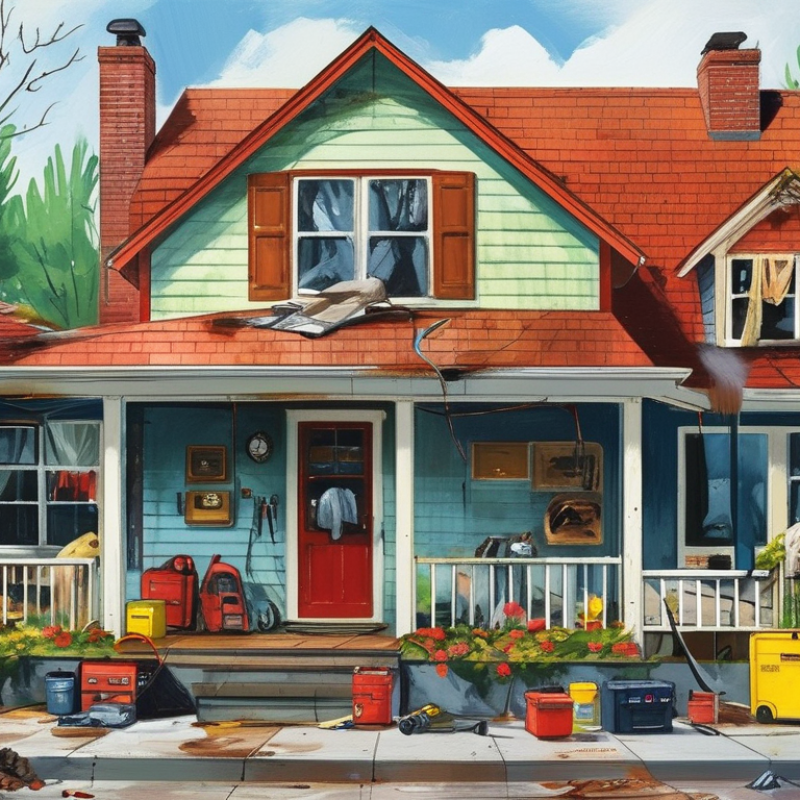
Essential Safety Gear for Home Repairs Beginners
Safety is crucial when embarking on home repair projects, especially for beginners. Thus, essential safety gear cannot be overlooked. According to the National Safety Council, nearly 9,000 people visit emergency rooms annually due to home repair injuries. Proper safety equipment dramatically reduces the risk of accidents.
One vital item is safety goggles. They protect your eyes from dust, debris, and harmful materials. A study by the American Academy of Ophthalmology found that 90% of eye injuries can be prevented with the right eyewear. Additionally, gloves are essential for hand protection. They help prevent cuts and abrasions from sharp tools and materials.
Ear protection is also important. Prolonged exposure to loud tools can cause permanent hearing loss. The CDC reports that even moderate noise exposure can damage hearing over time. Hard hats should be worn in areas where falling objects pose a risk. Many overlook the importance of this gear, often leading to unfortunate incidents. As you start your projects, investing in safety gear must be your top priority.
Understanding Common Tools and Their Uses
Understanding common tools is crucial for safe home repairs. Basic tools can seem intimidating, but they are user-friendly. A 2022 Home Improvement Report noted that 75% of homeowners tackled DIY projects without hiring professionals. Familiarity with tools increases your confidence and skills.
Start with essential tools like a hammer, screwdriver, and measuring tape. Hammers come in various sizes. Choose one that feels comfortable. A standard flathead screwdriver is versatile. A tape measure, at least 25 feet, helps ensure accuracy. Studies show that 65% of DIY injuries happen due to improper tool use. Taking time to learn about each tool can prevent accidents.
Consider a basic tool kit as a foundation. It should include pliers, a utility knife, and a level. Levels are critical for keeping things straight, making your work more professional. Remember, shortcuts often lead to mistakes. Many beginners overlook the importance of safety gear, such as gloves or goggles. A simple injury can derail your project quickly. Emphasizing tool safety and knowledge is essential for every DIYer.
Step-by-Step Guide to Assessing Repair Needs
When assessing repair needs at home, start with a thorough inspection. Look for visible issues, such as water stains or cracks. According to a report by the American Society of Home Inspectors, 50% of homeowners have faced problems with plumbing. These issues often signal deeper plumbing concerns. Checking for leaks can save you money in the long run.
Document findings and prioritize needs. If you find several repairs, rank them based on urgency. A survey from HomeAdvisor states that minor plumbing repairs can range from $150 to $400, so act quickly on anything that poses a safety risk. Identify areas needing immediate attention versus those that can wait. This structured approach helps you use time and resources wisely.
Consider seeking advice from professionals for complex tasks. Many resources are available online, but understanding when to consult an expert is crucial. Home improvement should be safe and efficient. Embrace DIY tasks that match your skill level. Reflect on your experiences and areas for improvement. Learning from past mistakes can make future projects smoother.
10 Tips to Safely Do Basic Home Repairs Without Experience
| Tip Number |
Tip Description |
Tools Needed |
Safety Precautions |
| 1 |
Identify the Repair Need |
None |
Assess risks of the area |
| 2 |
Gather Necessary Tools |
Basic Tool Kit |
Use tools according to instructions |
| 3 |
Turn Off Utilities |
None |
Ensure power is off before working |
| 4 |
Follow a Step-by-Step Guide |
Instruction Manual |
Read instructions carefully |
| 5 |
Don’t Rush the Process |
None |
Take your time to avoid mistakes |
| 6 |
Wear Proper Protective Gear |
Gloves, Goggles |
Wear safety gear to minimize risk |
| 7 |
Ask for Help if Uncertain |
None |
Consult a professional if needed |
| 8 |
Keep the Work Area Clean |
Broom, Trash Bag |
Prevent accidents by removing clutter |
| 9 |
Test Your Work |
None |
Ensure safety while testing |
| 10 |
Document Your Work |
Notebook, Camera |
Keep records for future repairs |
Basic Techniques for Common Home Repairs
Home repairs can feel daunting, especially for beginners. However, mastering a few basic techniques can empower you to tackle simple tasks with confidence. When fixing a leaky faucet, for example, start by turning off the water supply. This small step prevents water wastage and potential messes. Remove the handle and inspect the washer, which often wears out first. Replacing it may solve your issue easily and affordably.
Patch walls effectively by following a straightforward process. Begin by cleaning the area around the hole. Then, use a putty knife to apply spackle or joint compound. Smooth it out, and let it dry completely. Sand it lightly for a seamless finish. While this technique seems easy, it may take practice to achieve a perfect look. Expect some imperfections along the way; these provide learning opportunities.
When working with electrical outlets, ensure your safety first. Test with a voltage tester before touching any wires. Turn off power at the circuit breaker. Simple tasks, like replacing a switch, require patience and care. Though mistakes may happen, each one can be a stepping stone to mastering home repairs. Just remember, even seasoned DIYers had to start somewhere.
10 Tips to Safely Do Basic Home Repairs Without Experience
When to Seek Professional Help for Home Repairs
Home repairs can seem daunting. Yet, knowing when to call in professionals is crucial. The National Association of Realtors reported that nearly 30% of homeowners attempted major repairs without prior experience. Sometimes, this leads to larger issues, costing more to fix in the long run.
For instance, plumbing problems, if mishandled, can result in severe water damage. According to the American Society of Home Inspectors, 38% of homeowners encountered plumbing issues. These issues require skilled diagnosis to prevent recurring problems. Electrical repairs are another area where caution is vital. A small mistake can lead to severe safety hazards, including fires.
It's essential to assess your comfort level with DIY tasks. If the job requires specialized knowledge or tools, seeking professional help is wise. Many issues can escalate quickly. Moreover, the average cost of a mistake can exceed $1,000, according to industry reports. For major tasks like roofing or foundation repairs, professionals ensure quality and safety. They bring expertise that inexperienced homeowners may lack. Ignoring this can lead to regret and greater expenses down the line.
FAQS
: Safety gear reduces the risk of accidents during home repair projects.
Safety goggles protect your eyes from dust and debris.
Gloves prevent cuts and abrasions from sharp tools and materials.
Prolonged exposure to loud tools can cause permanent hearing loss.
Hard hats should be worn to protect your head from falling objects.
A hammer, screwdriver, and measuring tape are essential for beginners.
A tape measure, ideally 25 feet long, helps measure accurately.
Many injuries occur due to a lack of familiarity with tools.
A basic tool kit lays the foundation for tackling various DIY projects.
Skipping safety gear can lead to simple injuries, delaying projects significantly.
Conclusion
When considering how to safely do basic home repairs without experience, it is crucial for beginners to prioritize essential safety gear such as gloves, goggles, and masks to protect themselves from potential hazards. Understanding common tools and their specific uses will empower homeowners to tackle various tasks confidently.
The article outlines a step-by-step guide for assessing repair needs, helping individuals identify what issues require attention. It introduces basic techniques for common repairs, enabling novices to execute tasks effectively. However, it also emphasizes the importance of recognizing when to seek professional help to ensure safety and quality results. By following these guidelines, beginners can engage in home repair projects with greater safety and competence.

 Booka Tool