A weak shower can turn an ordinary morning into a frustrating wait. A kitchen tap may trickle while another faucet runs normally. If you are asking what causes low water pressure at home, the answer may involve one fixture, the building’s plumbing, or the incoming supply. The pattern matters. Notice when pressure drops, which taps are affected, and whether hot and cold water behave differently.
Richard Trethewey, a plumbing and heating expert known for This Old House, offers a useful diagnostic principle: “Find where the pressure loss begins before replacing parts.” Treat that as practical guidance, not a substitute for inspecting your system. Common causes include a partly closed shutoff valve, a clogged faucet aerator, mineral buildup, a leaking pipe, or a pressure regulator problem. In apartments and older homes, shared pipes and changing municipal demand may also play a role. Small clues help. A sudden change across several rooms points to a different problem than one slow bathroom faucet.
This guide explores ten likely causes, from simple blockages to issues that call for a licensed plumber. You can start with visible checks, such as cleaning an aerator or confirming a valve is fully open. Still, diagnosis is not always tidy. Two problems can happen at once, and a pressure reading alone may not reveal the cause. Avoid guessing at hidden pipe damage. Careful observation, followed by professional assessment when needed, is safer and more reliable.
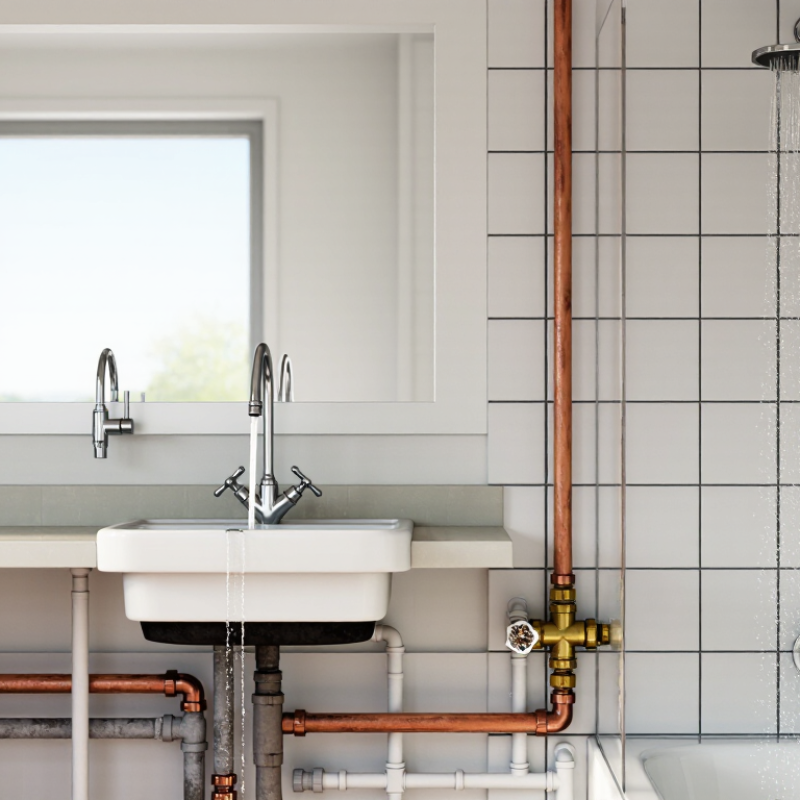
Low water pressure can make a shower feel weak, extend the time needed to fill a kettle, or leave a washing machine taking longer to run. Notice whether the problem affects one tap or the whole home. If only one faucet is slow, a clogged aerator or local valve may be responsible. When several fixtures weaken at once, the supply, pressure regulator, or a leak may deserve attention. These signs are clues, not a diagnosis.
Tips: Attach a pressure gauge to an outdoor tap or suitable threaded connection. Turn off other taps and appliances, then read the static pressure. Many homes operate around 40–60 psi, but suitable levels vary by plumbing system and local guidance. A bucket test can also help: time how long a tap takes to fill a marked container. It measures flow, not pressure. Small but important difference.
For a fuller check, note the gauge reading while another tap runs; pressure may fall under demand. Compare readings at different fixtures and repeat the test, since one measurement can mislead. A sudden drop, damp patches, or unexplained water sounds may point to a leak. If readings remain unusually low or fluctuate sharply, ask a qualified plumber to inspect the system. It is easy to blame the water supply too soon.
A pressure gauge attached to an outdoor hose bib or washing-machine connection can help measure static water pressure. Readings below 40 psi are commonly considered low for a home; local plumbing requirements and utility guidance may differ.
How to interpret the chart: These bars mark reference points, not measured readings. Pressure under 40 psi may contribute to weak flow; pressure above 80 psi is generally considered excessive and may require a pressure-reducing valve. Check both static pressure (water off) and flow under use, since they can reveal different problems.
Common signs: weak flow at several fixtures, a shower that weakens when another tap runs, or a sudden change in pressure. If only one fixture is affected, check its aerator or showerhead first. A persistent whole-home issue may need assessment by a licensed plumber or the water utility.
Low water pressure at home does not always begin inside the house. In Chinese cities, municipal supply can vary with neighborhood elevation, pipe maintenance, and demand. During morning showers, nearby households may draw water at once, reducing flow on upper floors. The kitchen tap may still run steadily while a shower on the sixth floor weakens. That contrast matters. Ask neighbors whether they notice the same pattern, and record when pressure drops and which fixtures are affected. These observations can help distinguish a supply issue from a problem inside one apartment.
Building systems add another layer. A rooftop tank, booster pump, pressure-reducing valve, or aging riser can affect pressure between floors. Sediment in an aerator may restrict one faucet, but weak flow at every tap suggests a wider issue. Check whether hot and cold water behave differently, and whether lower floors have stronger flow. Do not adjust shared pumps or valves without authorization; changes can affect other residents. A qualified building technician can measure pressure at several points and inspect filters, valves, and pumps during busy and quieter hours. One visit may still miss the morning problem. Keep a short log for several days.
Low water pressure often starts inside the plumbing, not at the tap. Mineral scale, rust, and sediment can gradually narrow older pipes. A kitchen faucet may sputter while the bathroom shower still runs normally. That difference matters. If several taps weaken at once, a blockage or supply issue becomes more likely. If only one fixture struggles, its aerator or connecting pipe may be clogged.
Leaks can also reduce pressure. Look for damp patches beneath sinks, peeling paint, musty smells, or a water meter that moves when every tap is off. Some leaks stay hidden inside walls, so visible clues are not always present. This check is not foolproof. A plumber can test the system and locate concealed leaks before repairs cause more damage.
Faulty valves are another common cause. A partly closed shutoff valve beneath a sink can restrict flow, especially after maintenance. The main valve may also be stiff, worn, or obstructed. Turn accessible valves gently; forcing an old one can make it leak. Compare hot and cold water, too. If only hot water is weak, the water heater valve or nearby pipe may be involved. Small details help narrow the cause, but pressure problems can overlap.
Low water pressure at home often begins where water is forced through a narrow opening. If cold taps run well but hot water is weak, check the heater’s inlet screen and accessible shutoff valve. Sediment may collect inside the heater or in connecting pipes. A sudden change, leak, or unusual noise calls for a qualified technician. The clues can be easy to miss.
Filters and fixtures are common restrictions. A clogged filter cartridge can slow flow throughout the house, while a dirty faucet aerator may affect only one sink. Mineral deposits can also narrow showerhead openings over time. Compare several taps before replacing parts: one weak fixture suggests a local blockage, while several weak fixtures may point to a shared filter or supply line. This check is useful, but not foolproof.
Tips: Check one fixture at a time. Note whether hot, cold, or both flows are weak. Clean removable aerators and showerheads according to their instructions, and replace filter cartridges on schedule. Keep a note of when pressure changes. It is tempting to blame the heater right away, but that assumption can waste time; a partly closed valve or overdue filter may be the simpler cause.
A pressure problem in one sink usually points to that fixture, not the whole house. Remove and inspect its aerator; grit or mineral scale can restrict the small screen. If only hot water is weak, check the hot-side stop valve and consider a water-heater or branch-pipe issue. If both hot and cold are weak at one bathroom, compare nearby fixtures. That matters.
When several rooms lose pressure, check whether the main shutoff is fully open and look for damp patches or unexplained meter movement. Test with a pressure gauge at an outdoor tap, then repeat while another fixture runs; a large drop under flow can reveal a restriction. Elevation also matters: water pressure falls about 0.43 psi per foot of rise, so upper-floor taps may read lower. The 2021 International Plumbing Code, section 604.8, requires pressure regulation when supply pressure exceeds 80 psi; local adoption varies. EPA WaterSense limits labeled showerheads to 2.0 gallons per minute, but a bucket-flow test measures flow, not pressure. I’ve seen those confused. If readings are low throughout the home, ask the utility whether street supply is affected, and have a licensed plumber check the pressure regulator and hidden leaks.
| Possible cause | Typical pattern around the home | How to identify it | Practical next step |
|---|---|---|---|
| 1. Low supply pressure from the building or local network | Several cold-water taps are weak at the same time, often throughout the home. Neighbours or other units may notice a similar issue. | Check more than one fixture and ask building management or neighbours whether the problem is shared. Note whether it changes by time of day. | Contact the property manager or water-service provider to check the building supply, pressure zone, storage tank, or booster system. |
| 2. Partly closed main shutoff valve | Most or all fixtures have reduced flow, especially after plumbing work, a repair, or a period when the home was vacant. | Locate the home’s main water valve and check whether it is fully open. Do not force a stuck or damaged valve. | Have a qualified plumber inspect or replace a valve that will not open fully or shows signs of leakage. |
| 3. Pressure-reducing valve (PRV) issue | Low flow affects many fixtures downstream of the valve; pressure may also fluctuate. The problem can begin after a valve adjustment or failure. | A plumber can measure pressure before and after the PRV and check its adjustment and condition. | Ask a qualified plumber to test and service the PRV. Avoid adjusting it without knowing the system’s safe operating limits. |
| 4. Clogged faucet aerator or showerhead | Only one faucet or shower has weak flow, while nearby fixtures work normally. Mineral scale or debris may be visible at the outlet. | Remove and inspect the aerator or showerhead, if designed to be removable. Compare flow with the outlet removed where safe to do so. | Clean or replace the affected screen or showerhead. Follow the fixture instructions and avoid damaging the finish. |
| 5. Blocked fixture cartridge, filter, or local stop valve | One sink, toilet, or appliance connection is affected. A mixer tap may have weak flow on one side, or a filtered-water outlet may be slow. | Check whether the fixture’s stop valves are fully open. Inspect accessible inlet screens and filters; compare hot and cold flow separately. | Clean or replace the appropriate cartridge or filter. If the stop valve is seized or leaking, arrange professional repair. |
| 6. Restricted, scaled, or corroded pipes | Several fixtures on the same branch are weak, while fixtures on another branch may be normal. The problem can worsen gradually over time. | Compare fixtures by location and branch; look for older pipework, visible corrosion, or a history of recurring blockages. A plumber can test flow and inspect pipes. | Have the affected pipework assessed. A qualified professional can determine whether cleaning, repair, or replacement is appropriate. |
| 7. Leak in a supply pipe or plumbing fitting | Pressure may be low across multiple areas. Other clues include damp patches, unexplained water use, water sounds when taps are off, or a drop in tank or meter readings. | Turn off fixtures and appliances, then check whether the water meter continues to register flow, if the home has an accessible meter. Look for visible moisture. | Arrange prompt leak detection and repair. Shut off the affected supply if there is active flooding and it is safe to do so. |
| 8. Water-heater or hot-water-side restriction | Hot water is weak while cold water flows normally, or only hot-water outlets are affected. The issue may be limited to one heater or hot-water branch. | Compare hot and cold flow at the same fixture and at other fixtures. Check for a closed isolation valve or a restricted inlet screen, if accessible. | Have the heater and hot-water pipework inspected. Do not open a pressurized or hot appliance unless qualified to do so. |
| 9. Simultaneous water use or a building booster-system issue | Flow drops when multiple taps, showers, washing machines, or other units use water at once. Upper floors may be affected more in some buildings. | Compare flow when other fixtures are off with flow during peak use. Ask building management to check booster pumps, controls, and shared supply equipment. | Report recurring building-wide or peak-time problems to property management for system testing and maintenance. |
| 10. Elevation, pipe layout, or an undersized/restricted branch | Only upper floors, distant rooms, or fixtures at the end of a long pipe run may have weak flow. Lower or closer fixtures may work normally. | Map which floors and rooms are affected. Compare nearby fixtures and note whether the issue is constant or occurs only during high demand. | Ask a plumber or building engineer to assess pipe sizing, route, valves, and the building’s pressure arrangement before considering modifications. |
Helpful distinction: “Low pressure” is often noticed as low flow. A clogged outlet or pipe can reduce flow even when the supply pressure is normal. Compare several fixtures, test hot and cold separately, and note whether the problem affects one outlet, one branch, one floor, or the whole home.
A weak shower, slow kettle filling, or a washing machine taking longer may signal reduced flow. These signs are clues, not proof.
Attach a pressure gauge to an outdoor tap or suitable threaded connection. Turn off other taps and appliances, then read the static pressure. Many homes measure around 40–60 psi, though suitable levels vary.
No. Time how long a tap takes to fill a marked bucket; this measures flow. Useful, but not the same thing.
Its aerator, local valve, or connecting pipe may be clogged. Mineral scale or sediment can narrow a pipe. Check other fixtures before settling on a cause.
A wider plumbing blockage, supply issue, pressure regulator problem, or leak may be involved. Compare fixtures and repeat your checks; one reading can mislead.
A leak may reduce pressure. Look for damp patches under sinks, peeling paint, musty smells, or a meter moving while all taps are off. Hidden leaks can leave no obvious clue.
Yes. A shutoff valve beneath a sink may restrict flow, especially after maintenance. Turn accessible valves gently; forcing an old valve can make it leak.
If cold water flows normally but hot water does not, the water-heater valve or nearby pipe may be involved. Causes can overlap, so this is not a diagnosis.
Low water pressure can show up as a weak shower, slow-filling appliances, or a sudden drop in flow when several taps are running. To understand what causes low water pressure at home, first compare the flow at different fixtures and note whether the problem affects the whole property or only one area. A simple pressure gauge can help distinguish low incoming pressure from a local blockage or restriction.
Common causes include municipal supply changes, peak-hour demand, and pressure problems within a building. Inside the home, mineral buildup or debris in pipes, leaks, and partly closed or faulty valves can reduce flow. Water heaters, filters, aerators, and showerheads may also become clogged or restrict water. If pressure is low throughout the house, check the main supply and plumbing system; if it affects just one fixture or hot water, focus on that fixture, its connecting pipes, or the water heater. This step-by-step approach helps narrow down the likely source before repairs are considered.

Booka Tool