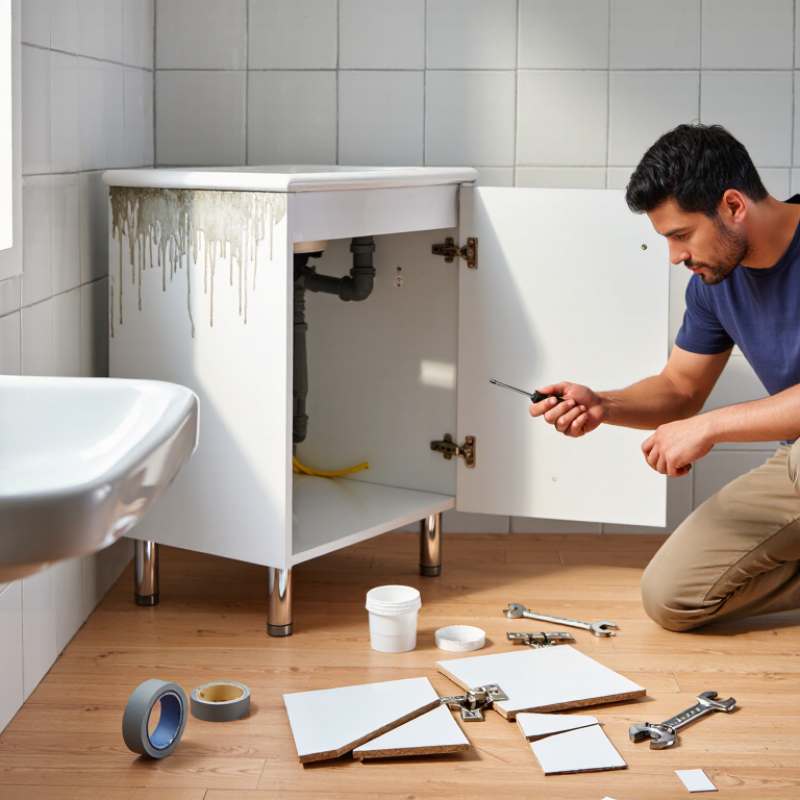
Why Do DIY Home Repairs Go Wrong?

Time:2026-10-18 Author:Aria
0%

A dripping tap, loose cabinet hinge, or cracked tile can look deceptively simple. Yet a small repair can expose hidden damage, unsafe wiring, or weakened materials. This guide asks: what are common mistakes in DIY home repair? The answer rarely involves laziness alone. It often involves rushed decisions. Many homeowners begin confidently, then discover that one overlooked detail changes the entire job. Careful planning can prevent that costly surprise.

Experienced contractors usually inspect the surrounding area before touching the visible problem. They check moisture, load, material age, compatibility, and access. A bathroom wall may feel dry while water spreads quietly behind the tiles. A screw may seem tight but miss the stud beneath plaster. These details matter because cosmetic fixes can hide structural or electrical risks. Reliable repair advice should explain limitations, not promise effortless success. Manufacturer instructions, local building guidance, and qualified professional assessments remain valuable references.

Still, even sensible homeowners make mistakes. I have seen small jobs become expensive after incorrect measurements, unsuitable sealant, or skipped preparation. One uneven shelf can reveal a rushed level check. One stained ceiling can signal a leak that paint cannot solve. This discussion keeps those moments visible, including decisions that seemed reasonable at the time. It focuses on practical warning signs, safer habits, and honest reflection. Sometimes, stopping is the skilled choice. The goal is not perfect craftsmanship. It is knowing when a repair needs more knowledge, better tools, or experienced help.

Why Do DIY Home Repairs Go Wrong?

What DIY Home Repairs Involve

DIY home repairs involve more than buying tools and watching tutorials. They require diagnosis, planning, safe preparation, and realistic skill limits. A leaking pipe may hide water damage behind a wall. A loose outlet may signal overloaded wiring. Small clues matter.

The U.S. Consumer Product Safety Commission reported about 159,000 emergency-room ladder injuries in 2020. Falls remain a serious risk. OSHA also identifies falls as the leading cause of construction fatalities. These figures are not limited to professionals. Homeowners face similar hazards when repairing roofs, ceilings, or tall walls. The National Fire Protection Association recorded 379,500 residential structure fires in the United States during 2022. Poor electrical work, damaged insulation, and careless heat sources can increase danger. I have seen projects fail because the visible problem was treated, while the hidden cause remained. That mistake is easy to repeat.

Tips: Turn off power before opening electrical boxes. Shut off water before removing fittings. Photograph each connection. Use a moisture meter when staining appears. Keep a written parts list. Stop when a repair involves gas, structural damage, asbestos, or complex wiring. A licensed professional can inspect these risks properly. Tutorials help, but they cannot inspect your wall. Measure twice. Question your first assumption.

Why Home Repairs Commonly Go Wrong

D IY home repairs often go wrong because people treat symptoms instead of finding the real cause. A damp ceiling may come from a loose pipe, not a damaged patch. A sticking door may signal a shifted frame. The visible problem is sometimes only the final clue.

I once replaced a cracked tile without checking the floor beneath it. The new tile looked fine for a week, then cracked again. That mistake taught me to inspect moisture, movement, and support before buying materials. Careful measurements matter too. A few millimeters can ruin a cabinet fit or leave a gap around a window. Cheap tools can also create inaccurate cuts and weak connections.

Many repairs fail when instructions are skipped or safety checks feel unnecessary. Before starting, turn off water or electricity where appropriate, photograph existing connections, and test the area slowly afterward. Experienced tradespeople also check hidden damage and local building requirements. That step is easy to ignore. Stop when wiring, structural damage, gas, or persistent leaks appear. Guessing can make the repair more expensive and less safe. Good DIY work is not about finishing quickly. It depends on preparation, honest limits, and the willingness to rethink a plan when the wall reveals something unexpected.

How Inexperience Affects Repair Quality

DIY home repairs often fail because inexperience turns small uncertainties into hidden defects. A homeowner may measure twice, yet still choose the wrong fastener, sealant, or drill setting. Drywall can look smooth while its anchors barely hold. A pipe joint may stay dry for one evening, then leak behind a cabinet.

The learning curve is physical, not only technical. The U.S. Consumer Product Safety Commission estimated 161,700 ladder-related injuries received emergency treatment in 2020. That figure covers all ladder users, not only DIY workers, but it shows how quickly ordinary equipment creates serious risk. In practice, beginners often work from unstable steps, rush awkward movements, or ignore eye protection. I have also seen people remove a protective cover because it “gets in the way.” That shortcut is small. The consequence may not be.

Limited experience also affects diagnosis. Harvard’s Joint Center for Housing Studies reported that U.S. homeowners spent about $472 billion on improvements and maintenance in 2022. High spending does not guarantee high-quality work. Many projects begin without checking moisture, wiring routes, structural loads, or local building requirements. A fresh coat of paint can conceal water damage. A tightly closed door can indicate shifted framing, not a bad hinge. Even careful people misread these signs. I would, too, without checking the underlying cause before touching the surface.

Which Tools and Materials Cause Problems

Why Do DIY Home Repairs Go Wrong?
Which Tools and Materials Cause Problems

Many DIY repairs fail because the tool does not match the task. A dull drill bit can wander across tile and create a cracked edge. Using a screwdriver as a chisel may damage both the tool and the surface. Adjustable wrenches can also slip when their jaws are not fitted tightly. Small movements matter.

Materials create different risks. Ordinary screws may rust inside damp areas, while indoor sealant can split outdoors after temperature changes. Mixing incompatible metals can cause corrosion around pipes and fittings. Thin wall anchors often pull out when shelves carry more weight than expected. Read the load rating, curing time, and temperature limits before installation.

Measurements deserve equal attention. A repair can look correct but still leak behind the wall. I once trusted an old measurement and cut a replacement panel slightly short. The gap was visible under bright light. That mistake taught me to measure twice, check the surface condition, and test-fit every piece. I still rush sometimes. Before drilling, switch off nearby power and confirm hidden pipes or cables with a suitable detector. Wear eye protection, keep the work area dry, and stop when resistance feels unusual. A little dust is normal. Sudden movement is not.

How to Prevent Mistakes During DIY Repairs

DIY repairs usually fail before the first screw turns. A rushed diagnosis can hide water damage, overloaded wiring, or weak framing. The Joint Center for Housing Studies reported that U.S. homeowners spent about $472 billion on improvements and maintenance in 2022. That scale shows how often ordinary people manage complex work without formal training.

Prevent mistakes by defining the repair before buying materials. Photograph the area, measure twice, and identify hidden pipes or cables. Turn off power at the breaker, then test the circuit with a voltage tester. Never trust a label alone. For plumbing, close the main valve and keep a bucket nearby. Small preparation prevents expensive surprises.

Use manufacturer instructions and local building requirements, even for minor work. The U.S. Consumer Product Safety Commission estimated about 161,000 emergency-department-treated ladder injuries in 2020. Choose a stable ladder, maintain three points of contact, and ask someone to steady it. Wear eye protection when cutting, drilling, or sanding. Stop when the repair exceeds your knowledge. I have seen careful plans fail because one measurement was guessed. That is an uncomfortable lesson. A qualified electrician, plumber, or structural professional should inspect work involving service panels, gas lines, load-bearing walls, or repeated leaks. Record what you changed, including materials, dates, and test results. Future repairs become safer when the next person can understand the first decision.

Why DIY Home Repairs Go Wrong: Common Fire Risks

Estimated average annual U.S. home structure fires by leading cause, 2016–2020

Cooking and heating equipment account for the largest number of home structure fires, while electrical distribution and lighting equipment also represent a substantial risk. Before starting a DIY repair, switch off the relevant power or fuel supply, use the correct tools and materials, follow local safety requirements, and call a qualified professional for work involving live electricity, gas, structural systems, or concealed wiring.

Source: National estimates reported in the U.S. National Fire Protection Association’s Home Structure Fires study, 2016–2020.

FAQS

What should I check before starting a DIY repair?

Diagnose the visible symptom and search for hidden causes. A wall stain may indicate a leaking pipe. Photograph connections and write a parts list. Plan before buying materials. Stop when unsure.

When should I call a qualified professional?

Seek help for gas systems, structural damage, asbestos, or complex wiring. These hazards can extend behind surfaces. Tutorials cannot inspect your wall. Do not guess.

How can I reduce electrical risks?

Turn off power before opening electrical boxes. Confirm the circuit is inactive with a suitable tester. Keep the area dry. Damaged insulation needs qualified inspection.

What ladder habits matter during repairs?

Use stable equipment on level ground. Keep your movements controlled. Wear eye protection during overhead work. Do not rush awkward movements. Falls happen quickly.

How does inexperience affect repair quality?

Beginners may choose the wrong fastener, sealant, or drill setting. A shelf anchor can pull out under ordinary weight. A pipe joint may leak later. Test the repair afterward.

How should I match tools to each task?

Use every tool for its intended purpose. A dull bit can wander across tile and crack the edge. A screwdriver is not a chisel. Stop if resistance feels unusual.

Which materials need special attention?

Check load ratings, curing times, temperature limits, and moisture exposure. Indoor sealant may split outdoors. Ordinary screws can rust in damp areas. Incompatible metals may corrode around fittings.

How can I avoid measurement mistakes?

Measure twice, inspect the surface, and test-fit replacement parts. Bright light may reveal a small gap. I once trusted an old measurement and cut a panel short. That mistake still bothers me.

Conclusion

DIY home repairs can seem simple, but they often involve more than replacing a part or applying a quick fix. Homeowners may need to inspect the problem, choose suitable materials, use tools safely, and understand how different systems work together. Without enough experience, small errors can lead to uneven results, hidden damage, wasted materials, or repairs that fail soon after completion. Common issues include inaccurate measurements, using the wrong fasteners or sealants, skipping preparation, and ignoring warning signs that a problem requires professional attention. This explains why people often ask, “what are common mistakes in DIY home repair?”

Repair quality is also affected by limited knowledge of tool operation and material compatibility. A practical way to prevent mistakes is to plan each step, read reliable instructions, measure carefully, protect the work area, and test the repair gradually. It is equally important to wear appropriate safety equipment, keep tools in good condition, and stop when the task exceeds one’s skills. Careful preparation and realistic judgment can make DIY repairs safer, more efficient, and more durable.

Aria

Aria

Aria is a dedicated marketing professional with a deep passion for innovative strategies and a keen understanding of our company's product offerings. With a wealth of experience in the industry, Aria excels at crafting engaging content that highlights the unique features and benefits of our......