Why Do Home Fixtures Loosen Over Time?

Time:2026-10-29 Author:Madeline
0%

A cabinet pull that wiggles under your fingers or a towel bar that tilts slightly can seem like a minor annoyance. But small movements often signal that a fastener, mounting surface, or joint is no longer holding as firmly as it should. If you have wondered “why do home fixtures loosen over time,” the answer usually involves repeated use, vibration, changing temperature, or materials that shift with age. A bathroom faucet, for example, may move as people turn its handles day after day. A wall-mounted shelf can loosen when its screws grip drywall instead of a stud or suitable anchor.

The cause is not always obvious. Screws may back out gradually, wood can expand and contract with humidity, and plastic parts can wear around their threads. Sometimes the fixture was never firmly secured in the first place. It is tempting to tighten everything harder, but that can damage threads, crack a surface, or make the problem worse. Stop if a fixture moves, leaks, or shows damage. Check the manufacturer’s instructions, and use fasteners suited to the wall or cabinet material. For plumbing or electrical fixtures, a persistent wobble deserves closer attention, since the visible movement may not reveal the full problem. There is no single fix for every loose fitting. A careful inspection is a better starting point than another quick turn with a screwdriver.
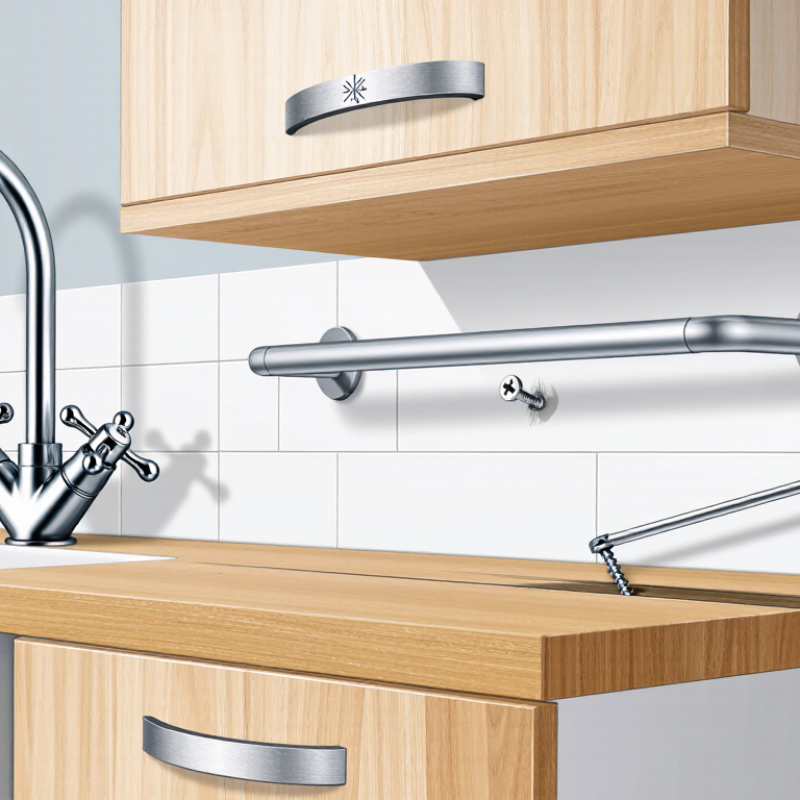
Why Do Home Fixtures Loosen Over Time?

Types of Home Fixtures and Their Mounting Systems

Home fixtures use different mounting systems, and each depends on the material behind the surface. Cabinet knobs usually fasten with short machine screws through a door or drawer front. Their small size hides a common problem: repeated pulling can widen the hole or loosen the screw. A towel bar carries more leverage. Its brackets may screw into a wall stud, or rely on anchors in drywall.

Curtain rods often use brackets fixed to studs, masonry plugs, or hollow-wall anchors. The right choice depends on the wall and the rod’s load. Toggle-style anchors spread pressure behind drywall, while plastic plugs grip solid masonry. They are not interchangeable. A ceiling fixture may attach to an electrical box, which must be properly supported for its weight. Check the fixture instructions and the box rating before installation.

Small movements matter. A bracket that shifts slightly can gradually enlarge a screw hole, especially when a towel bar is tugged every day. Moisture can also weaken some wall materials around bathroom mounts. It is tempting to blame the screw; often, the anchor or surface is the real issue. Don’t overtighten. That can strip threads or crush drywall, making a later repair less tidy. A careful check of the mounting point can reveal whether a screw needs tightening or the anchor needs replacing.

How Fasteners Keep Fixtures Secure

A fixture usually loosens because its fastener can no longer clamp it firmly against the supporting surface. Daily pulls, door slams, and small vibrations gradually work on that joint. Humidity adds movement: wood swells and shrinks, while drywall can crush around a poorly chosen anchor. The screw may look intact. The connection may not be.

Fasteners hold best when matched to the material and load. A screw driven into a wall stud grips solid wood; a hollow-wall fixture needs an anchor rated for its weight and use. For cabinets or heavy rails, fastening into framing is often more reliable than relying on drywall alone. Correct length matters too: threads need enough material to bite, but should not pierce hidden services. Small details matter. A loose hinge is often a fit problem, not a “tighten harder” problem.

Before tightening, support the fixture and inspect the hole. If the screw spins freely, tightening more can strip the wood or widen the opening. Use an appropriate replacement fastener or repair the damaged hole, then snug it until the fixture stops shifting. Do not overtighten. That can deform a bracket or crush soft material. Recheck after a few days, especially where doors or drawers create repeated motion. It is tempting to blame every loose fitting on poor workmanship, but changing materials and everyday movement are part of the story. That distinction is worth remembering.

Everyday Forces That Gradually Loosen Connections

A towel bar rarely loosens all at once. It may begin with a faint click when someone lifts a damp towel, then develop a slight wobble. Repeated pulling and everyday vibration can gradually shift screws and other fasteners. Doors add their own small jolts each time they close.

Materials also move. Wood can swell in humid weather and shrink as indoor air dries. Metal parts expand and contract with temperature changes, though usually by tiny amounts. Over many cycles, a connection may lose some of its grip, especially if it was already loose or poorly supported. The wall surface matters, too. A fastener anchored only in drywall may behave differently from one secured to a stud or suitable wall anchor.

Small changes are easy to ignore. I have mistaken a loose handle for a worn-out part; sometimes the mounting screws were simply backing out. A gentle check can reveal movement before it worsens. If a fixture shifts, avoid pulling on it to test its strength. Check the fitting instructions, and use the correct fastener for the wall material. Some fixtures conceal their mounting points, so forcing a cover can cause damage. When the wall feels soft, cracked, or damp, the problem may involve more than a loose connection.

How Materials, Temperature, and Moisture Affect Fixture Stability

A loose towel bar often starts with a tiny shift: a damp wall, a changing season, or a screw set into soft material. Wood responds to moisture by swelling and shrinking; the USDA Forest Products Laboratory’s Wood Handbook documents this dimensional movement. Repeated cycles can gradually weaken the grip around fasteners. Metal parts also expand and contract as temperatures change, though the effect depends on the metal, fixture design, and temperature range. A warm bathroom followed by a cool night may add stress over time.

Moisture is often the more visible clue. The U.S. Environmental Protection Agency recommends keeping indoor relative humidity below 60%, ideally between 30% and 50%, to help limit moisture problems. That guidance is not a fixture-failure threshold, but it can help reduce persistent dampness near mounting points. Check for swollen trim, soft drywall, rust, or a bar that moves under light pressure. A loose screw may be the symptom, not the cause. And sometimes the wall material was never suited to the load.

Tips: Dry wet areas promptly, ventilate bathrooms, and check fasteners gently every few months. If a fixture keeps loosening, inspect the anchor and the surface behind it before tightening again. Over-tightening can damage the material further.

Common Signs and Factors of Fixture Loosening

Why Do Home Fixtures Loosen Over Time?

Common Signs and Factors of Fixture Loosening

Fixtures rarely loosen overnight. A faucet handle may wobble, a towel bar may shift, or a cabinet pull may need frequent tightening. Gaps around a mounting plate, fresh wall cracks, and recurring drips are other clues. A little movement can seem harmless, but it may signal a worn fastener or damaged mounting surface. Repeated use, vibration, moisture, and temperature changes can all contribute. In bathrooms, damp drywall may gradually lose its grip on anchors.

Age matters, too, though it does not prove a fixture is loose. NAHB’s analysis of the U.S. Census Bureau’s 2021 American Housing Survey put the median age of owner-occupied homes at about 40 years. Older homes may have worn hardware or previous repairs that affect how securely fixtures are mounted. There is no single age at which loosening begins; the wall material and installation matter.

Tips: Check for movement gently, and look behind the fixture for staining or cracked material. Tighten accessible screws carefully; overtightening can strip threads or damage finishes. If the fixture keeps shifting, or the wall feels soft, stop using it and have the mounting and surrounding surface inspected. A quick fix may hide a bigger problem.

Why Do Home Fixtures Loosen Over Time? — Common Signs and Factors

What the chart shows: Typical linear thermal expansion coefficients for common materials, in micrometres per metre per degree Celsius (µm/m·°C). Values are approximate and vary by alloy and temperature. When fixture components expand and contract differently during temperature changes, joints may experience added movement; vibration, repeated loading, and soft or weakened mounting surfaces can also contribute to loosening.

Common signs: Wobbling handles or rails, visible gaps, rattling, and screws that repeatedly back out.

FAQS

Why do home fixtures loosen over time?

Daily pulling, vibration, humidity, and temperature changes can weaken the connection. Small movements add up.

What are common signs of a loose fixture?

A wobbling faucet handle, shifting towel bar, or cabinet pull needing frequent tightening can signal trouble. Check for gaps or fresh cracks.

How should I choose an anchor for a wall fixture?

Match the anchor to the wall material and fixture load. Toggle anchors spread pressure behind drywall; plastic plugs grip solid masonry. They are not interchangeable.

Is tightening a loose screw always the right fix?

No. If the screw spins freely, the hole or anchor may be damaged. Tightening harder can make things worse.

How can I secure a heavy rail or cabinet fitting?

Fastening into a wall stud or framing is often more reliable than relying on drywall alone. Check that the screw length suits the material.

Can moisture affect bathroom mounts?

Yes. Damp drywall may gradually lose its grip around an anchor. Look for staining or soft material near the mount.

What should I do if a fixture keeps shifting?

Stop using it if the wall feels soft or the fixture moves repeatedly. Have the mounting point and surrounding surface inspected. A quick fix may hide damage.

How tight should fixture screws be?

Support the fixture and tighten until it stops shifting. Do not overtighten; it can strip threads, crush drywall, or deform a bracket. Recheck after a few days.

Does an older home automatically have loose fixtures?

No. Age alone does not prove a fitting is loose. Previous repairs, worn hardware, and wall materials matter more than a single number.

Conclusion

Home fixtures such as shelves, cabinets, towel bars, light fittings, and door hardware rely on mounting systems that connect them to walls, ceilings, or floors. Screws, bolts, anchors, brackets, and other fasteners hold these items in place by creating a firm connection between the fixture and its supporting surface. When the fastener or mounting surface shifts, the fixture can begin to wobble or sag.

So, why do home fixtures loosen over time? Everyday use creates repeated movement and vibration: opening doors, hanging items, or leaning on a rail can gradually reduce a connection’s grip. Changes in temperature and moisture may also cause materials to expand, contract, swell, or weaken, especially where wood, drywall, metal, and plastic meet. Loose screws, small gaps, rattling, or visible tilting are common warning signs. The fixture’s weight, how often it is used, the quality of the mounting surface, and whether it was installed securely all influence how quickly loosening occurs.

Madeline

Madeline

Madeline is a dedicated marketing professional with a wealth of expertise in our company's core offerings. With a keen understanding of the industry, she brings a unique perspective to her role, consistently delivering high-quality content that highlights the superior aspects of our products. As......