In 2026, the common issue of doors not closing properly has raised significant concerns for homeowners. Industry expert John Harris, a veteran carpenter, states, "A door that won't close is often a symptom of underlying problems." The National Association of Home Builders reports that around 30% of residential homes experience some form of door misalignment. This statistic highlights the prevalence of the inquiry, "why does my door not close properly anymore?"
Several factors contribute to this issue. Changes in humidity and temperature can cause door swelling or shrinking, leading to misalignment. Moreover, poor installation practices and aging frames also play a critical role. Each of these elements might seem trivial at first, yet they reveal deeper structural issues within a home. Homeowners often overlook these signs, frustratingly asking, "why does my door not close properly anymore?"
The solutions may seem straightforward but require careful inspection. Implementing preventative measures can save significant costs in the long run. Doors are more than just openings; they are indicators of a home’s overall condition. Thus, addressing this annoyance promptly is crucial for maintaining safety and functionality. Ignoring it might lead to further complications, emphasizing the importance of proper maintenance.
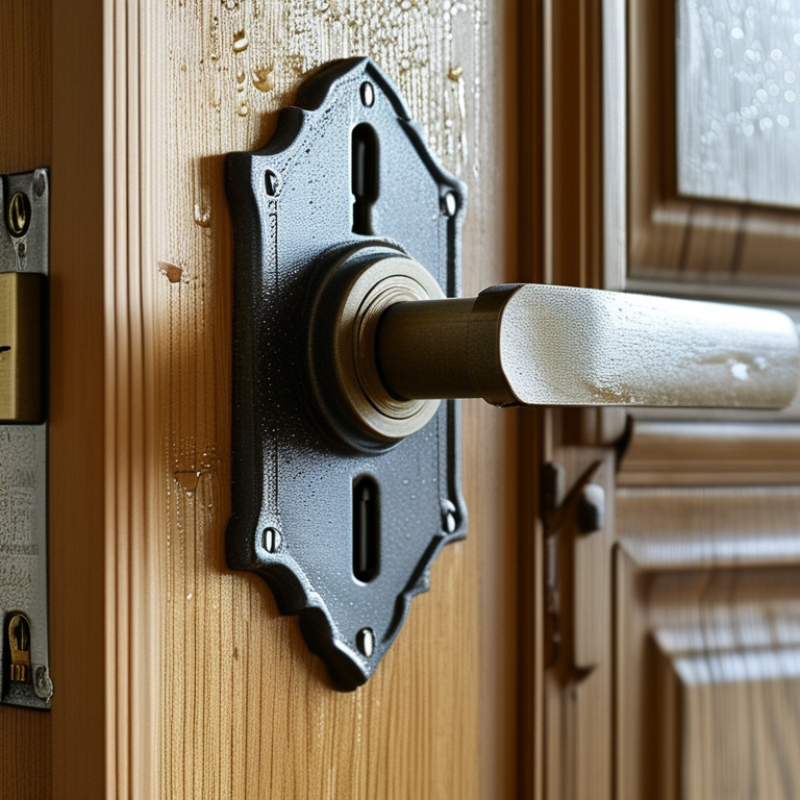
In 2026, door misalignment is a common issue faced by homeowners. Fluctuating temperatures can cause materials to expand or contract. This natural movement may lead to doors that no longer fit their frames. Over time, worn-out hinges can also contribute to misalignment. A simple twist can make a door hang unevenly.
Moreover, the prevalence of settling foundations plays a significant role. Homes shift gradually, affecting door alignment. This can lead to frustrating situations like doors that won’t latch or scrape against the floor. Even minor changes in your home can impact door closures. Identifying these problems may require professional insight.
With doors often a reflection of home maintenance, regular inspection is crucial. A neglected door can signal larger structural concerns. Homeowners should remain vigilant. Observing signs of misalignment can aid in timely fixes. Addressing these issues early helps ensure that doors open and close smoothly in the years to come. It's important to reflect on how often we overlook these small details in our busy lives.
This chart illustrates the various causes of door misalignment reported in 2026. The data highlights that environmental factors and wear and tear are among the most significant contributors.
Humidity and temperature have a significant impact on how doors function. In 2026, many homeowners find that their doors do not close properly, which is often due to changes in environmental conditions. High humidity causes wooden doors to absorb moisture. This expansion can lead to misalignment, making it hard to close the door securely. When seasons shift and temperatures change, the problem can become even worse.
In colder months, wood contracts. This can create gaps, causing a door to rattle or become loose in its frame. A door that used to swing smoothly might now stick or require extra force to close. It's frustrating to encounter these issues, especially when frequent adjustments lead to wear over time. Observing how your door behaves during various weather conditions can provide insight.
You might notice problems peak during rainy days or during the heat of summer. Reflecting on these shifts can help identify the best time for adjustments or necessary repairs.
As buildings age, structural changes can cause doors to malfunction. A common issue is foundation settling, which shifts frame alignment. This can make a formerly smooth-closing door rub against its frame or jam entirely. Cracks in the foundation can signal problems that affect more than just doors.
Humidity and temperature fluctuations also play roles. Wood expands in humid conditions and contracts when dry, altering door fit. Swelling doors can become difficult to close and latch. Inspecting the door's hinges and frame can reveal if adjustments are needed. Regular maintenance is crucial to avoid persistent issues.
Sometimes, the problem is simple wear and tear. Regular use can cause hinges to loosen over time, resulting in a misaligned door. Consider checking the screws and replacing any worn-out hardware. Being mindful of these factors can help prevent future frustrations with door functionality.
Door misalignment can stem from various issues. Seasonal changes can cause wood to swell or shrink, affecting how well a door closes. Warping is another common problem that arises from humidity and heat. Regular inspection of the hinges and latch can reveal whether they're causing friction or sticking. Pay attention to these components to ensure a smooth operation.
To maintain door alignment, check for any visible gaps. If a door drags against the floor, it may need adjustment. Tightening screws and replacing worn-out hardware can make a noticeable difference. Lubricating hinges helps reduce noise and provides smoother movement. While it may seem minor, a well-operating door enhances security and comfort.
If you notice a door that refuses to close properly, reflect on the conditions around it. Is there enough space for the door to operate freely? In some cases, a door may need trimming to fit its frame correctly. Keep your doors in check to prevent larger issues from arising. A few simple maintenance steps can go a long way in ensuring your doors function as they should.
| Issue | Possible Cause | Maintenance Tip |
|---|---|---|
| Door Won't Close | Misalignment | Check hinges and adjust screws. |
| Door Scrapes on Floor | Height not properly set | Use a planer to trim the bottom. |
| Door Sticks | Humidity or expansion | Ensure proper ventilation and climate control. |
| Gap at Top or Bottom | Settling of the building | Check frame and adjust hinges. |
| Door Hinges Squeak | Lack of lubrication | Apply a suitable lubricant to hinges. |
Door problems can be frustrating, especially in 2026, where homes face unique environmental stresses. A common issue is misalignment, often caused by settling foundations or humidity changes. According to industry statistics, around 30% of homes experience door misalignment due to these factors. When doors begin to stick or don’t close completely, it might signal a deeper issue. Regular inspections can help identify these problems early.
If DIY solutions do not work, seeking professional help might be necessary. Experts recommend consulting a specialist if the door hinges are damaged or if the frame shows signs of rot. Professional assessments can identify issues that go unnoticed. Reports indicate that 40% of structural damage cases go unaddressed in homes, leading to even bigger repairs later. Understanding the signs of door trouble early can save you money.
Homeowners should also consider preventive measures. Regular maintenance checks can extend the life of doors and hardware. Weatherstripping should be evaluated to ensure a tight seal. If you notice shifting or gaps, it may be time to consult a professional. A proactive approach can enhance your home's comfort and security. Ignoring these symptoms may lead to more significant issues down the line.
: Changes in humidity and temperature can cause doors to misalign, making them hard to close securely.
High humidity causes wooden doors to absorb moisture and expand, leading to alignment issues.
Wood contracts in cold, creating gaps that can lead to rattling or difficulty in closing.
Foundation settling can shift frame alignment, causing doors to rub against their frames or jam.
Inspecting hinges and screws, replacing worn hardware, and lubricating moving parts can help prevent misalignment.
If a door drags, it may require adjustment. Checking for visible gaps is a good start.
Seasonal temperature shifts cause wood to swell or shrink, impacting how well a door closes.
Observing helps identify peak problems, informing when to make adjustments or repairs.
Tightening screws, replacing worn-out hardware, or trimming the door can significantly improve functionality.
Regular inspections can reveal issues early, helping maintain smooth door operation for security and comfort.
In 2026, many homeowners may find themselves pondering, "why does my door not close properly anymore?" Several factors contribute to door misalignment, with shifts in humidity and temperature being significant influencers. Changes in environmental conditions can cause materials to expand or contract, leading to misalignment. Additionally, common structural changes within buildings, such as settling foundations or frame distortions, often exacerbate these issues.
To maintain proper door functionality, regular maintenance is crucial. Simple measures such as adjusting hinges, tightening screws, and checking for obstructions can help prevent misalignment. However, if problems persist despite these efforts, it may be time to seek professional assistance to ensure a long-lasting solution and restore the door’s performance. Understanding these causes and solutions can help homeowners address door issues effectively.

Booka Tool