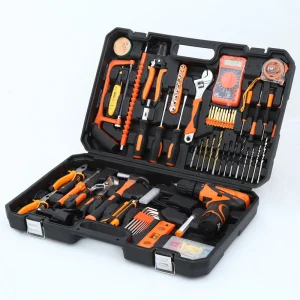
Premium mechanical, electrical, and precision tool sets engineered for global OEM & Industrial markets.
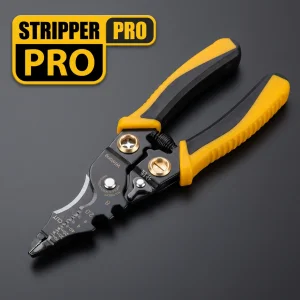
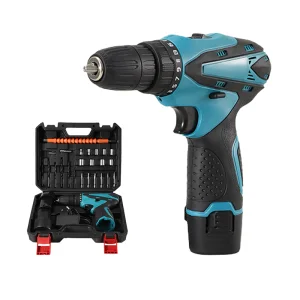
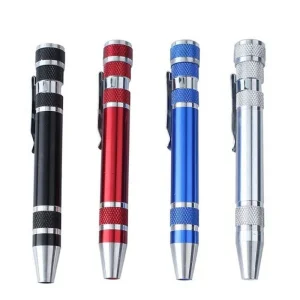
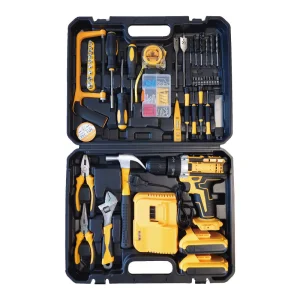
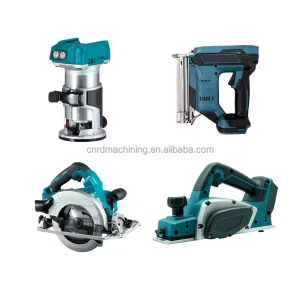
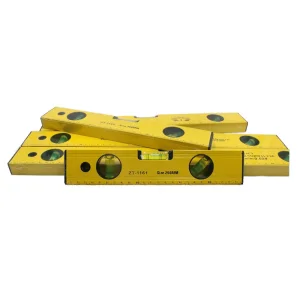
Analyzing the evolution of hardware manufacturing, MRO operations, and the rising demand for integrated multi-function tool solutions.
In the modern industrial and consumer hardware sectors, the division between basic hand tools and specialized instruments has blurred. Procurement departments at multinational enterprises, regional construction groups, and DIY retail empires now prioritize consolidated Multi-Function Repair Sets over fragmented hardware inventories.
This consolidation strategy minimizes supply chain complexity, decreases total acquisition costs, and guarantees that field engineers or end-consumers possess standardized, high-reliability tool assemblies. The modern manufacturing ecosystem demands factories that offer extensive personalization, rigorous quality testing, and international compliance.
Our analytical deep-dive highlights the core metrics that separate elite exporters from standard suppliers: material sciences (high HRC carbon and Cr-V steels), battery integration compliance for power tools, and ergonomic performance optimization.
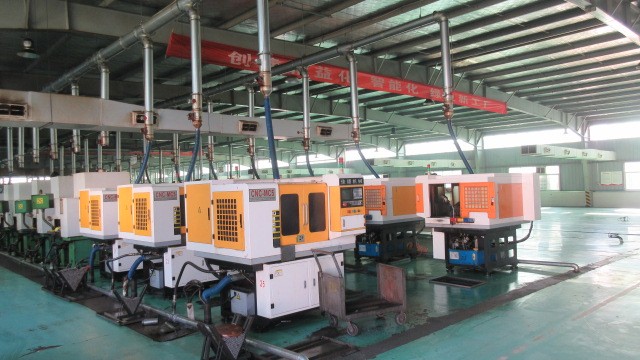
A case study in supply chain expansion, engineering focus, and industrial capability.
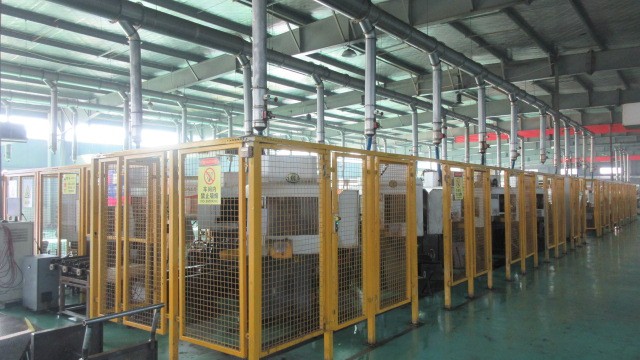
Foshan Booka Tool Co., Ltd. is a professional manufacturer specializing in home repair tools, DIY household maintenance equipment, and multi-function repair tool kits. The company focuses on providing practical, durable, and user-friendly tool solutions designed for homeowners, DIY enthusiasts, and light maintenance professionals.
Since its establishment, Booka Tool has developed from a small local workshop into a dedicated household tool manufacturer serving both domestic and international markets. In its early stage, the company mainly produced basic hand tools for home maintenance and small repair tasks. With the growing demand for DIY home improvement solutions, the company expanded its production scope and began developing multi-functional tool kits designed for a wider range of household repair scenarios.
During its growth phase, Foshan Booka Tool invested in product engineering improvements, ergonomic handle design, and durable material selection to enhance user safety and efficiency. The company gradually built a complete production system including stamping, molding, assembly, and quality inspection processes to ensure consistency and reliability across all product lines.
Today, Booka Tool serves global customers including DIY retailers, hardware distributors, e-commerce platforms, and home improvement brands. Its product systems cover general home repair tools, plumbing and electrical maintenance tools, furniture assembly solutions, and emergency repair kits. With a continued focus on innovation, practicality, and cost-effectiveness, Foshan Booka Tool Co., Ltd. aims to become a trusted global supplier in the home repair tools industry, providing efficient DIY solutions that help users complete household maintenance tasks more easily and safely.
The core systems and material improvements driving modern multi-functional repair tool sets.
Transitioning from basic low-carbon steels to advanced Chrome Vanadium (Cr-V), Chrome Molybdenum (Cr-Mo), and S2 shock-resistant tool steels. Heat treatment processes are fine-tuned to achieve optimal hardness (58-62 HRC) while preserving ductility to prevent catastrophic fractures during high-torque applications.
Integrating efficient brushless DC motors (BLDC) into cordless drill assemblies and electronic precision screwdrivers. These powertrains deliver up to 40% more torque per watt, lower thermal footprints, and include microcontroller-based electronic clutches to protect sensitive fasteners.
Modern 12V, 18V, and 21V tool kits rely on smart Battery Management Systems (BMS). The BMS guarantees over-charge protection, over-discharge mitigation, individual cell balancing, and temperature-controlled current interruption to satisfy stringent UN38.3 shipping protocols.
How multi-function tool systems optimize field operations and lower operational expenditure across sectors.
Mitigating cross-border procurement risk via systematic testing protocols, material transparency, and regulatory alignment.
Exporting mechanical tools and electrical equipment to jurisdictions like the European Union, North America, and Japan requires adhering to complex compliance pathways. Reputable manufacturers implement multi-stage testing processes:
Furthermore, supply-chain localization requires that exporters provide tailored user manuals in multiple languages, regionalized packaging, and certified battery cells (bearing CE, UL, and PSE marks) to eliminate customs processing bottlenecks.
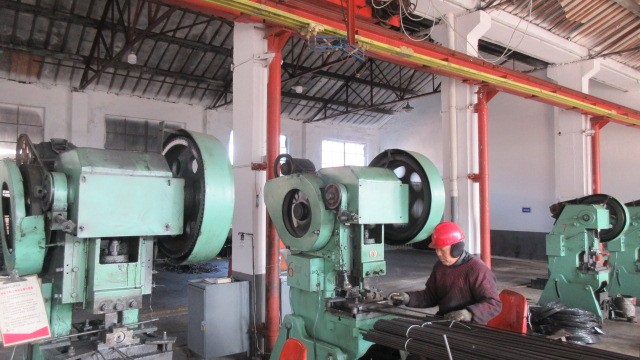
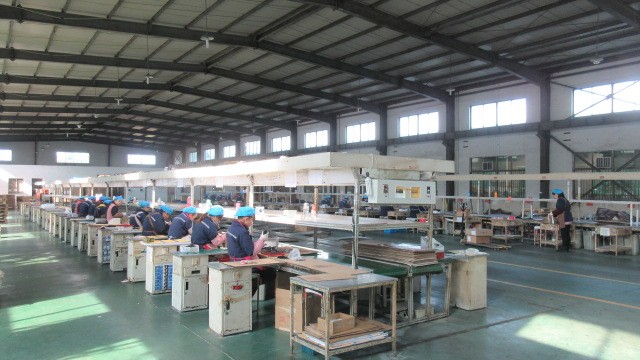
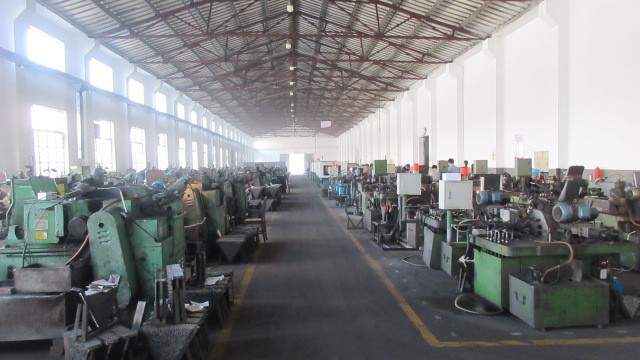
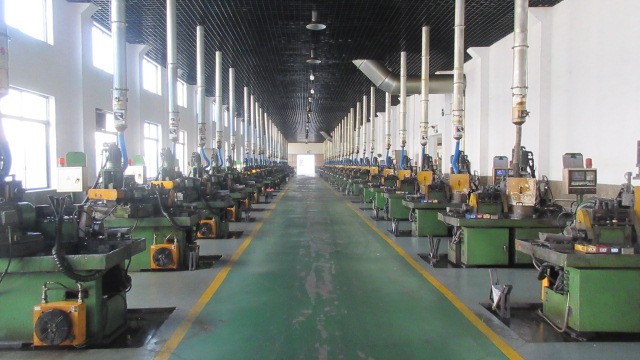
A visual look inside our engineering departments, automated stamping facilities, and product assembly halls.
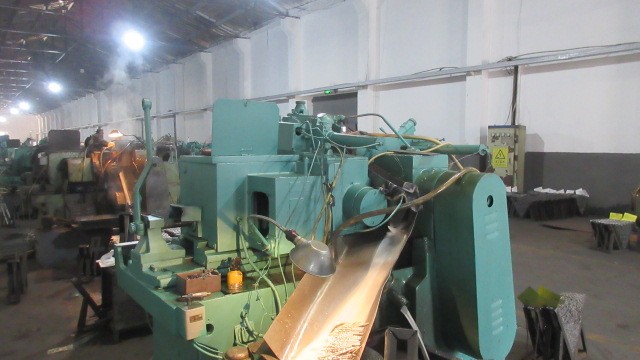
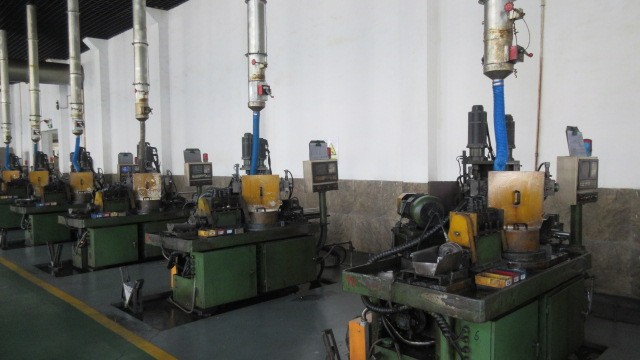


Critical inquiries addressed by our senior QA engineers and supply chain logistics directors.
Premium measuring, alignment, network, and high-performance electronics screwdriver assemblies.
 Booka Tool