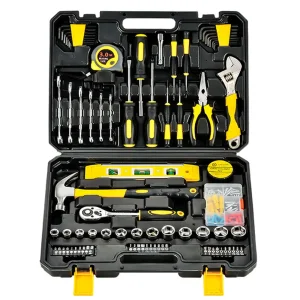
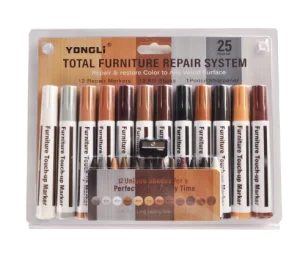
Explore our highly integrated engineering solutions designed for household maintenance, light industrial applications, and heavy infrastructure projects.
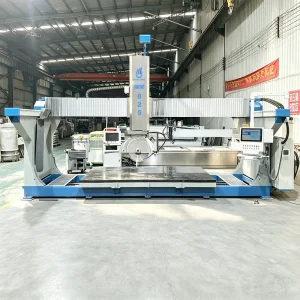
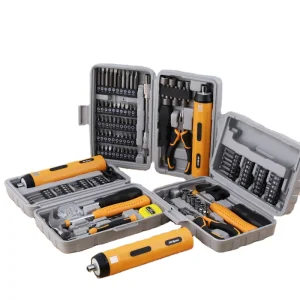
How global enterprises navigate the OEM landscape, determine precision specs, and select qualified manufacturing partners.
For global procurement managers, industrial supply chain buyers, and hardware brands, selecting a manufacturing partner for rotary tool kits is not merely a transaction—it is a critical integration of engineering capabilities, manufacturing quality assurance, and geopolitical risk mitigation. The global rotary tool market has transitioned from simple, brushed motor systems used for basic hobbies to highly advanced, brushless DC (BLDC) motor-driven platforms capable of sustaining continuous torque under varying load profiles.
To qualify as one of the Top 10 Rotary Tool Kits Factories & Suppliers, manufacturers must meet stringent compliance baselines, demonstrate technical maturity, and offer scalable supply chain logistics. This comprehensive guide details the key performance metrics, factory verification protocols, and optimization vectors required to build an efficient, secure supply network.
B2B buyer behavior research indicates that sourcing personnel prioritize operational capacity and technological leadership over raw price quotes. Sourcing decisions are typically driven by three primary variables:
Three core pillars of engineering and operational capability that dictate B2B vendor selection.
We evaluate concentricity and runout tolerance levels. Top-tier factories maintain a spindle runout of less than 0.05mm, ensuring smooth operation during precision micro-engraving.
Full conformance is required for regional markets, including CE, RoHS, UL, FCC, and GS markings. Sourcing partners must guarantee chemical safety in molded grips under Prop 65.
Integrated manufacturing capabilities, from in-house stator winding and plastic injection molding to final assembly, reduce production lead times by up to 25%.
To understand the growth and structural dynamics of Chinese tool manufacturers, we can examine the developmental trajectory of Foshan Booka Tool Co., Ltd. As a prominent specialist in home repair tools, DIY household maintenance equipment, and multi-function repair tool kits, Booka Tool represents the transition from local OEM workshops to highly automated international suppliers.
Initially operating as a regional workshop producing entry-level hand tools for basic home maintenance, the company recognized the shifting global demand toward DIY home improvement and multi-functional power tool configurations. During its expansion phase, the factory invested heavily in:
Today, Booka Tool serves a diverse global customer base, spanning DIY retailers, hardware distributors, cross-border e-commerce brands, and professional importers across Europe, North America, and Southeast Asia. Their product portfolio offers comprehensive coverage for general home maintenance, plumbing, electrical tasks, furniture assembly, and automotive emergencies.
| Evaluation Parameter | Standard OEM Factory Baseline | Advanced Manufacturer (e.g., Booka Tool) | B2B Sourcing Advantage |
|---|---|---|---|
| Spindle Runout Tolerance | < 0.15 mm | < 0.05 mm | Exceptional precision, lower heat generation, extended accessory lifespan |
| Motor Selection | Standard Brushed DC (low carbon brush life) | Advanced Brushless DC / High-torque Brushed | Increased durability, lower maintenance, consistent power output |
| Material Formulation | Recycled ABS / Generic Tool Steel | Virgin PA6-GF30 / Chrome Vanadium (Cr-V) | High drop resistance, high impact rating, professional grade feel |
| Compliance Certificates | CE only | UL, GS, CE, RoHS, FCC, Prop 65 | Frictionless customs clearing and legal compliance in all major markets |
China remains the center for manufacturing rotary tool kits and comprehensive hand tool sets. This dominance is supported by concentrated geographic industrial clusters located primarily in Guangdong (Foshan, Shenzhen, Dongguan) and Zhejiang (Ningbo, Jinhua, Yongkang). These regions offer significant B2B sourcing advantages:
Upstream Material Ecosystems: Raw materials, copper wire mills, battery pack assemblers, and plastic extrusion suppliers are located in close proximity, reducing transport costs and lead times. This ecosystem allows manufacturers to quickly adapt to custom designs and changing market needs.
Advanced Production and Customization: Factories in these clusters utilize advanced automated production methods. Automated stator winders, precision plastic injection molding, and computerized testing setups ensure consistent product quality. B2B clients benefit from highly flexible OEM and ODM services, enabling custom branding, modified accessory packages, and custom tool case configurations.
Operating in international markets requires compliance with local regulatory standards. Experienced manufacturers implement rigorous testing protocols to ensure products meet all legal and safety requirements at their destination:
The rotary tool industry is evolving rapidly, driven by advancements in battery chemistry and motor controls. The market is shifting from corded models to 12V and 20V cordless lithium-ion systems, offering users greater mobility without compromising performance. Modern tools also feature digital RPM displays and smart overload protection, protecting the motor and ensuring consistent torque. In response to global sustainability initiatives, manufacturers are incorporating post-consumer recycled (PCR) plastics into storage cases and reducing transit volume through optimized packaging.
Modern rotary tool kits are versatile instruments utilized across several key industries:
Expert answers addressing the technical, regulatory, and financial considerations of rotary tool manufacturing.
Explore our selection of specialized hand tool configurations, automated storage systems, and heavy-duty industrial equipment.
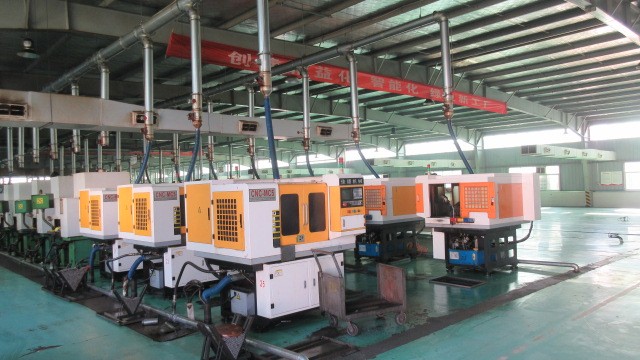
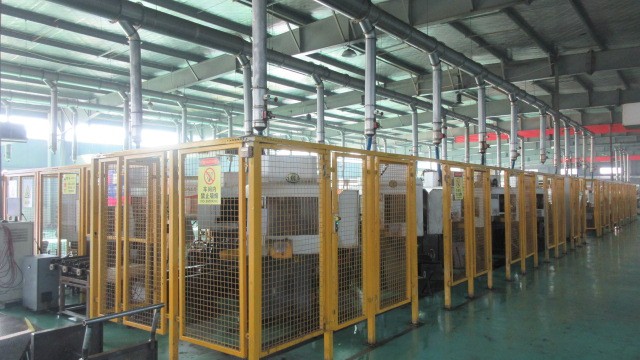
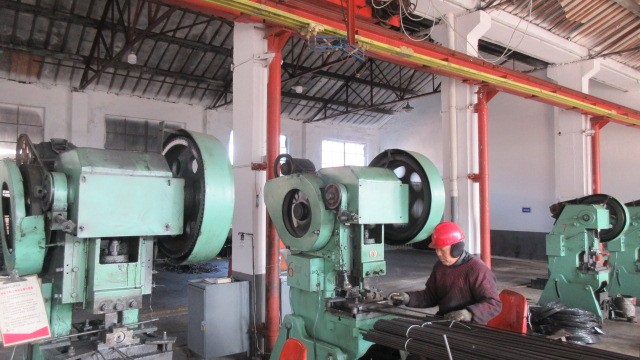
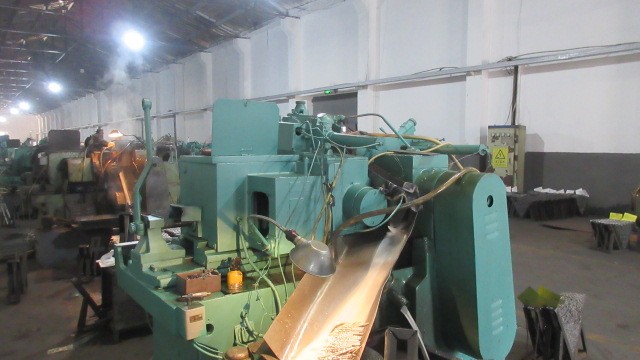
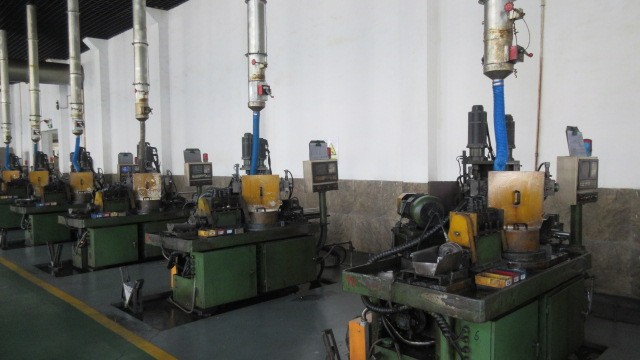
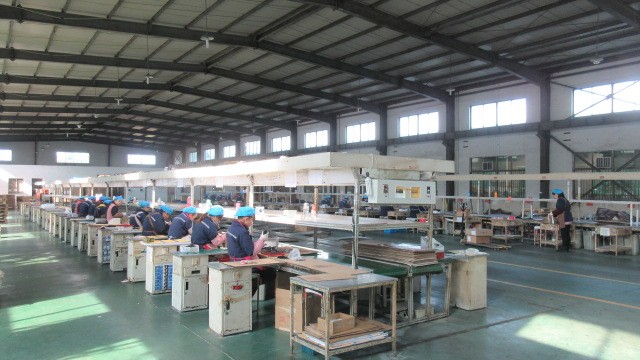
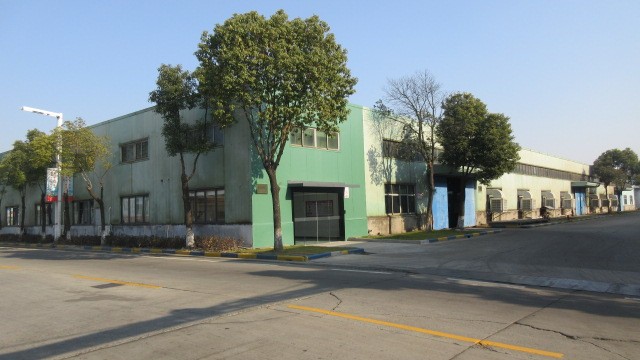
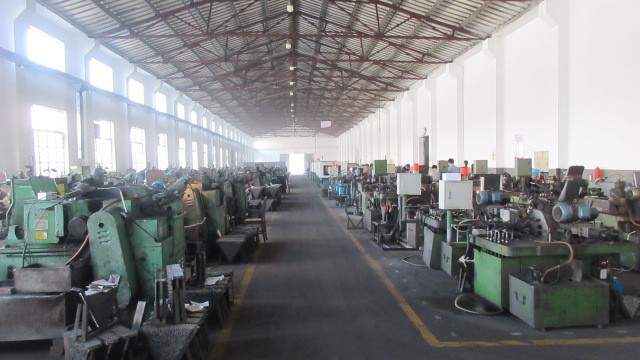
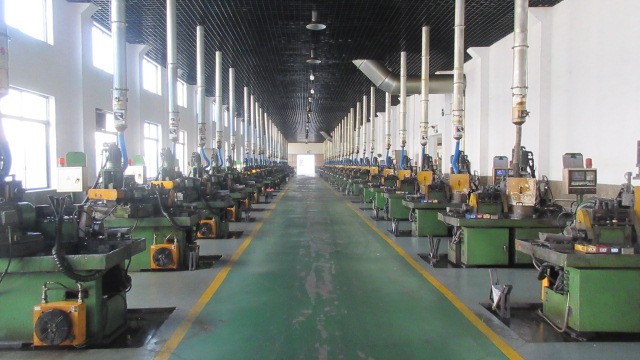
A transparent look inside our production facilities, quality control testing bays, and warehouse logistics operations.

 Booka Tool