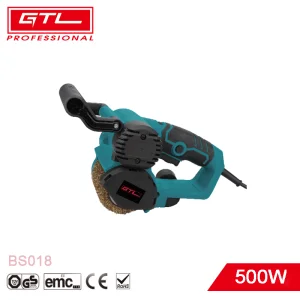
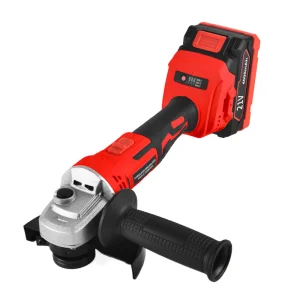
Engineered for high mechanical paint adhesion and micro-level surface flattening across Japan's industrial sectors.
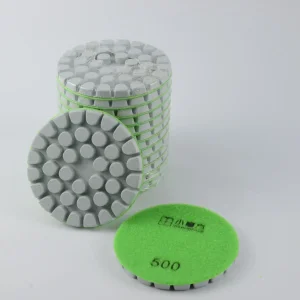
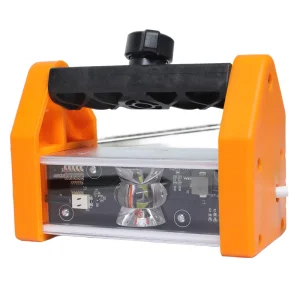
In the landscape of global manufacturing, Japan stands as a beacon of high quality, defined by the cultural ethos of Monozukuri (the art of manufacturing). The demands of Japan's automotive (centered around Aichi and Shizuoka), aerospace, and high-speed rail industries call for surface finishes that are micro-level flat, clean of contaminants, and optimized for perfect paint adhesion.
Our paint preparation and finishing tools are designed with these strict benchmarks in mind. Standard surface roughness metrics (Ra, Rz) are tightly monitored. When utilizing abrasive discs or leveling lamps, Japanese paint shops expect zero micro-scratching or swirl marks, as even a minor defect can cause paint peeling or failure under extreme speed and weather conditions.
Selecting the right grit material is vital for specialized finishes:
A quick comparative analysis of abrasive types used across precision Japanese industrial applications.
| Abrasive Material | Common Grit Range | Primary Japanese Target Industry | Key Performance Attribute |
|---|---|---|---|
| Ceramic Alumina (SG) | P36 - P120 | Osaka Marine & Heavy Machining | Extreme durability, self-sharpening cut rates |
| Silicon Carbide (SiC) | P180 - P3000 | Nagoya Automotive Paint Clearcoat Prep | Sharp cut, brittle fracture for mirror finishes |
| Aluminum Oxide (Al₂O₃) | P40 - P800 | General Metal fabrication & Woodworking | Cost-effective, versatile pressure-fracturing |
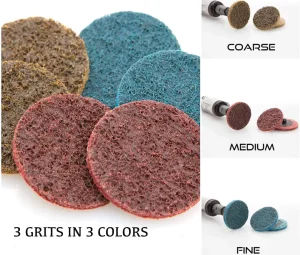
| Non-Woven Nylon Web | Medium / Very Fine / Ultra Fine | Aerospace Alloys & Stainless Buffing | Controlled contact area, minimizes workpiece heat |
Foshan Booka Tool Co., Ltd. is a professional manufacturer specializing in home repair tools, DIY household maintenance equipment, and multi-function repair tool kits. The company focuses on providing practical, durable, and user-friendly tool solutions designed for homeowners, DIY enthusiasts, and light maintenance professionals.
Since its establishment, Booka Tool has developed from a small local workshop into a dedicated household tool manufacturer serving both domestic and international markets. In its early stage, the company mainly produced basic hand tools for home maintenance and small repair tasks. With the growing demand for DIY home improvement solutions, the company expanded its production scope and began developing multi-functional tool kits designed for a wider range of household repair scenarios.
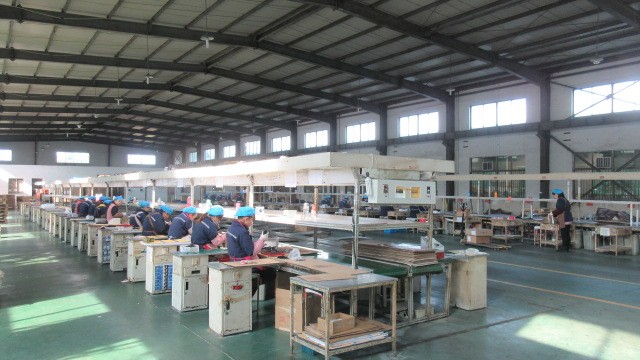
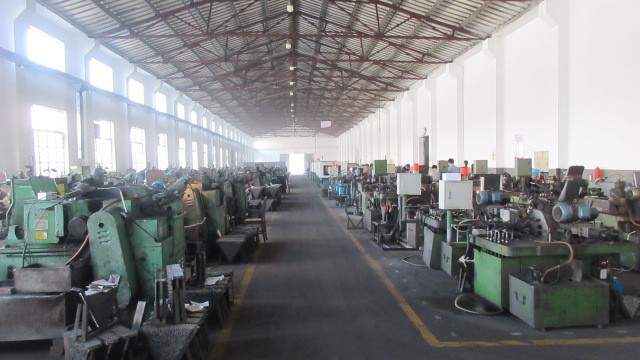
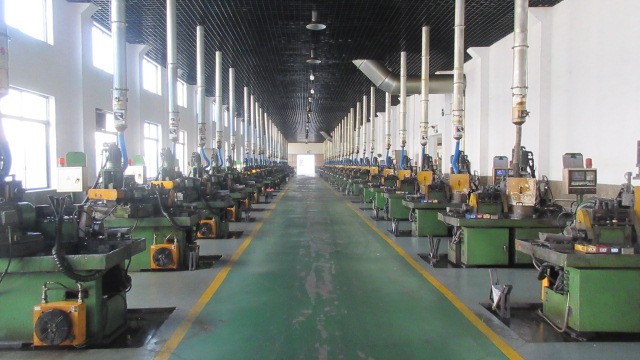
During its growth phase, Foshan Booka Tool invested in product engineering improvements, ergonomic handle design, and durable material selection to enhance user safety and efficiency. The company gradually built a complete production system including stamping, molding, assembly, and quality inspection processes to ensure consistency and reliability across all product lines.
By combining Chinese manufacturing agility with rigorous quality assurance, Booka Tool fills an important niche for global distributors who export and supply to paint finishing companies. Japan's domestic finishing market is highly protective and demanding, requiring strict product consistency and prompt engineering feedback.
Booka Tool supports custom OEM and ODM packaging, modified grit formulations, and precise hook-and-loop backing strength to prevent delamination during high-speed orbital sanding. This agile customization provides international distributors with a strong competitive edge.
Today, Booka Tool serves global customers including DIY retailers, hardware distributors, e-commerce platforms, and home improvement brands. Its product systems cover general home repair tools, plumbing and electrical maintenance tools, furniture assembly solutions, and emergency repair kits.
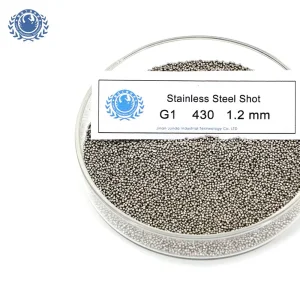
Partner With Us NowFrom high-grit automotive sanding discs to heavy-duty sandblasting and pipe-interior cleaning machines.
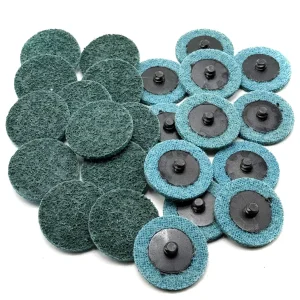
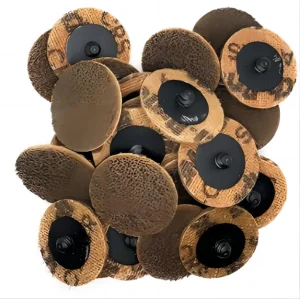
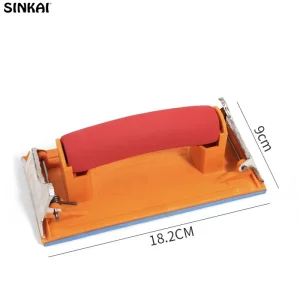
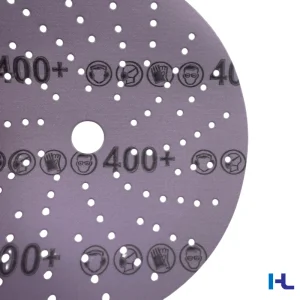
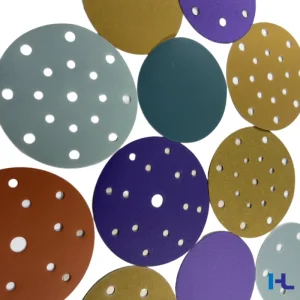
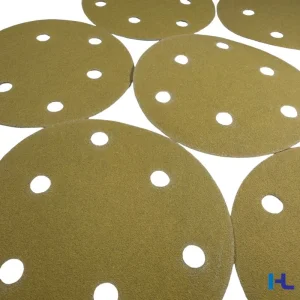
Precision surface treatment in Japan often takes place within dust-controlled spray paint rooms. The tools must integrate seamlessly with dust extraction machinery. For example, our Multiple Holes 150mm Purple Film Sanding Discs are designed with localized hole patterns to align with dust collection systems. This keeps the work surface free of debris and prevents dust from embedding in the wet paint film.
Additionally, industrial operations must comply with Japan's Industrial Safety and Health Act regarding organic solvent vapors and dust generation. By using sanding pads with efficient dust extraction channels, companies can reduce cleanroom particulate counts, protecting worker health and improving finish quality.
Traditional wet sanding presents wastewater disposal challenges that conflict with modern green policies. Because of this, Japanese workshops are increasingly shifting toward dry sanding systems. Successful dry sanding relies on anti-clogging coatings like calcium stearate to prevent dust loading on the abrasive surface.
By keeping the cutting face clear, these coatings prevent hot-spots and friction glaze, which can burn paint coatings. This technological improvement extends the service life of sanding discs, reducing downtime and tool changes on high-capacity assembly lines.
With a continued focus on innovation, practicality, and cost-effectiveness, Foshan Booka Tool Co., Ltd. provides efficient DIY and professional solutions that help users complete maintenance tasks easily and safely.
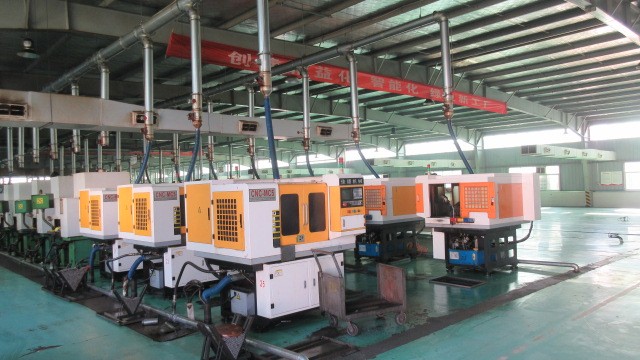
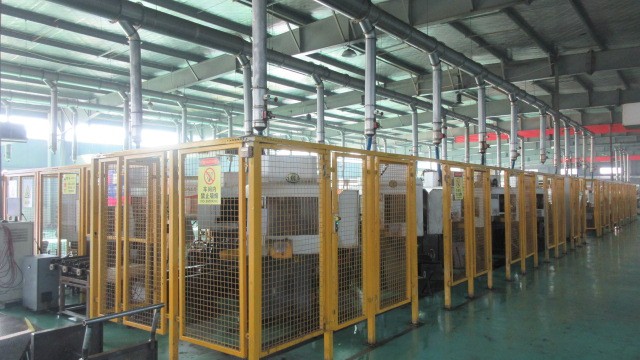
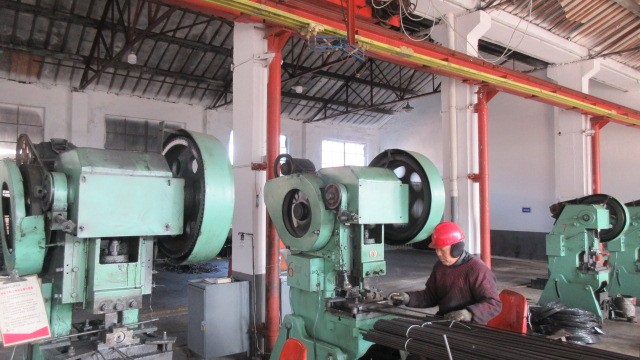
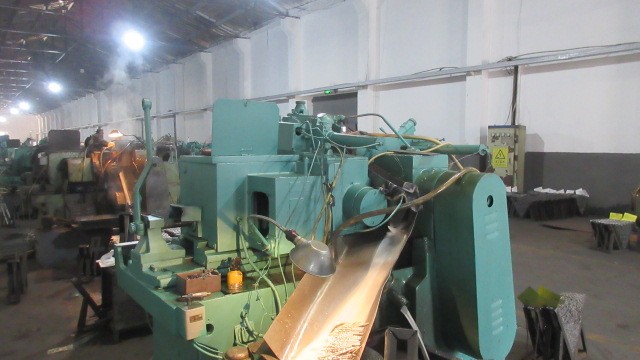
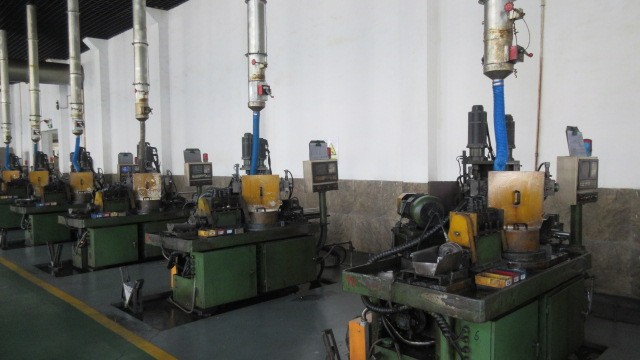
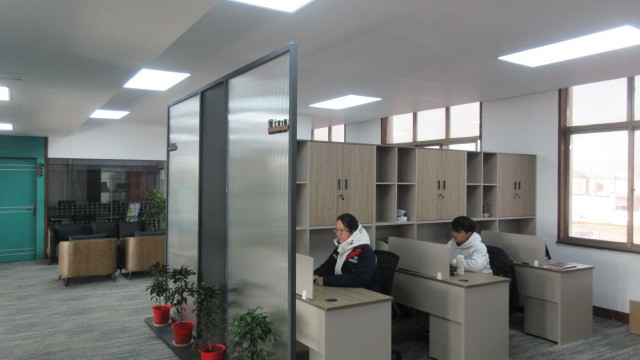

Analysing technological shifts in high-precision Japanese manufacturing facilities.
Automated polishing arms require backing pads with consistent density and weight to maintain programmed contact pressure. Minor variations in pad flexibility can disrupt robot feedback systems and compromise surface quality.
Industrial paint prep is shifting away from VOC-containing solvents. Because of this, Hook & Loop backings and structural adhesives must withstand high heat and water exposure without breaking down.
Modern ceramic grains wear down evenly, self-sharpening under light pressure. This allows operators to achieve a consistent scratch depth (Rz) throughout the lifetime of the disc.
Expert answers regarding material science, surface roughness parameters, and shipping logistics.
JIS (JIS R 6001) and European FEPA standards align closely at coarser grits (e.g., P80 to P220), but diverge at micro-grit ranges. For fine finishing, FEPA P1000 can match JIS 1000 to 1200 depending on the grit distribution curves. Our technical team provides comparative measurement sheets to ensure your paint prep processes maintain the correct scratch pattern.
Soft materials like automotive fillers and primers clog sand paper quickly, creating small lumps of trapped dust. These lumps cause deep scratches that show through the final topcoat. Our ceramic and yellow sanding papers use a zinc-stearate dry coating to reduce dust build-up, extending tool life and improving surface quality.
R-Type (Roll-On) features a threaded plastic button that screws directly onto a female mandrel holder. S-Type (Spin-On) uses a different locking mechanism. The R-Type connector is popular in Japan and Western markets for high-speed die grinders, allowing quick changes and reliable centering.
We use automated punching and molding presses paired with strict quality control. Representative samples from each batch undergo grit adhesion, speed rating, and wear tests. This quality assurance helps global distributors confidently supply demanding industrial markets like Japan.
Yes. We offer standard 6-hole, 8-hole, 15-hole, and multi-hole designs (such as mesh and spiral styles). Custom layouts can be manufactured to match specific Japanese sanding tools, ensuring maximum dust extraction and a cleaner workspace.
Get in touch with our engineering team for custom samples, bulk pricing, and specialized tool development tailored to your local industrial requirements.
Send Inquiry Now Booka Tool