Discover our range of advanced maintenance systems, precision woodworking equipment, and professional heavy-duty toolsets tailored for industrial operations.

In modern industrial manufacturing, compressed air is often referred to as the "fourth utility." Unlike electricity, water, or natural gas, which are supplied directly by municipal systems, compressed air is generated on-site by individual enterprises. This operational reality places the responsibility for generation quality, energy management, and thermodynamic performance squarely on the plant managers and industrial design engineers. Understanding the global transition toward high-efficiency air compressor systems is critical to driving productivity and lowering carbon footprints.
Historically, compressed air systems were judged strictly by their volumetric flow rates (CFM - Cubic Feet per Minute) and pressure thresholds (PSI - Pounds per Square Inch). However, the contemporary industrial ecosystem requires a holistic focus on Isentropic Efficiency, Specific Energy Requirement (SER), and Pressure Dew Point (PDP) regulation. Today's global procurement specialists look past basic mechanics to evaluate how smart integration controls energy loss. By transitioning from fixed-speed rotary screw machinery to multi-stage Variable Frequency Drive (VFD) technologies, organizations are realizing energy savings of up to 35% under variable load cycles.
The engineering matrix governing compressed air delivery is undergoing an accelerated digital transformation. Four key technological developments define this shift:
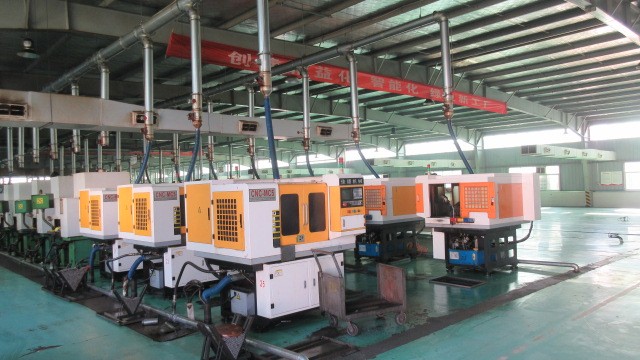
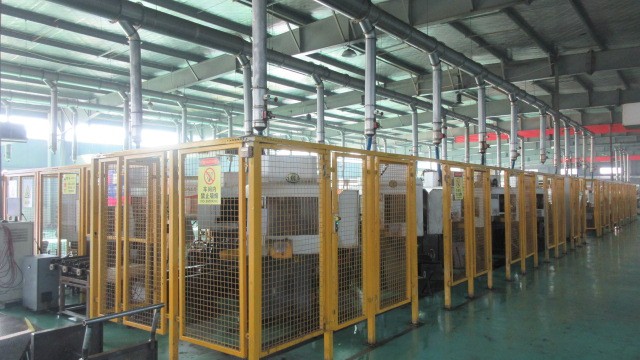
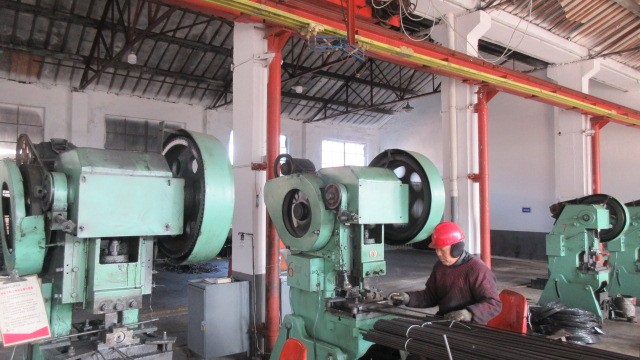
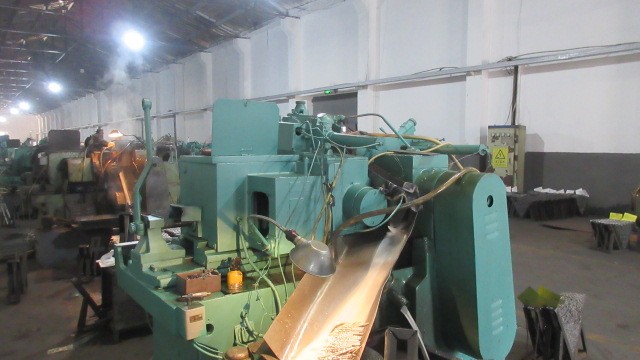
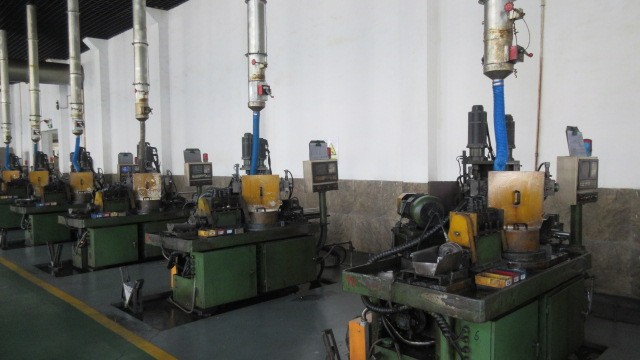
As the world's primary manufacturing hub, China has shifted from simple assembly operations to advanced high-tech production. "China Factory 4.0" represents a highly integrated supply chain that leverages raw material access, precision machining, and rapid engineering iterations. This vertical integration allows Chinese manufacturers to deliver highly durable, compliant, and cost-effective compressor solutions globally.
For international buyers, this operational model translates to shortened development cycles for customized configurations, robust quality assurance metrics, and reliable component sourcing. Chinese industrial clusters foster an ecosystem where motor manufacturers, metallurgy experts, control panel developers, and thermodynamic testing laboratories work in close proximity, minimizing lead times and logistical vulnerabilities.
Our design, manufacturing, and support frameworks conform to rigorous international quality protocols and application standards.
Utilizing high-efficiency motors (IE3/IE4 standard) and smart aerodynamic rotors to deliver maximum volumetric output while minimizing kilowatt-hour consumption.
All configurations are engineered to align with ASME pressure vessel codes, CE machinery directives, RoHS environmental guidelines, and ISO 9001:2015 QC requirements.
Built with premium components, wear-resistant bearings, and high-performance casting processes to guarantee continuous 24/7 operation in harsh environments.
Industrial applications present unique design challenges based on local environments and operational demands. A standardized layout is rarely sufficient for specialized requirements:
In highly automated automotive plants, pneumatic systems power structural robotic arms, clamping mechanisms, and spray painting systems. Even minor pressure drops or oil carryover can ruin paint finishes or disrupt automated positioning sensors. Integrating a dedicated VFD system with desiccant dryers ensures a steady supply of ultra-clean, pressurized air.
Heavy-duty civil engineering relies on air compressors to power rock drills, pneumatic breakers, and shotcrete machinery. These systems require high durability to withstand dust, grit, and extreme temperatures. Utilizing portable, diesel-driven rotary screw compressors with reinforced air filtration systems ensures reliable performance in demanding field conditions.
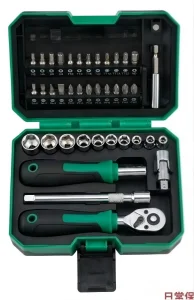
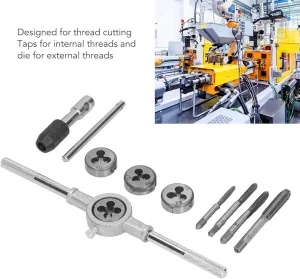
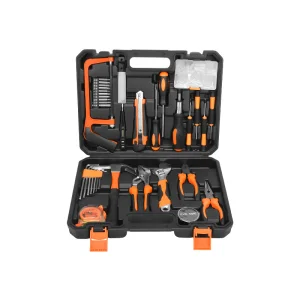
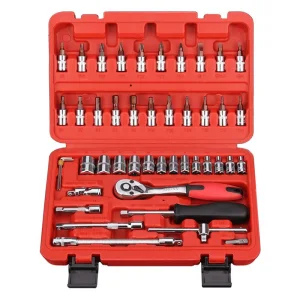
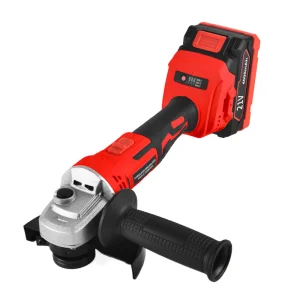
For light industry, home maintenance, and furniture production, compressed air supplies a variety of air tools, paint sprayers, and fastening hardware. This is where high-quality assembly tools and specialized hardware support play a vital role.
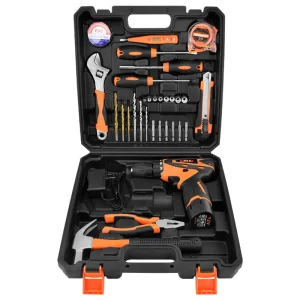
Foshan Booka Tool Co., Ltd. is a professional manufacturer specializing in home repair tools, DIY household maintenance equipment, and multi-function repair tool kits. The company focuses on providing practical, durable, and user-friendly tool solutions designed for homeowners, DIY enthusiasts, and light maintenance professionals.
Since its establishment, Booka Tool has developed from a small local workshop into a dedicated household tool manufacturer serving both domestic and international markets. In its early stage, the company mainly produced basic hand tools for home maintenance and small repair tasks. With the growing demand for DIY home improvement solutions, the company expanded its production scope and began developing multi-functional tool kits designed for a wider range of household repair scenarios.
During its growth phase, Foshan Booka Tool invested in product engineering improvements, ergonomic handle design, and durable material selection to enhance user safety and efficiency. The company gradually built a complete production system including stamping, molding, assembly, and quality inspection processes to ensure consistency and reliability across all product lines.
Today, Booka Tool serves global customers including DIY retailers, hardware distributors, e-commerce platforms, and home improvement brands. Its product systems cover general home repair tools, plumbing and electrical maintenance tools, furniture assembly solutions, and emergency repair kits.
With a continued focus on innovation, practicality, and cost-effectiveness, Foshan Booka Tool Co., Ltd. aims to become a trusted global supplier in the home repair tools industry, providing efficient DIY solutions that help users complete household maintenance tasks more easily and safely.
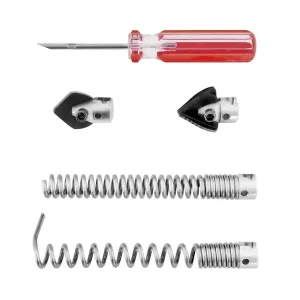
To support high-precision assembly and the maintenance of complex industrial systems like air compressors and piping circuits, Booka Tool provides essential tool sets, hardware systems, and maintenance kits to field engineers worldwide.

Get technical insights and professional answers regarding air compressor engineering, procurement, and maintenance.
ISO 8573-1 is the international standard governing air quality classes. It specifies maximum levels of contaminants (particulates, water, and oil) allowed in compressed air. Class 0 represents the highest air quality standard, guaranteeing zero oil contamination, which is critical for food processing, chemical production, and electronics manufacturing.
Traditional fixed-speed compressors run at 100% capacity even when air demand is low, wasting energy through bypass valves or venting. A VFD system automatically adjusts the motor speed to match real-time demand, significantly lowering energy consumption, reducing mechanical wear, and preventing pressure fluctuations in the delivery line.
Regularly inspect and replace line filters, maintain condensate drains to prevent water build-up, use ultrasonic leak detectors to locate leaks in the piping network, and ensure all downstream tools are correctly sized. Minimizing pressure drop reduces energy consumption and ensures consistent performance at point-of-use equipment.
Industrial compressors generate significant heat during the air compression process. A heat recovery exchanger can capture up to 90% of this thermal energy, transfer it to a liquid loop, and use it to heat water for boilers, processes, or HVAC heating, significantly reducing overall plant energy costs.
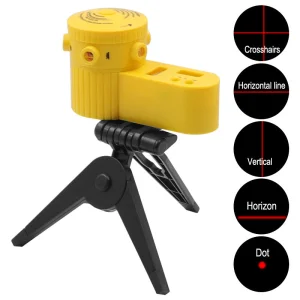
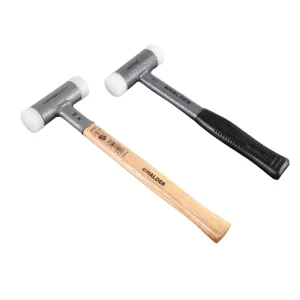
Complete your tooling infrastructure with our reliable storage units, calibration instruments, and heavy-duty hand tools.
 Booka Tool