Explore our foundational range of heavy-duty industrial tools, portable cranes, and custom maintenance equipment built for performance and accuracy.
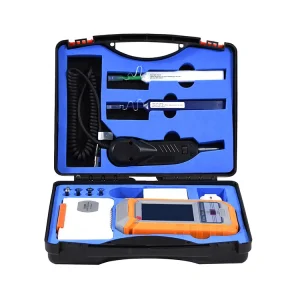
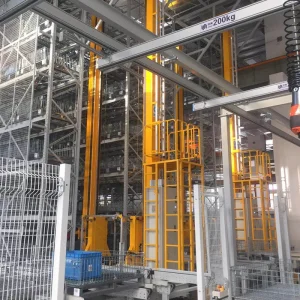
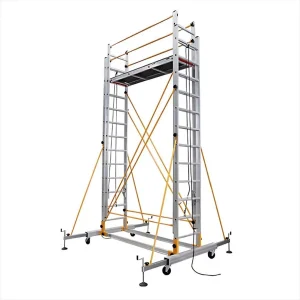
The global demand for metallic and non-metallic pipelines has experienced unprecedented structural shifts. Modern infrastructure requires precise tube and pipe fabrication to reduce pressure drops, leakages, and energy consumption. Traditional welding approaches are rapidly being phased out in favor of seamless bent-pipe systems, boosting the requirements for manual, hydraulic, and CNC electrical pipe bending solutions.
Whether in heavy automotive chassis production, petrochemical facilities, marine structural frame building, or standard HVAC installations, modern pipe benders must satisfy strict geometric tolerances. Material wall-thinning ratios, springback variations, and surface wrinkling have become key points of engineering focus. Standardized pipe bending is no longer sufficient. Industrial operators demand custom, multi-groove OEM configurations tailored to specific metallurgical grades and complex profiles.
Our solutions bridge the gap between high-volume manufacturing efficiency and specialized engineering tolerances, providing tools that optimize bending geometry across a wide spectrum of ductile metals.
A testament to continuous improvement, manufacturing excellence, and global service integration.
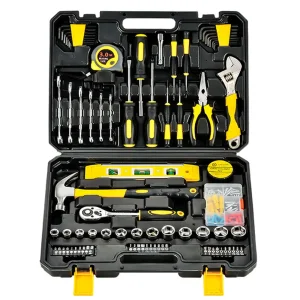
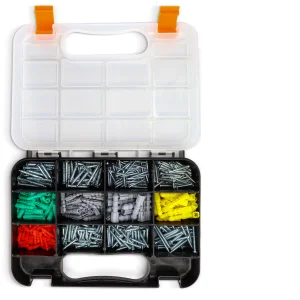
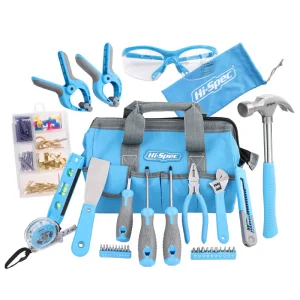
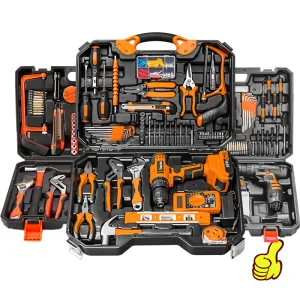
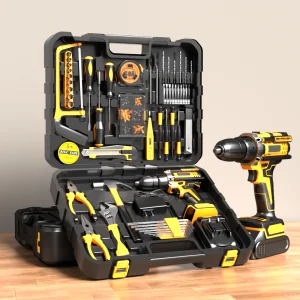
Foshan Booka Tool Co., Ltd. is a professional manufacturer specializing in home repair tools, DIY household maintenance equipment, and multi-function repair tool kits. The company focuses on providing practical, durable, and user-friendly tool solutions designed for homeowners, DIY enthusiasts, and light maintenance professionals.
Since its establishment, Booka Tool has developed from a small local workshop into a dedicated household tool manufacturer serving both domestic and international markets. In its early stage, the company mainly produced basic hand tools for home maintenance and small repair tasks. With the growing demand for DIY home improvement solutions, the company expanded its production scope and began developing multi-functional tool kits designed for a wider range of household repair scenarios.
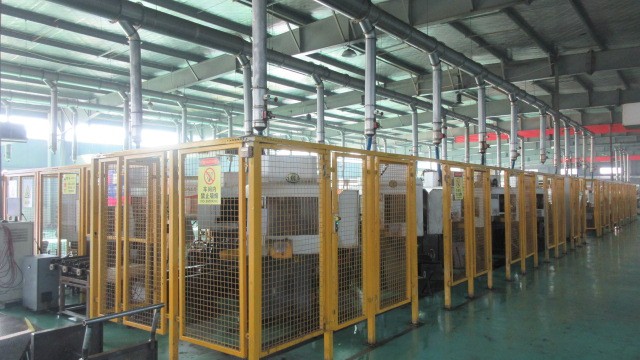
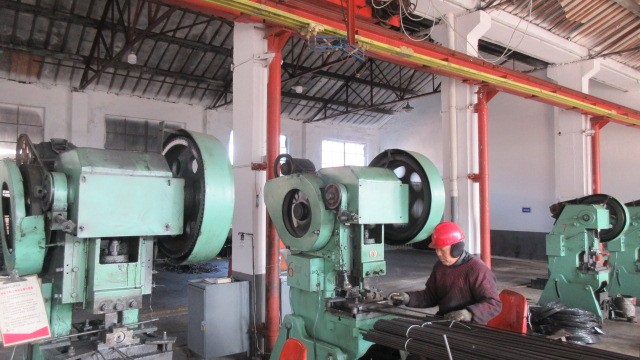
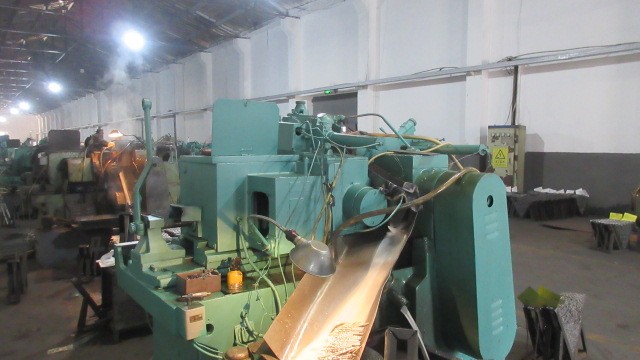
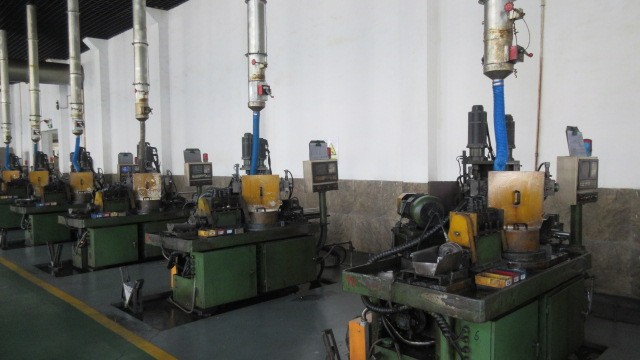
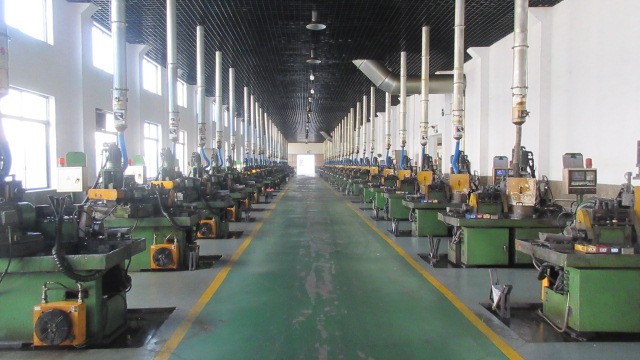
During its growth phase, Foshan Booka Tool invested in product engineering improvements, ergonomic handle design, and durable material selection to enhance user safety and efficiency. The company gradually built a complete production system including stamping, molding, assembly, and quality inspection processes to ensure consistency and reliability across all product lines. This continuous dedication to manufacturing systems allowed the brand to expand its capability into custom OEM pipe benders, manual heavy-duty tubing tools, and professional rigging assets.
Today, Booka Tool serves global customers including DIY retailers, hardware distributors, e-commerce platforms, and home improvement brands. Our comprehensive product systems cover general home repair tools, plumbing and electrical maintenance tools, structural scaffolding, furniture assembly solutions, and emergency repair kits. With a continued focus on innovation, practicality, and cost-effectiveness, Foshan Booka Tool Co., Ltd. aims to become a trusted global supplier in the home repair tools industry, providing efficient DIY and professional solutions that help users complete maintenance tasks more easily and safely.
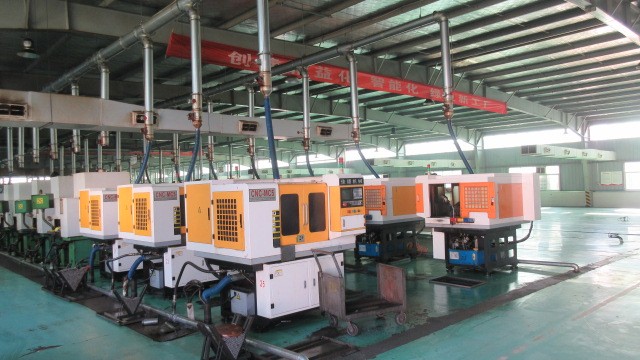
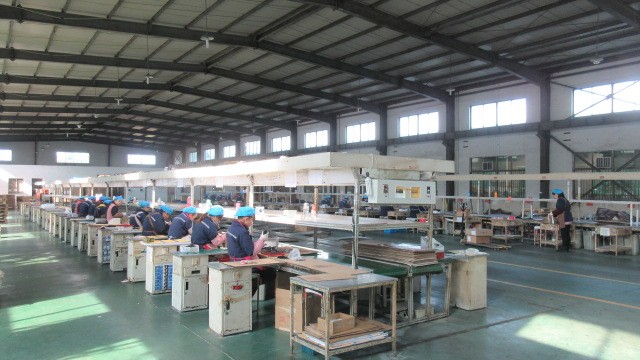
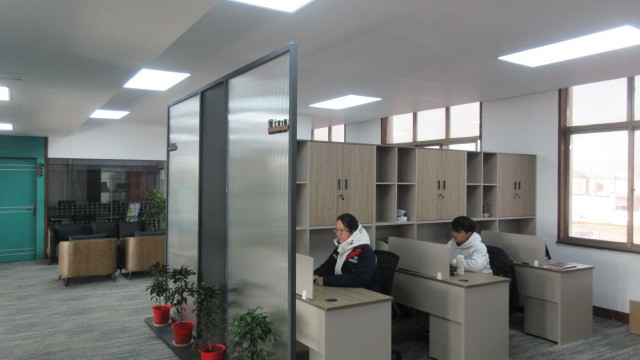
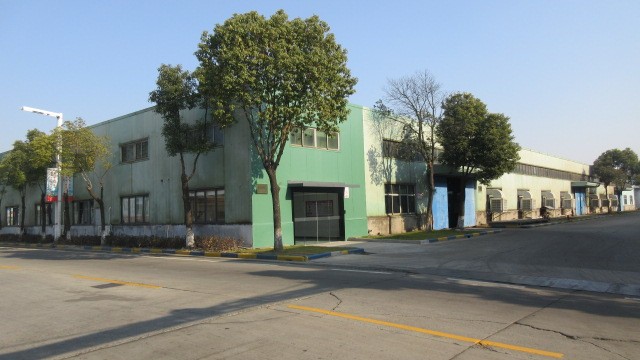
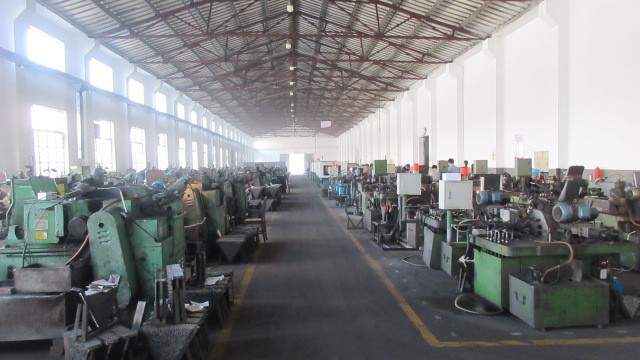
Engineering dies and mandrel configurations to match various mechanical grades without compromise.
We configure multi-groove and specialized bending dies for copper, brass, stainless steel, and carbon steel profiles. Custom radii ranges ensure structural stability while maintaining aesthetics and cross-sectional roundness.
By optimizing mandrel location tolerances, our design configurations keep outer wall thinning below the standard 12.5% threshold. Ideal for high-pressure fluid loops in industrial applications.
Different steel batches hold unique yield-to-tensile ratios. Our heavy-duty bending tools incorporate variable angle indicators and overbend settings to neutralize springback elasticity.
| Metal Grade | Yield Strength (MPa) | Recommended Bend Radius | Springback Index | Ideal Application Scenario |
|---|---|---|---|---|
| Copper C12200 (Soft annealed) | < 65 | 1.5D to 2D | 1° - 2° | HVAC Refrigeration Lines & Heat Exchangers |
| Stainless Steel 316L | 290 | 2.5D to 3D | 4° - 6° | Marine Fuel Rails & Sanitary Process Tubing |
| Carbon Steel (St37 / E235) | 235 | 2D | 2° - 3° | Automotive Exhaust & Hydraulic Fluid Loops |
| Aluminum 6061-T6 (Hardened) | 276 | 3D to 4D | 5° - 7° | Structural Frames & Aerospace Manifolds |
Adapting pipeline fabrication toolkits to local compliance mandates and diverse environmental conditions.
In residential and commercial buildings across North America and Europe, installers face strict space constraints in tight walls. Copper tubes must be bent efficiently without kinks to prevent pressure drops in R410A / R32 refrigerant lines. Utilizing our ergonomic manual and hydraulic multi-size benders helps technicians complete bends safely, saving up to 40% in coupling costs and reducing the risk of joint leaks.
Using custom multi-groove bending blocks, technicians achieved continuous 180-degree loops with minimal drag coefficients. This configuration bypassed multiple solder points, satisfying standard green building codes.
High exhaust velocity requires continuous, smooth tube profiles with minimal ovalization. In manufacturing centers across Germany, Japan, and the USA, custom OEM mandrel tools are integrated into machinery to bend thin-walled aluminized steel and titanium alloys. Minimizing flow turbulence is critical for optimizing backpressure and engine efficiency.
Our OEM tooling allows thin-walled exhaust lines (1.2mm thickness) to achieve clean bends with an ovality rate below 4.5%, bypassing the need for expensive secondary calibrating cycles.
For safety-critical structures, such as heavy mobile scaffolding or modular frame systems, structural integrity cannot be compromised. Under the ANSI/ASSE and European EN standards, tube bending at corners must not cause micro-fractures in welded seams or cold-formed channels. Our industrial-grade hydraulic rams deliver even pressure, preventing structural micro-cracks.
By bending load-bearing frame corners with uniform radius tooling, structural strength is kept at maximum capacity, satisfying demanding jobsite safety inspections.
Aligning manufacturing workflows with international quality audits and import regulations.
To serve as a trusted international partner, Foshan Booka Tool aligns its processes with global quality frameworks. Every batch of tools undergoes quality checks before packaging to guarantee durable performance. Our QA system focuses on three key areas:
Compliance Guarantee: We supply certified material test reports (MTRs) and wear-rate estimates with every custom OEM order, giving engineers peace of mind during installation.
Innovating for Industry 4.0, zero-defect bending operations, and carbon-neutral production.
Our upcoming generation of bending tools features sensor interfaces that measure material resilience in real-time, adjusting bending force dynamically to achieve precise shapes on the first try.
We are engineering tool components using advanced lightweight composite alloys, reducing machine weight by 30% while retaining the strength required for heavy steel bending.
Future industrial hydraulic lines will feature Bluetooth-enabled pressure gauges, allowing maintenance teams to track performance and predict wear via mobile application systems.
Detailed answers to common questions about tooling configurations, springback, and custom manufacturing.
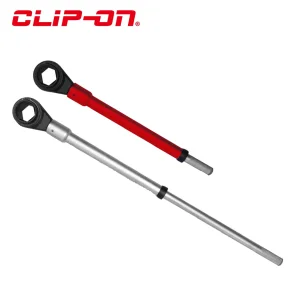
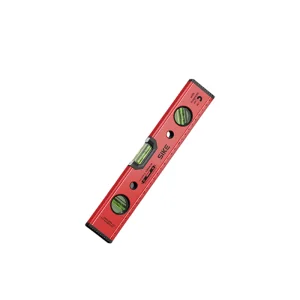
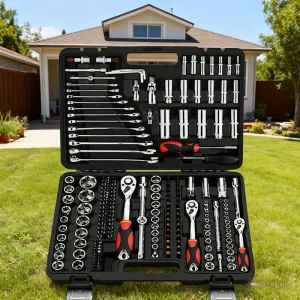
Heavy-duty pipeline maintenance kits, alignment levels, and specialized hand tool sets designed for challenging worksite demands.
 Booka Tool