Engineered for durability, ergonomics, and high-performance workflow execution across diverse production sectors.
How regulatory compliance, labor safety costs, and automated logistics are redefining hand tool design rules globally.
Across the global manufacturing, assembly, and logistics sectors, the standard utility knife has evolved from a simple mechanical blade holder to a highly engineered safety device. The primary driver behind this transition is a concerted effort by risk management departments and global regulatory bodies to minimize occupational lacerations. Workplace injuries caused by traditional open-blade cutters represent a significant percentage of annual industrial insurance claims. By partnering with leading safety knives factories and exporters, enterprises can deploy engineered cutters that mitigate hazard exposure, lower insurance premiums, and optimize operational throughput.
Modern safety knives incorporate smart mechanics, such as auto-retracting systems, spring-loaded guards, and concealed blades. These features decouple safety compliance from user behavior. In high-speed logistical hubs where workers open thousands of boxes daily, physical fatigue can lead to improper cutting postures. If the safety mechanisms are structural parts of the tool, risk is neutralized at the source. Consequently, selecting a high-performing exporter is no longer a matter of checking pricing lists; it involves verifying safety tolerances, blade chemistry, and ergonomic certifications.
Precision solutions engineered to meet the structural demands of specific industrial verticals.
High-frequency opening of triple-wall corrugated shipping boxes, stretching bands, and heavy-duty shrink wraps. Auto-retracting safety cutters prevent internal product damage and laceration incidents during rapid unboxing workflows.
Unpacking heavy component pallets and cutting multi-layered protective sheeting. Specialized metal-detectable safety knives and composite body constructions ensure no foreign materials disrupt precision assembly machinery.
Sterile environments require blades engineered from surgical stainless steel or food-safe technical ceramics. Exporters supply models featuring completely enclosed blades, which eliminate the risk of loose blades entering processing lines.
A deep dive into advanced production methodology, historical growth, and custom industrial manufacturing capabilities.
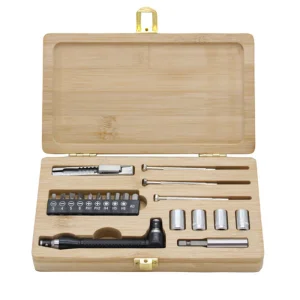
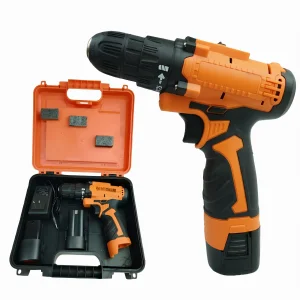
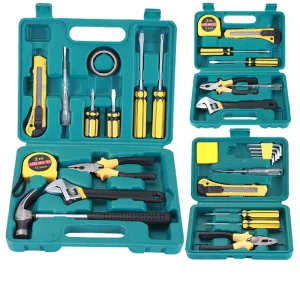
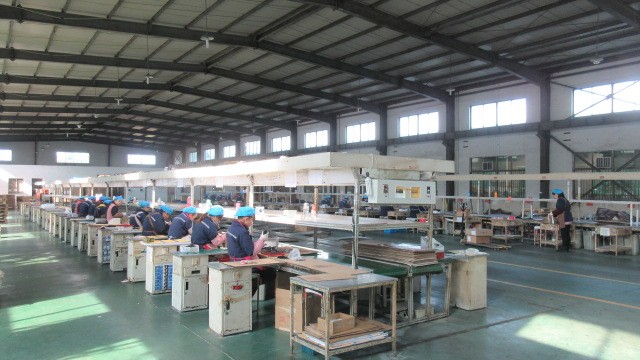
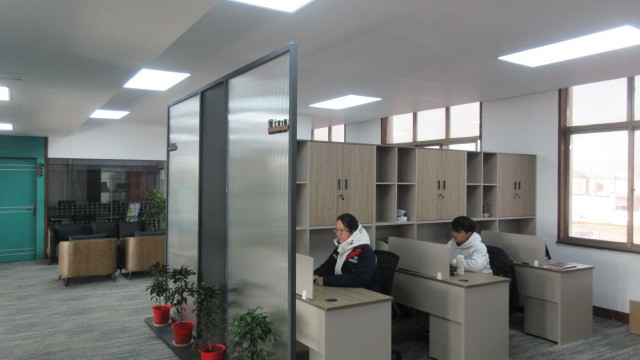
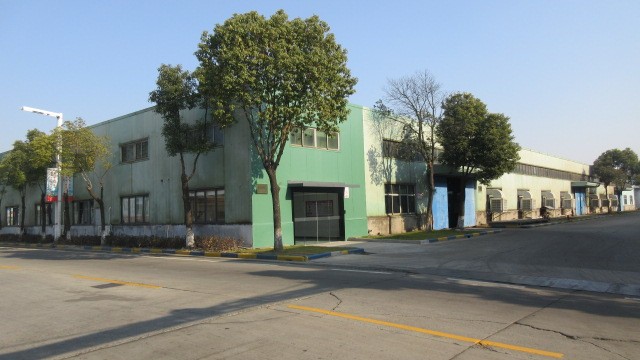
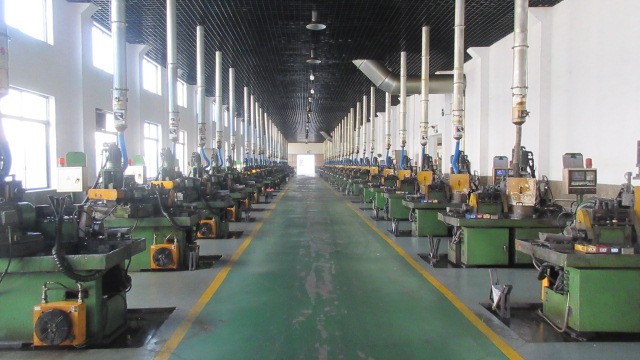
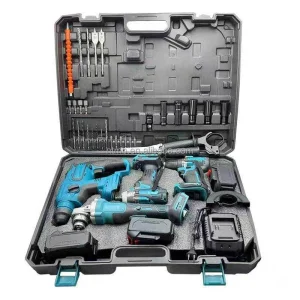
Foshan Booka Tool Co., Ltd. is a professional manufacturer specializing in home repair tools, DIY household maintenance equipment, and multi-function repair tool kits. The company focuses on providing practical, durable, and user-friendly tool solutions designed for homeowners, DIY enthusiasts, and light maintenance professionals.
Since its establishment, Booka Tool has developed from a small local workshop into a dedicated household tool manufacturer serving both domestic and international markets. In its early stage, the company mainly produced basic hand tools for home maintenance and small repair tasks. With the growing demand for DIY home improvement solutions, the company expanded its production scope and began developing multi-functional tool kits designed for a wider range of household repair scenarios.
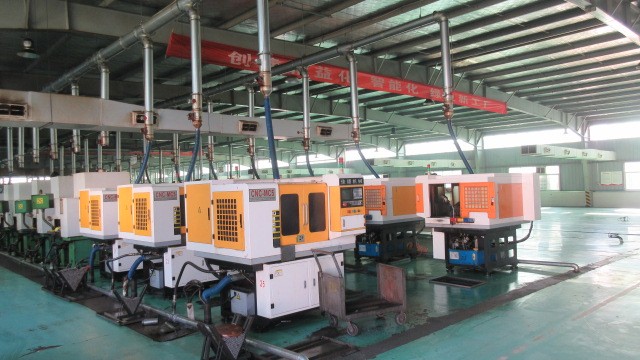
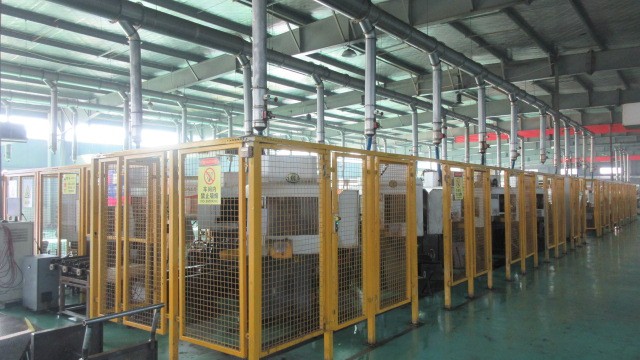
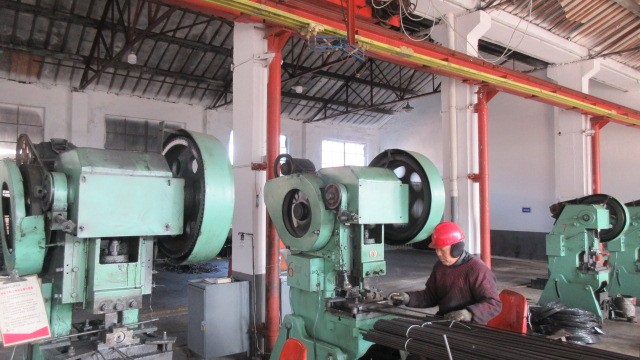
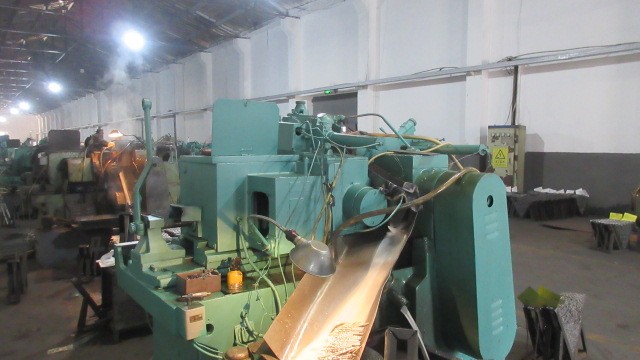
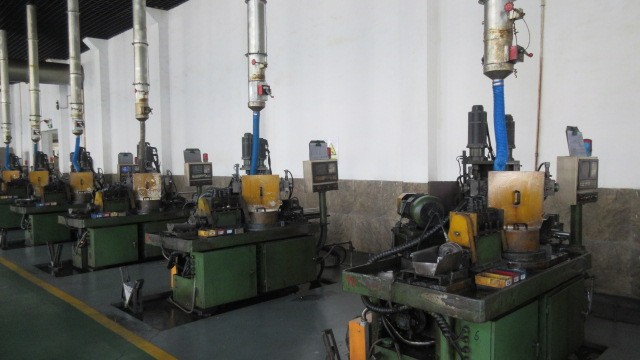
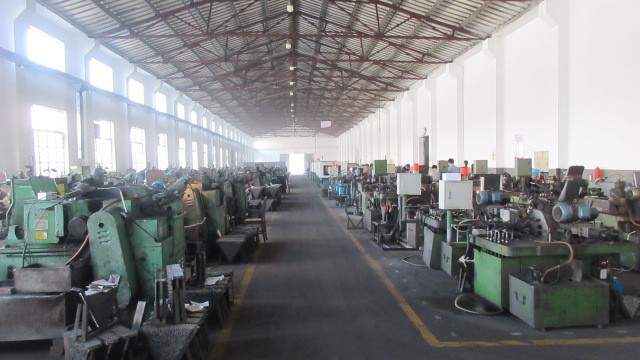
During its growth phase, Foshan Booka Tool invested in product engineering improvements, ergonomic handle design, and durable material selection to enhance user safety and efficiency. The company gradually built a complete production system including stamping, molding, assembly, and quality inspection processes to ensure consistency and reliability across all product lines.
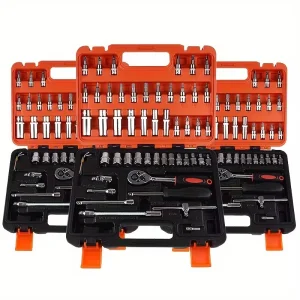
Today, Booka Tool serves global customers including DIY retailers, hardware distributors, e-commerce platforms, and home improvement brands. Its product systems cover general home repair tools, plumbing and electrical maintenance tools, furniture assembly solutions, and emergency repair kits. With a continued focus on innovation, practicality, and cost-effectiveness, Foshan Booka Tool Co., Ltd. aims to become a trusted global supplier in the home repair tools industry, providing efficient DIY solutions that help users complete household maintenance tasks more easily and safely.
The technological pathways advancing the safety tool industry over the next decade.
Leading exporters are looking beyond traditional steel alloys to find the next generation of durable blade designs. Innovation in materials science, particularly the use of zirconium oxide (advanced ceramic), has introduced blades that retain their cutting edge significantly longer than carbon steel counterparts. Ceramic blades are chemically inert, non-corrosive, non-magnetic, and oil-free, making them ideal for specialized manufacturing pipelines like battery assembly and chemical production.
In addition to material changes, ergonomics and sensor technology are reshaping how safety knives function. Future roadmaps point to active-retraction tools that use capacitive sensors. These systems detect human skin and instantly pull the blade back, regardless of whether the operator is holding the slider in place. Integrated chips can also track blade wear, alerting plant managers when a cutting tool needs replacement to maintain peak cutting efficiency.
Widespread transition to zirconium oxide formulations. These blades stay sharp up to 11 times longer than standard carbon steel, reducing tool replacement overheads.
Handles dynamically adjust their internal spring-load based on the material density, reducing hand strain and mitigating Repetitive Strain Injuries (RSI).
Blades are paired with microscopic micro-sensors to monitor physical wear and alert production systems, ensuring optimal cutting quality.
Navigating certification, shipping protocols, and localized supply chain integration.
Adhering strictly to GS-Mark, CE, ANSI, and ISO 9001 quality systems. Exporters confirm mechanical performance tolerances via independent testing agencies.
Reliable factories maintain deep stocks of standard blades and plastic components, offering short lead times and flexible custom design services.
Exporters align products with international chemical and material safety rules, including RoHS and REACH directives for non-hazardous materials.
Answers to key questions concerning technical specs, procurement, and usage standards.
Designed for commercial workshops, automotive garages, and high-precision assembly floors.
 Booka Tool