Designed for clean structural drilling, facade cladding, and heavy stabilization tasks across Luxembourg
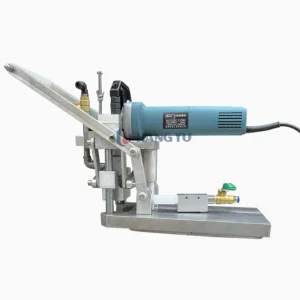
Luxembourg represents a unique geological and structural environment. From the steep slopes and historical sandstone fortifications of Luxembourg City to the cutting-edge commercial buildings of the Kirchberg Plateau, fixing and anchoring technology must satisfy dual demands: heavy structural safety (Eurocode compliant) and compatibility with complex local substrates like soft Luxembourg sandstone, schist, and high-performance concrete composites.
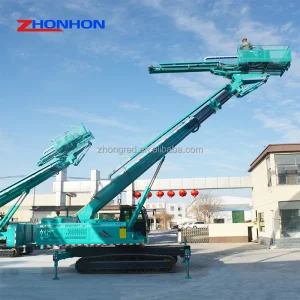
Our heavy anchoring machinery, self-drilling anchor bolts, and specialized stone cladding drills provide regional contractors with the robust precision required for tunnels, structural retaining walls, and modern double-skin facade installations. In Luxembourg, seismic and structural dynamic loads are strictly calculated. High-quality anchoring is no longer a matter of basic hardware, but of integrated geotechnical and structural safety design.
Globally, the wall drilling and anchoring market is undergoing a rapid transition toward automated installations, chemical-mechanical hybrid anchors, and self-drilling technologies. The objective is clear: reduce labor time on-site while eliminating the installation errors that cause anchor failures.
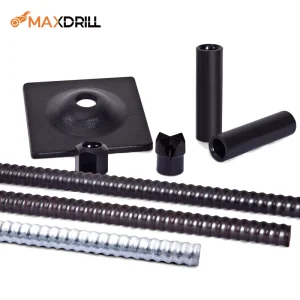
Self-drilling anchor (SDA) systems have become the global standard for unstable ground conditions, replacing classic casing and drilling methods. By using hollow-core anchor rods that act as both drill string and grouting tube, projects proceed twice as fast, minimizing slope collapse hazards. On the residential and commercial side, heavy-duty composite wall plug kits, including high-strength carbon steel and nylon components, are capturing major market shares due to the growing global adoption of dry lining and insulated sandwich wall systems.
Industrial Excellence & High-Performance Manufacturing Infrastructure for Global Markets
Foshan Booka Tool Co., Ltd. is a professional manufacturer specializing in home repair tools, DIY household maintenance equipment, and multi-function repair tool kits. The company focuses on providing practical, durable, and user-friendly tool solutions designed for homeowners, DIY enthusiasts, and light maintenance professionals.
Since its establishment, Booka Tool has developed from a small local workshop into a dedicated household tool manufacturer serving both domestic and international markets. In its early stage, the company mainly produced basic hand tools for home maintenance and small repair tasks. With the growing demand for DIY home improvement solutions, the company expanded its production scope and began developing multi-functional tool kits designed for a wider range of household repair scenarios.
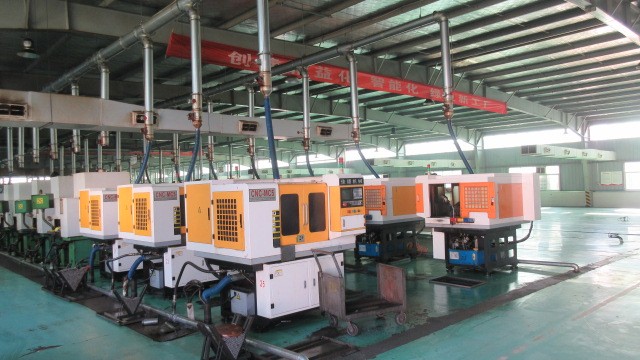
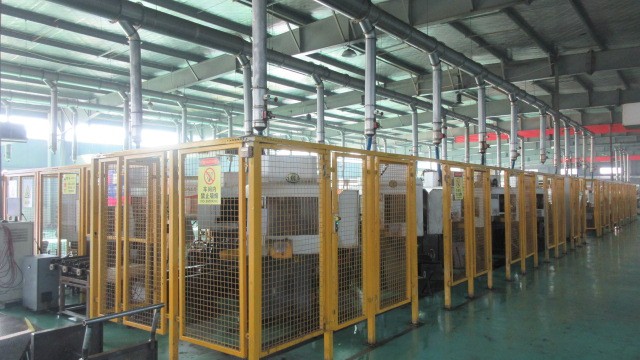
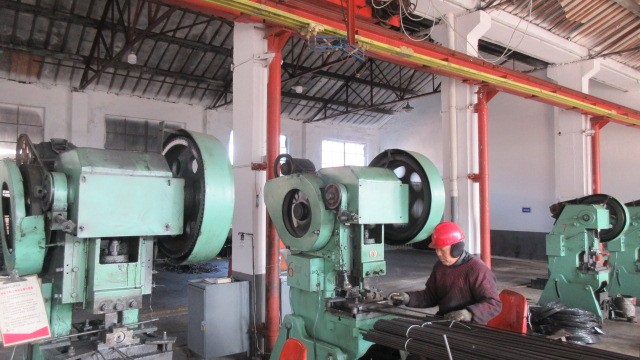
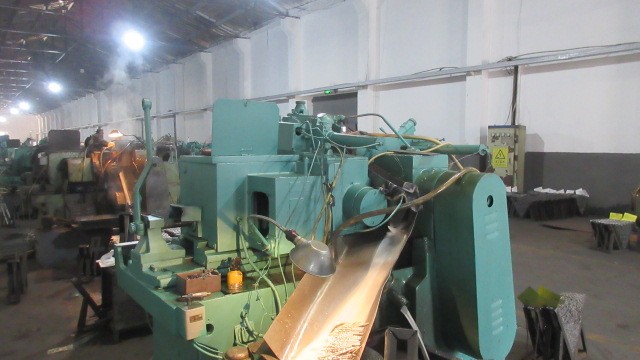
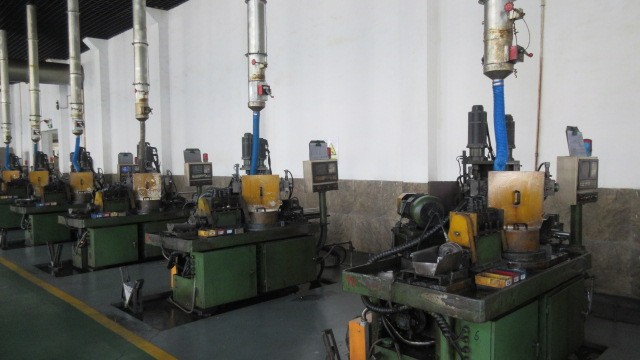
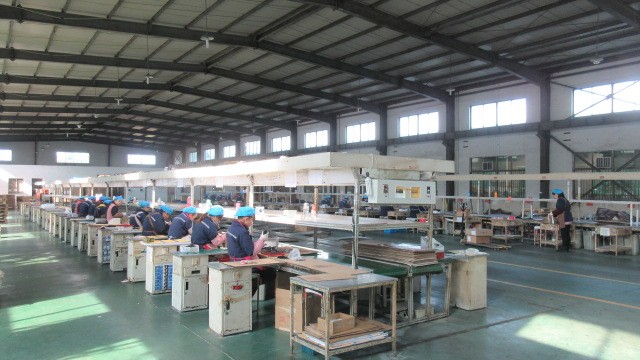
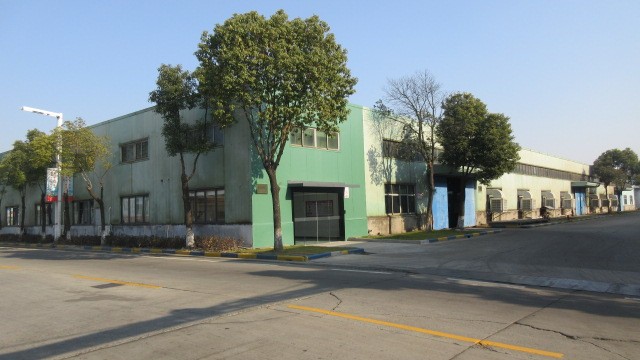
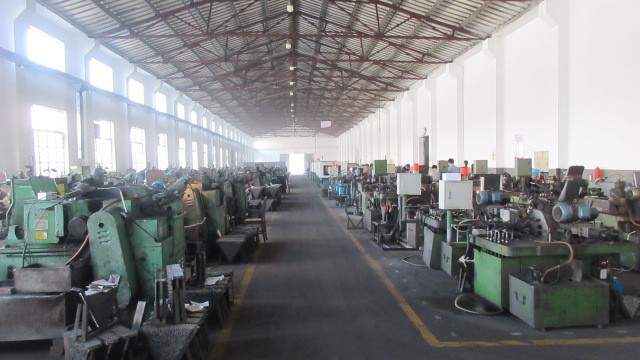
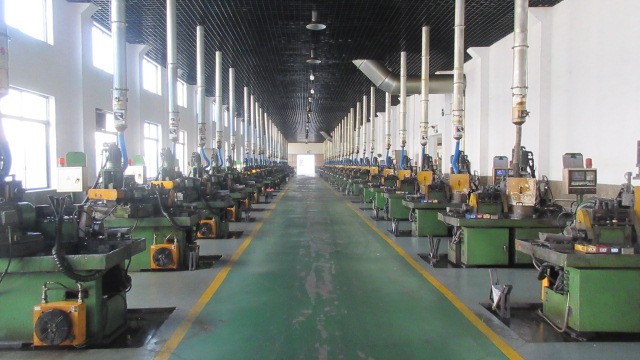
During its growth phase, Foshan Booka Tool invested in product engineering improvements, ergonomic handle design, and durable material selection to enhance user safety and efficiency. The company gradually built a complete production system including stamping, molding, assembly, and quality inspection processes to ensure consistency and reliability across all product lines. Today, Booka Tool serves global customers including DIY retailers, hardware distributors, e-commerce platforms, and home improvement brands. Its product systems cover general home repair tools, plumbing and electrical maintenance tools, furniture assembly solutions, and emergency repair kits.
Comprehensive load-bearing and wear resistance checks prior to packaging.
Carbon steel, high-tensile zinc alloys, and robust nylon moldings ensure long lifespan.
Continuous development of multi-functional kits for professionals and DIYers alike.
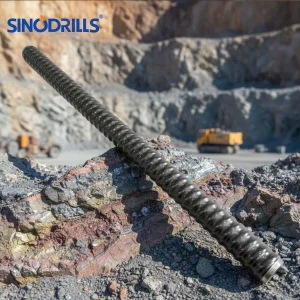
Heavy duty self-drilling bolts designed for tunneling, slope reinforcement, and deep underground foundations in Europe
Translating structural science into high-reliability anchoring applications
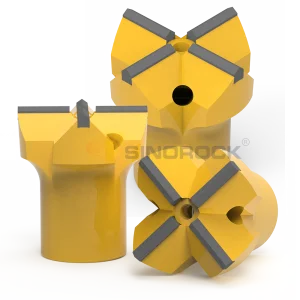
Securing structural stone facade panels requires drilling geometric undercut holes in the back of the panel. Our undercut stone drills ensure zero expansion stress on the natural stone panels. During thermal cycles, which are severe in Central Europe, the panel can contract and expand freely on the anchor sleeve, eliminating localized fracture risk. This system complies with the strict facade regulations mandated by regional European building commissions.
In geotechnical projects such as the stabilization of slope roads near the Luxembourg Ardennes, drilling in unstable soil runs the risk of borehole collapse. The SDA hollow bar handles drilling, installation, and final cementitious grouting in one dynamic continuous workflow. The hollow core of the steel bar acts as the channel for flushing and subsequent grout slurry pumping. This ensures an unbroken bond between the anchor sleeve, grout, and surrounding rock substrate.
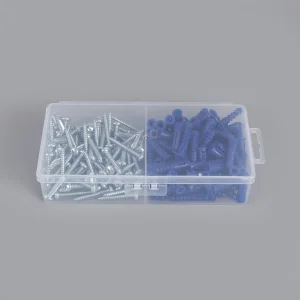
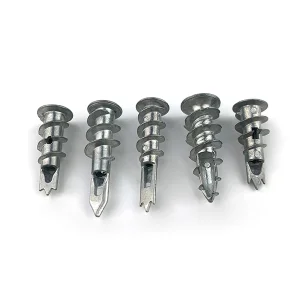
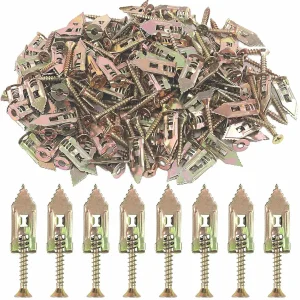
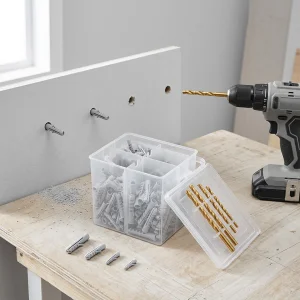
For architectural interior fit-outs in commercial projects, our heavy-duty zinc alloy and molded nylon drywall plugs provide unmatched performance. Normal plastic wall plugs fail under shear stress when subjected to cantilevered loads like screens, plumbing conduits, or heavy mechanical racks. Our self-drilling metal plugs split and compress cleanly behind drywall substrates, ensuring a positive lock that distributes mechanical weight over a wider surface area.
We leverage high-strength carbon steels (e.g., Q355B class) and precision-molded polymers. Hardened steel ensures high shear capabilities for structural crane ties, while zinc-aluminum plating provides superior resistance to corrosion in high-humidity climates characteristic of Luxembourg's winter months.
Solving complex anchoring challenges under strict European structural guidelines
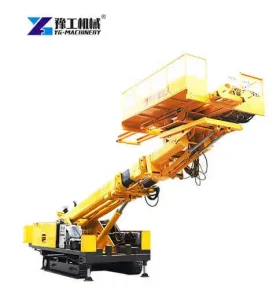
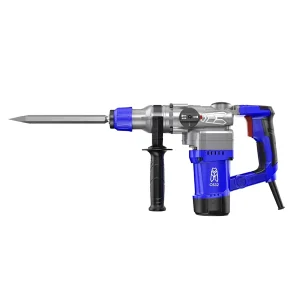
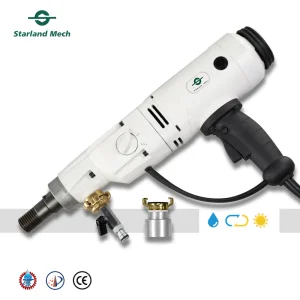
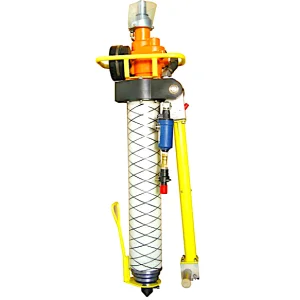
Modernization of local rail and road connections in Luxembourg, especially near valleys and historic stone arches, requires non-destructive and heavy-stabilization anchoring methods. Our pneumatic anchor drills and slope protection grouting machines allow contractors to secure loose stone formations without causing macro-fracturing to neighboring historic buildings.
Rainscreen cladding facade installations are standard in modern office buildings across the Kirchberg area. These curtain walls require anchoring holes with zero stress. Our undercut stone drill rigs generate the back-flanged socket necessary to secure heavy granite or basalt cladding panels, maintaining architectural aesthetics while ensuring wind resistance up to hurricane categories.
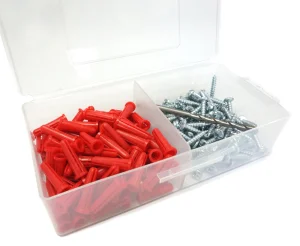
With massive housing expansion projects under way in districts like Cloche d'Or, interior plasterboard structural capacity is crucial. Standard expansion plugs yield under shear stress. The utilization of our 201-piece heavy-duty drywall anchor kits ensures that drywall partitions can handle mechanical attachments (HVAC systems, light structural frames) securely, reducing post-installation maintenance requests.
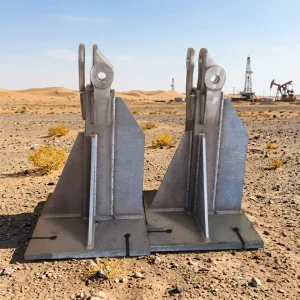
Luxembourg's density of high-rise construction means tower cranes are continually installed. Securing these cranes to concrete frame buildings requires high-strength steel wall tie anchors. Utilizing precision CNC-drilled Q355B steel brackets guarantees zero structural creep under maximum operational load cycles.
Industrial wall drilling, concrete anchoring kits, and heavy machinery for professional contractors
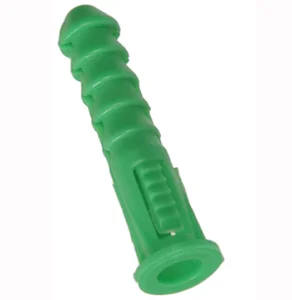
Crucial industrial insights regarding wall drilling, undercut anchor calculations, and site installation rules
 Booka Tool