An authoritative analysis of high-end hand tool engineering, supply chain dynamics, and global B2B procurement standards.
In the global industrial sector, the quality and reliability of hand tools are critical parameters that directly impact operational efficiency, safety, and project success. Among these, pliers and cutters are fundamental instruments utilized across a myriad of domains—from aerospace electronics and high-voltage grid maintenance to heavy construction and residential DIY installations. Understanding the structural integrity and metallurgical engineering behind professional-grade pliers is essential for B2B buyers seeking long-term resilience and minimized failure rates.
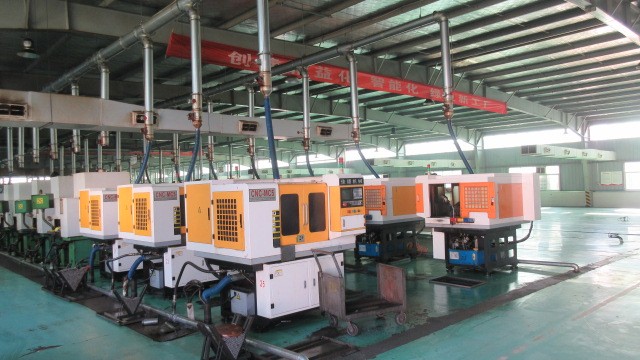
As a preeminent hub for global hardware manufacturing, China has transitioned from high-volume manufacturing to high-precision engineering. Leading Chinese manufacturers now leverage state-of-the-art CNC machining, robotic forging lines, and multi-stage induction hardening to meet international standards such as DIN (German Institute for Standardization), ISO, and ANSI (American National Standards Institute).
This whitepaper delves into the industrial advantages of partnering with an integrated manufacturer, examining the raw materials, production processes, and strategic QA controls that guarantee high-performance tool output for global distribution networks.
Why global brands and hardware distributors rely on specialized Chinese production lines for high-volume supply chains.
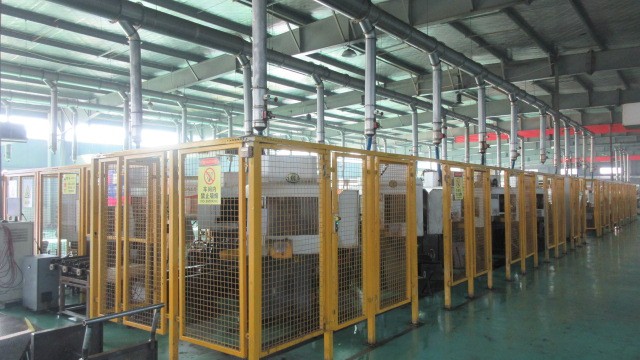
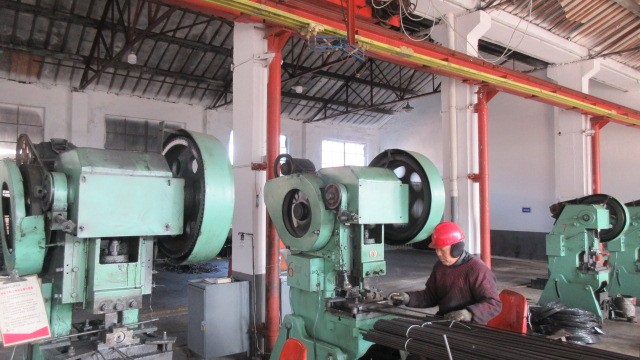
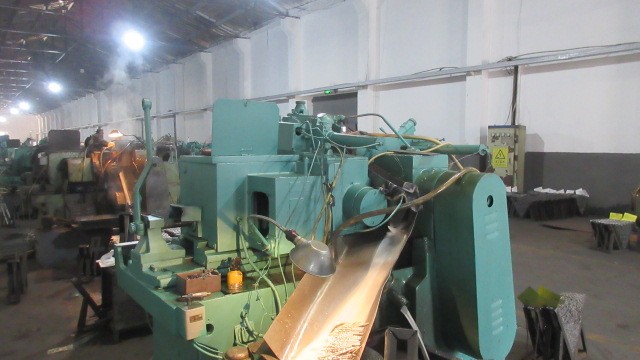
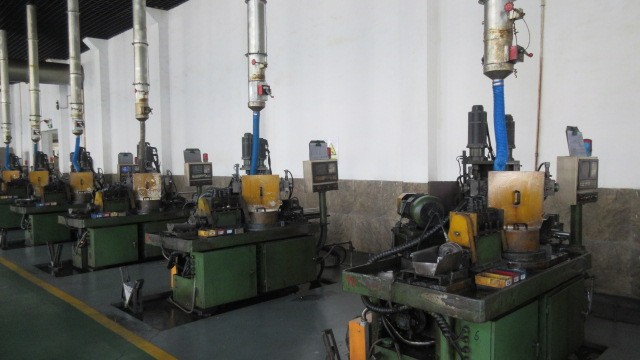
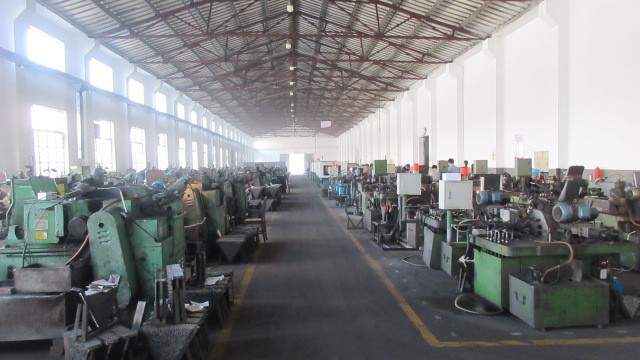
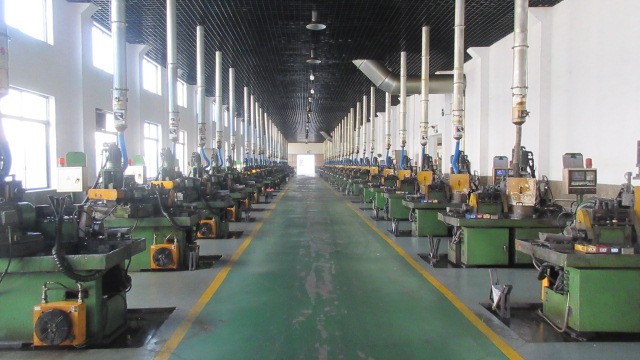
From initial hot drop-forging and high-speed milling to precision heat treatments and handle injection, our production is centralized, minimizing transportation latency and raw material overheads.
Chinese factories utilize premium-grade alloy steels optimized with vanadium and chromium to protect the core tool body against shear stress while enabling high cutting torque on heavy wire gauges.
High-volume processing capacity reduces the unit cost without sacrificing precision. OEM/ODM custom brand stamping, bespoke packaging designs, and color-coded handle systems are standard offerings.
Adapting to modern demands: lighter materials, ergonomic grips, and smart tracking integration.
Repetitive strain injuries (RSI) are a significant concern in industrial assembly contexts. Modern hand tools incorporate multi-component thermoplastic rubber (TPR) and thermoplastic elastomer (TPE) handles. These compounds are molded over the steel core using high-pressure dual-injection technology to eliminate sliding, absorb structural vibration, and provide slip-resistant touchpoints.
The rapid expansion of electric vehicles (EV) and high-voltage grid systems has escalated the demand for insulated safety tools. Plier handles must withstand testing up to 10,000V AC under the IEC 60900 standard to guarantee a safe 1,000V working limit. Modern manufacturing employs multi-layered dip insulation and dual-color wear indicators that warn users if the protective insulation becomes compromised.
By shifting the pivot joint closer to the cutting edge, high-leverage pliers achieve up to 35% less effort required compared to conventional configurations. Computational fluid dynamics and finite element analysis (FEA) model optimal pivot placement to maximize mechanical force multiplication, allowing operators to cut heavy piano wire with minimal hand fatigue.
How specialized pliers and cutters resolve key pain points across diverse field operations.
Precision stripping, crimping, and clean cutting of copper cabling require razor-sharp wire-stripping zones built into combination pliers. Smooth, heat-treated jaw alignments prevent damage to sensitive multi-core copper wire harnesses during pulling operations.
Heavy-duty snap ring pliers and specialized lock-ring cutters ensure proper fitting of retention clips on rotating machinery shafts. These tools feature hardened insert tips crafted from high-tensile spring steel to prevent warping under mechanical pressure.
Water pump pliers featuring push-button quick adjustments enable mechanics to switch rapidly between pipe sizes. Self-locking jaw geometries grip pipes and nuts tightly, preventing slippage and protective-coating stripping.
Connecting high-performance residential DIY tool assemblies with robust commercial hardware supply chains.
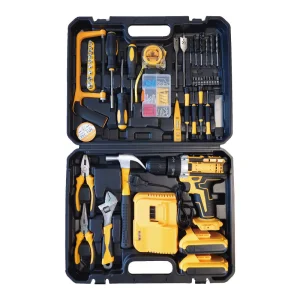
Foshan Booka Tool Co., Ltd. is a professional manufacturer specializing in home repair tools, DIY household maintenance equipment, and multi-function repair tool kits. The company focuses on providing practical, durable, and user-friendly tool solutions designed for homeowners, DIY enthusiasts, and light maintenance professionals.
Since its establishment, Booka Tool has developed from a small local workshop into a dedicated household tool manufacturer serving both domestic and international markets. In its early stage, the company mainly produced basic hand tools for home maintenance and small repair tasks. With the growing demand for DIY home improvement solutions, the company expanded its production scope and began developing multi-functional tool kits designed for a wider range of household repair scenarios.
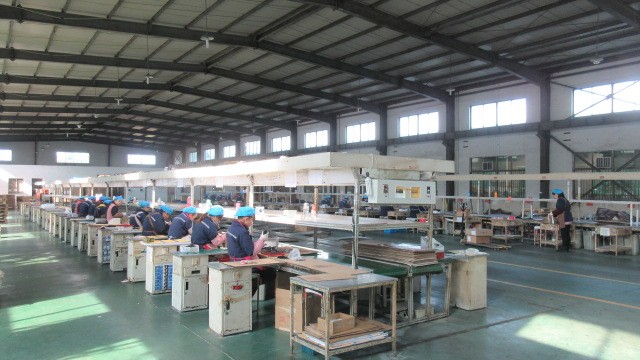
During its growth phase, Foshan Booka Tool invested in product engineering improvements, ergonomic handle design, and durable material selection to enhance user safety and efficiency. The company gradually built a complete production system including stamping, molding, assembly, and quality inspection processes to ensure consistency and reliability across all product lines.
Today, Booka Tool serves global customers including DIY retailers, hardware distributors, e-commerce platforms, and home improvement brands. Its product systems cover general home repair tools, plumbing and electrical maintenance tools, furniture assembly solutions, and emergency repair kits. With a continued focus on innovation, practicality, and cost-effectiveness, Foshan Booka Tool Co., Ltd. aims to become a trusted global supplier in the home repair tools industry, providing efficient DIY solutions that help users complete household maintenance tasks more easily and safely.


Critical quality criteria and compliance checks for enterprise buyers sourcing hand tools from China.
High-caliber procurement managers demand complete chemical tracking of metallurgical components. Each production run should verify that the raw billet contains uniform carbon, manganese, and silicon levels. Joint clearances must have less than 0.1 mm of play. Excess clearance leads to jaw wobble, which accelerates edge wear and poses a safety risk under heavy pressure.
Depending on the target market, tools require distinct anti-rust applications. Electro-plating (Chrome or Nickel) provides premium corrosion resistance and a clean aesthetic. Black-oxide coating or manganese phosphating offers high protection while eliminating specular reflection in intensely lit production lines.
Expert technical answers addressing common queries from hardware buyers, importers, and procurement specialists.
Generally, for OEM bulk orders requiring customized stamping and custom colors, the lead time ranges from 35 to 45 days. This allows for raw steel sourcing, drop-forging, precision CNC grinding, dual-injection handle molding, quality inspection, and packaging.
Chrome Vanadium (Cr-V) is the industry standard for durability and shock absorption. For high-stress applications such as heavy diagonal wire cutters, Chrome Nickel (Cr-Ni) steel is preferred to prevent edge deformation and increase torsional strength.
Each unit undergoes automated optical sorting (AOI) to measure joint tolerances, followed by manual cutting tests on specified wire sizes (such as piano wire or hard steel core wires) to verify clean cuts without blade distortion.
Yes. Tools destined for European markets comply with RoHS and REACH environmental guidelines. Insulated series are strictly certified under VDE/GS guidelines in compliance with EN/IEC 60900 safety rules.
 Booka Tool