Explore our state-of-the-art assembly tools and production line systems built to optimize material applications, processing line efficiency, and heavy-duty structural integrity.
Modern industrial engineering is undergoing a critical transition. Traditional mechanical fastening methods—such as welding, riveting, and bolting—are rapidly being replaced by advanced structural adhesives and sealants. This paradigm shift is driven by the demand for lightweight structures, uniform stress distribution, and the integration of dissimilar substrates (such as bonding aluminum to carbon fiber or glass to composite plastics).
From an engineering perspective, mechanical fasteners create localized stress concentration points, increasing susceptibility to fatigue cracking. In contrast, adhesives distribute structural loads evenly across the entire bonded surface area. This significantly enhances the fatigue life of the joint, provides inherent vibration dampening, and seals the assembly against moisture ingress—preventing galvanic corrosion between contrasting metals.
Adhesives eliminate localized mechanical stress. Load is dispersed evenly across the bonded contact zone, improving structural lifespan and safety factors.
Enables reliable bonding of dissimilar materials (e.g., metals, engineered polymers, ceramics, glass, composites) without compromising substrate integrity.
Simultaneously functions as a mechanical joint and a fluid barrier, preventing leakages, gaseous escape, and moisture-induced galvanic corrosion.
As a leading partner in custom adhesive technologies, we understand that no single chemical formulation fits all operational environments. The success of an adhesive joint depends entirely on matching the polymer chemistry with the specific surface energy of the substrate and the mechanical demand profile. Our OEM/ODM development process analyzes thermal expansions, chemical exposures, UV stress, and mechanical shear profiles to design custom formulations:
Known for exceptional elasticity, high impact resistance, and superb elongation properties. PU sealants are ideal for dynamic joints subjected to thermal cycling and structural vibrations in transport assembly.
Silane-Terminated Polyethers combine the weathering resistance of silicones with the high strength of polyurethanes. Isocyanate-free, paintable, and exhibiting high adhesion to porous and non-porous surfaces.
Providing high thermal stability (-50°C to +200°C) and superior UV radiation resistance. Essential for architectural glass bonding, facade sealing, solar panels, and outdoor electronic applications.
High-modulus structural adhesives designed for permanent load-bearing joints. Possess high shear and peel strength, offering resistant structural bonding for composite frames and automotive steel panels.
Bridging the gap between chemical adhesive formulation and mechanical application excellence.
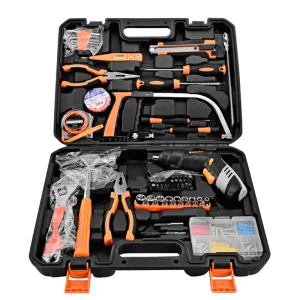
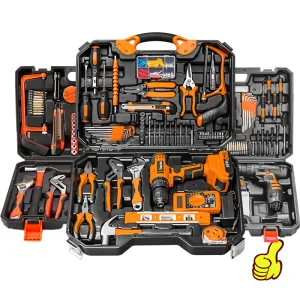
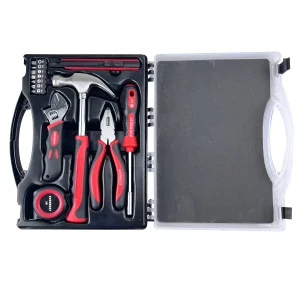
Foshan Booka Tool Co., Ltd. is a professional manufacturer specializing in home repair tools, DIY household maintenance equipment, and multi-function repair tool kits. The company focuses on providing practical, durable, and user-friendly tool solutions designed for homeowners, DIY enthusiasts, and light maintenance professionals.
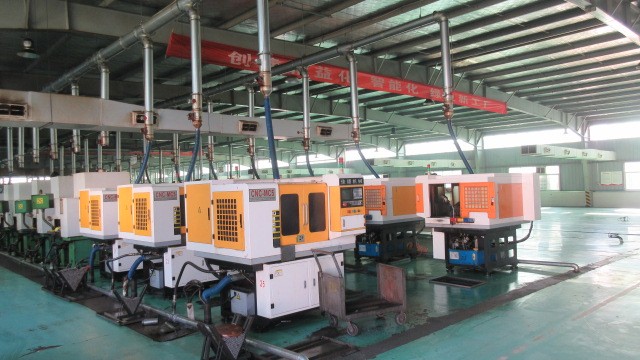
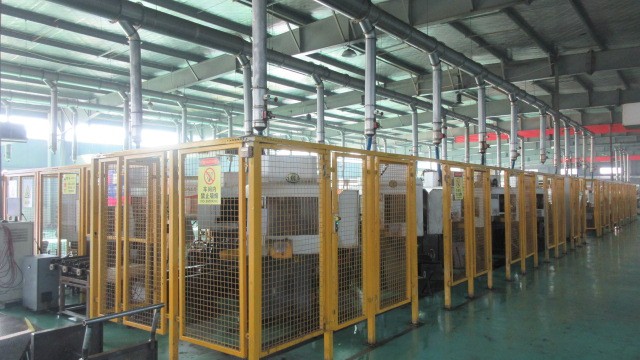
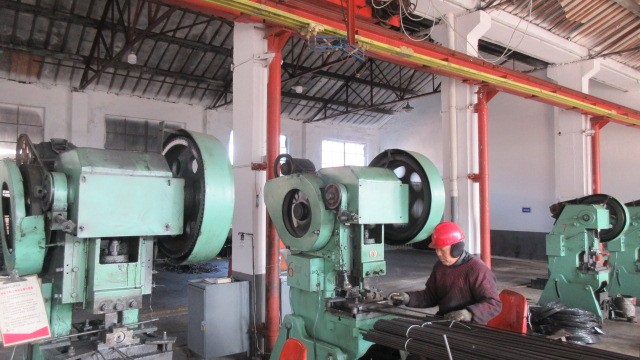
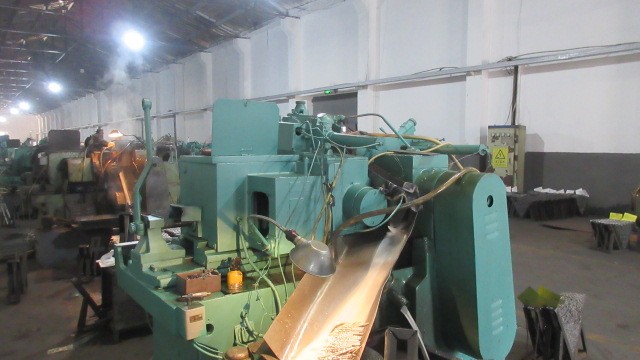
Since its establishment, Booka Tool has developed from a small local workshop into a dedicated household tool manufacturer serving both domestic and international markets. In its early stage, the company mainly produced basic hand tools for home maintenance and small repair tasks. With the growing demand for DIY home improvement solutions, the company expanded its production scope and began developing multi-functional tool kits designed for a wider range of household repair scenarios. During its growth phase, Foshan Booka Tool invested in product engineering improvements, ergonomic handle design, and durable material selection to enhance user safety and efficiency. The company gradually built a complete production system including stamping, molding, assembly, and quality inspection processes to ensure consistency and reliability across all product lines. Today, Booka Tool serves global customers including DIY retailers, hardware distributors, e-commerce platforms, and home improvement brands. Its product systems cover general home repair tools, plumbing and electrical maintenance tools, furniture assembly solutions, and emergency repair kits.
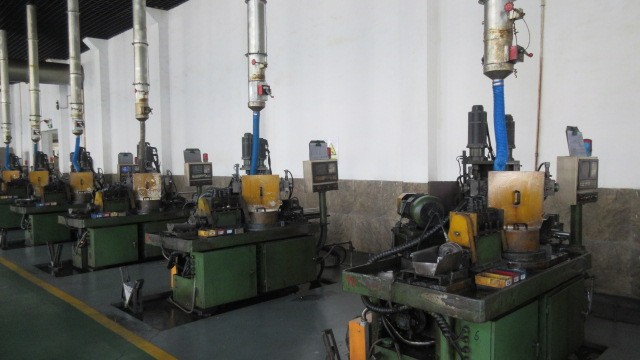
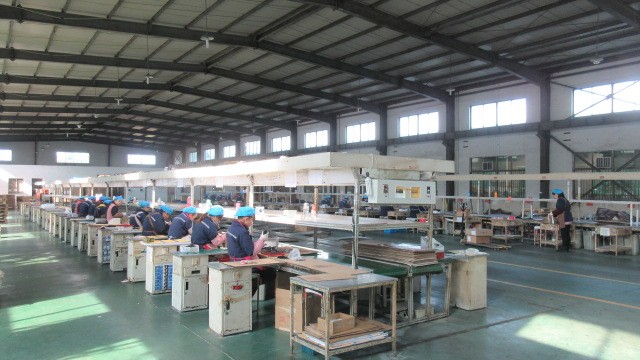
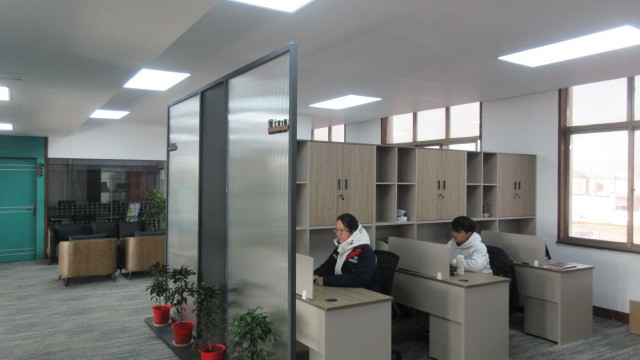
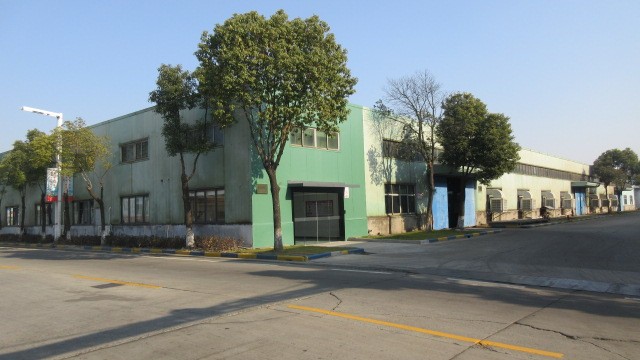
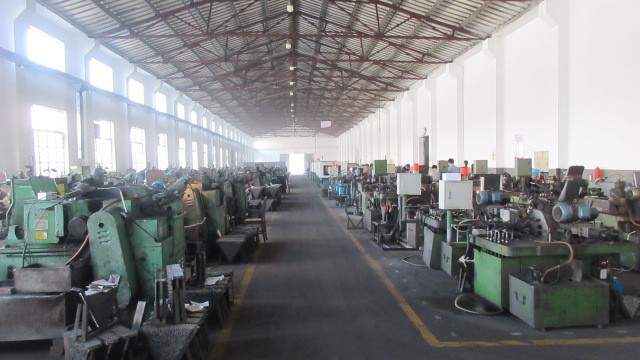
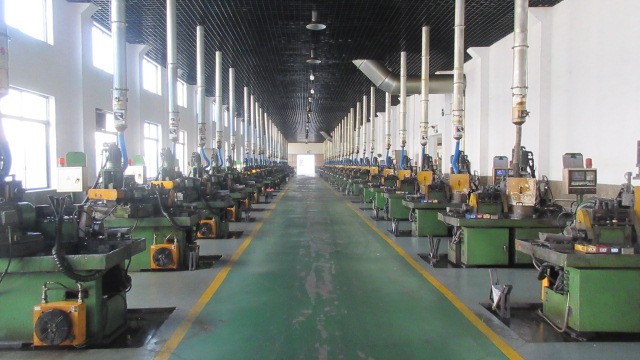
Successful adhesive applications require understanding the physical conditions of the final environment. Our customized OEM/ODM adhesives and sealants are engineered for optimal mechanical and environmental performance across diverse global sectors:
Ensuring micro-leak-free sealing in solar water heaters, geothermal heating tanks, and clean energy storage vessels. Our specialized sealants withstand continuous immersion in high-temperature pressurized water without degradation.
Wind-load resistance, acoustic isolation, and weatherproofing for architectural curtain walls. Formulated to adhere strongly to aluminum, glass, and wood while adjusting to building shifts and thermal expansion.
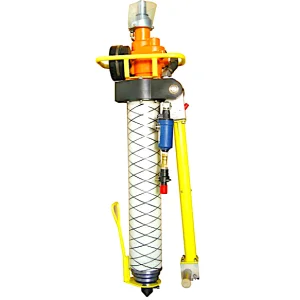
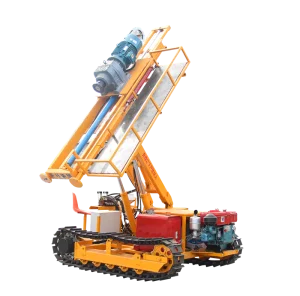
Providing high structural integrity under extreme vibrations and drilling forces. Engineered for heavy industrial equipment, concrete anchoring systems, and mining structures requiring structural bonding under mechanical stress.
In modern industrial manufacturing, environmental compliance is as crucial as chemical performance. Global sourcing directors must verify that formulations meet strict environmental regulations. Our production processes conform to ISO 9001:2015 quality standards, and we offer dedicated tracking and documentation for international compliance:
As advanced materials evolve, adhesive technologies must adapt to support sustainability and smart production systems. Our ongoing R&D initiatives focus on bringing next-generation structural bonding solutions to the market:
Developing formulations using agricultural by-products and plant-based polymers to reduce carbon footprints while maintaining industrial-grade peel and shear strength.
Engineering adhesives that maintain strength during use but clean-release when triggered by specific thermal or electromagnetic inputs, simplifying component recycling and reuse.
Developing dual-cure technologies that combine UV-light surface curing with secondary moisture-activation, allowing manufacturers to reduce cycle times on automated assembly lines.
Answers to common technical and chemical engineering questions regarding structural adhesives, surface preparation, and product shelf life.
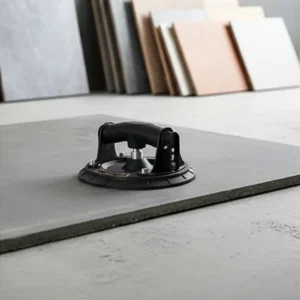
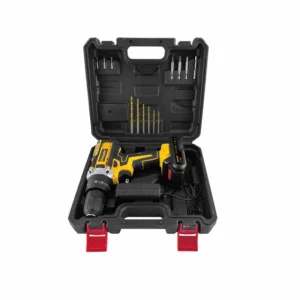
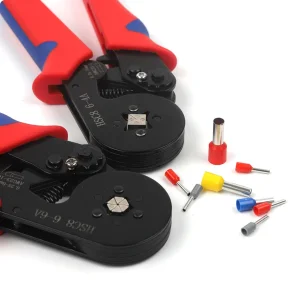
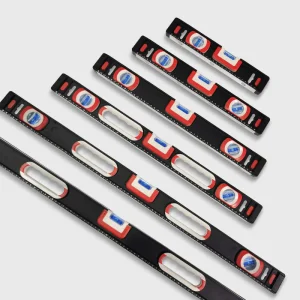
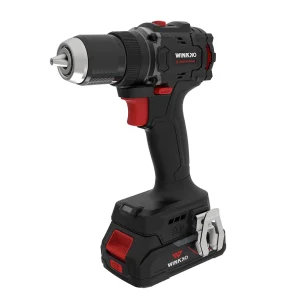
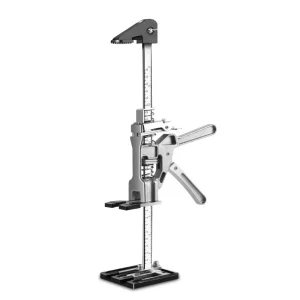
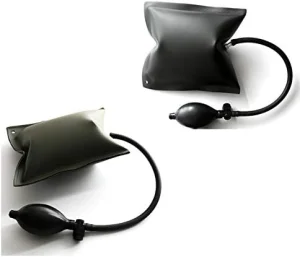
Ensure precise installation, alignment, and secure fitting with our professional-grade tooling collection, engineered to support clean, industrial assembly work.
 Booka Tool